
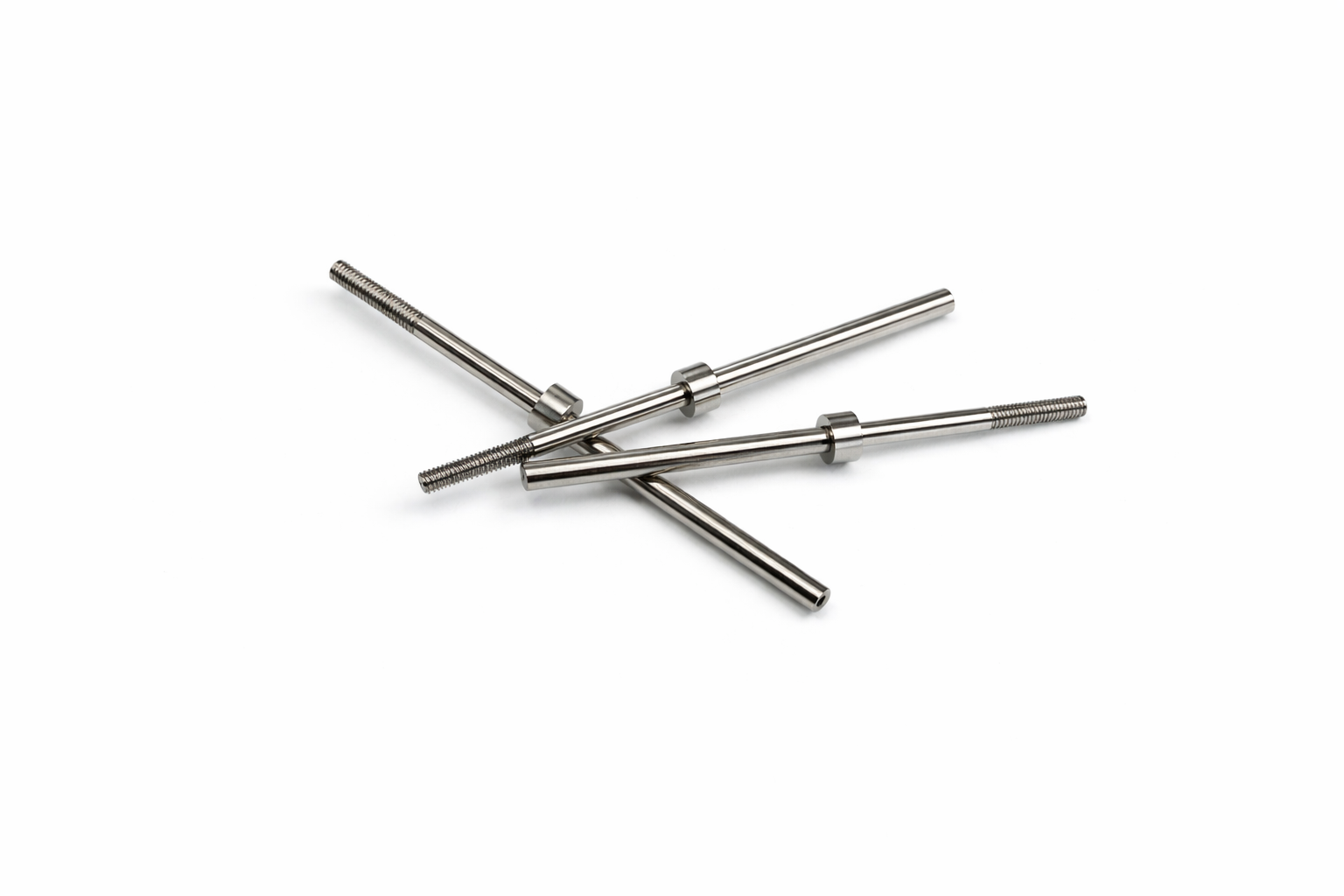
CNC 정밀 가공에서 구현되는
나사홀(Thread Hole) 및 스크류 홈(Thread Groove) 가공
정밀 기계 산업에서 나사홀(thread hole)과 스크류 홈(thread groove)은 단순한 체결 구조 이상의 의미를 가집니다. 이 두 요소는 부품 간의 위치 정렬, 하중 전달, 반복 조립 안정성, 진동 억제와 같은 핵심 기계적 성능을 결정하는 구조적 인터페이스입니다. 특히 항공우주 장비, 반도체 제조 설비, 의료용 로봇 시스템, 정밀 계측 장치와 같은 고정밀 산업에서는 나사 형상의 미세한 오차가 장비 전체의 성능에 직접적인 영향을 미칩니다. 이러한 이유로 나사 가공은 일반적인 절삭 공정이 아니라 기계 시스템의 안정성과 수명을 결정하는 기능 가공(functional machining) 영역으로 분류됩니다.
CNC 공작기계는 공구 경로, 절삭 깊이, 이송 속도, 회전 속도와 같은 주요 가공 변수를 컴퓨터 제어 방식으로 정밀하게 관리합니다. 이와 같은 자동화된 가공 환경에서는 복잡한 형상을 구현하면서도 높은 반복 정밀도를 유지할 수 있습니다. 특히 나사홀과 스크류 홈은 헬리컬 공구 경로(helical toolpath)를 기반으로 형성되며, 절삭 과정에서 발생하는 공구 편향, 열 변형, 칩 배출 문제를 동시에 관리해야만 안정적인 가공 품질을 확보할 수 있습니다.
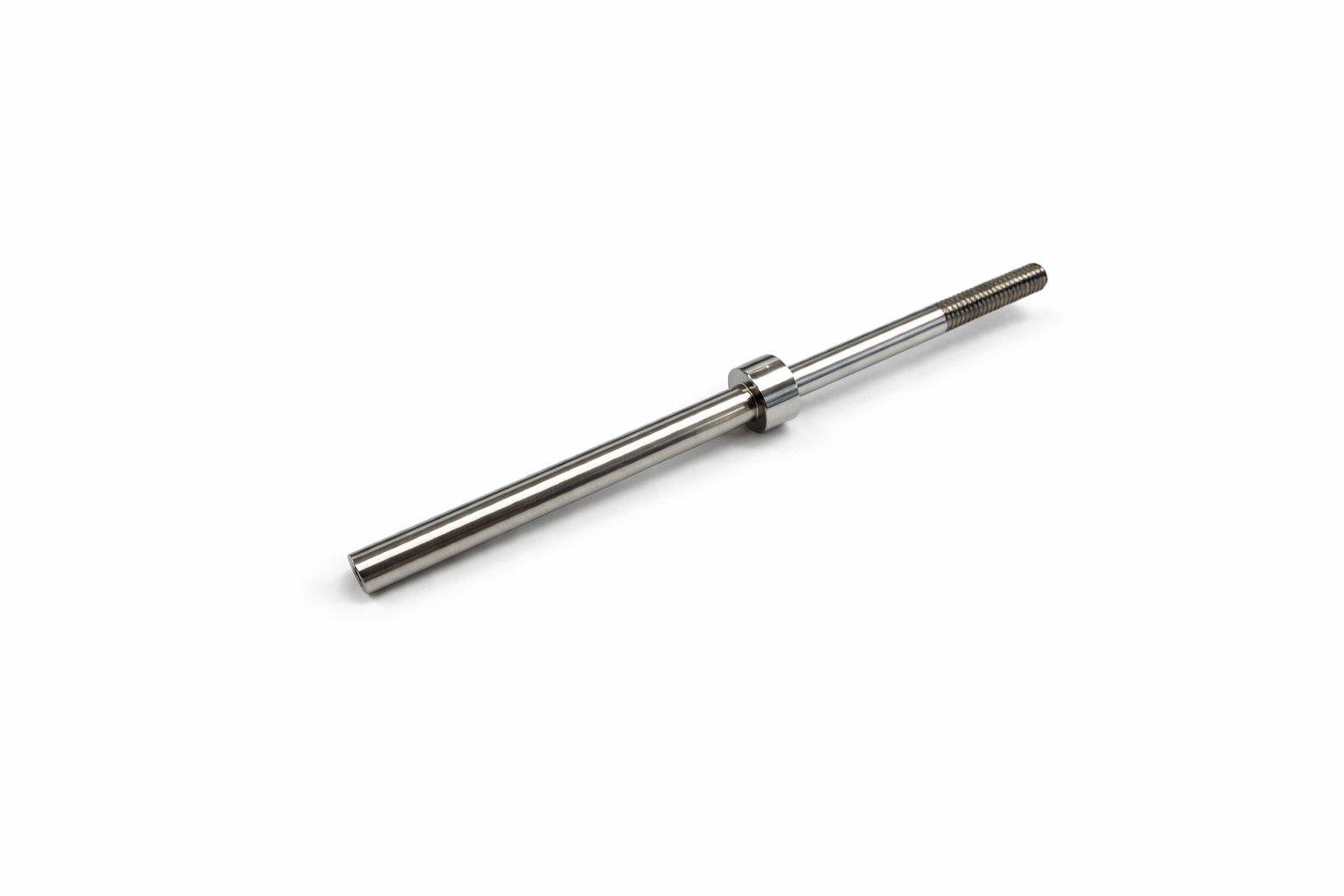
CNC 정밀 가공에서 요구되는 나사 가공 정밀도
정밀 CNC 가공 부품에서 나사 가공은 단순히 체결을 위한 형상을 만드는 공정이 아니라 기계적 결합 성능을 결정하는 핵심 가공 단계입니다. 일반 산업용 부품에서는 ±0.1 mm 수준의 공차 관리로도 충분한 경우가 많지만, 반도체 장비나 의료기기용 정밀 부품에서는 수십 마이크로미터 수준의 공차 관리가 요구됩니다.
국제 제조 규격에서는 ISO 2768과 같은 일반 공차 기준을 통해 기본적인 치수 오차 범위를 정의하고 있습니다. 금속 CNC 가공 부품의 경우 소형 치수 영역에서 약 ±0.05 mm 수준의 기본 공차가 적용되며, 기능적 정밀도가 요구되는 부품에서는 이보다 훨씬 엄격한 맞춤 공차가 설정됩니다.
초정밀 나사 가공에서는 다음과 같은 요소들이 동시에 관리됩니다.
공구의 강성과 공구 마모 상태
공작기계 구조의 열 변형 및 온도 안정성
절삭 조건(feed, speed, depth of cut)의 최적화
가공 중 발생하는 공구 편향(tool deflection) 억제
칩 배출 경로와 절삭유 흐름 관리
이러한 변수들이 안정적으로 제어될 때 나사산의 피치 오차, 직경 편차, 표면 거칠기 문제를 동시에 해결할 수 있습니다. 특히 고정밀 장비에서는 나사 형상의 미세한 편차가 체결 토크 불균형이나 진동 증폭을 유발할 수 있기 때문에 공정 관리 수준이 매우 중요합니다.
쓰레드 밀링(Thread Milling)을 활용한 정밀 나사 가공 기술
고정밀 CNC 가공에서는 전통적인 탭 가공(tapping) 방식보다 쓰레드 밀링(Thread Milling) 방식이 널리 사용됩니다. 이 방식은 회전 공구가 나선형 경로를 따라 이동하면서 나사산을 형성하는 절삭 방식으로, 단일 공구로 다양한 피치와 직경의 나사를 가공할 수 있다는 장점이 있습니다.
쓰레드 밀링 공정은 절삭 부하를 공구 전체에 분산시키기 때문에 공구 파손 위험이 낮으며, 나사산의 표면 거칠기를 매우 안정적으로 유지할 수 있습니다. 또한 나사산의 시작점과 종료 지점에서 발생하는 불완전 나사부(incomplete thread)를 최소화할 수 있어 체결 시 유격 발생을 크게 줄일 수 있습니다.
고정밀 장비용 부품에서는 나사 체결 시 유격을 최소화하기 위해 제로 백래쉬(Zero Backlash)에 가까운 체결 상태를 구현하는 것이 중요합니다. 이를 위해 공구 경로 설계 단계에서 공구의 탄성 변형을 고려한 보정 알고리즘이 적용되며, 가공 후에는 미세 보정 절삭을 통해 피치 오차를 추가적으로 조정합니다.
이러한 가공 기술은 고진공 장비나 초정밀 측정 장치와 같이 미세한 진동조차 허용되지 않는 환경에서 장비의 장기 신뢰성을 확보하는 데 중요한 역할을 합니다.
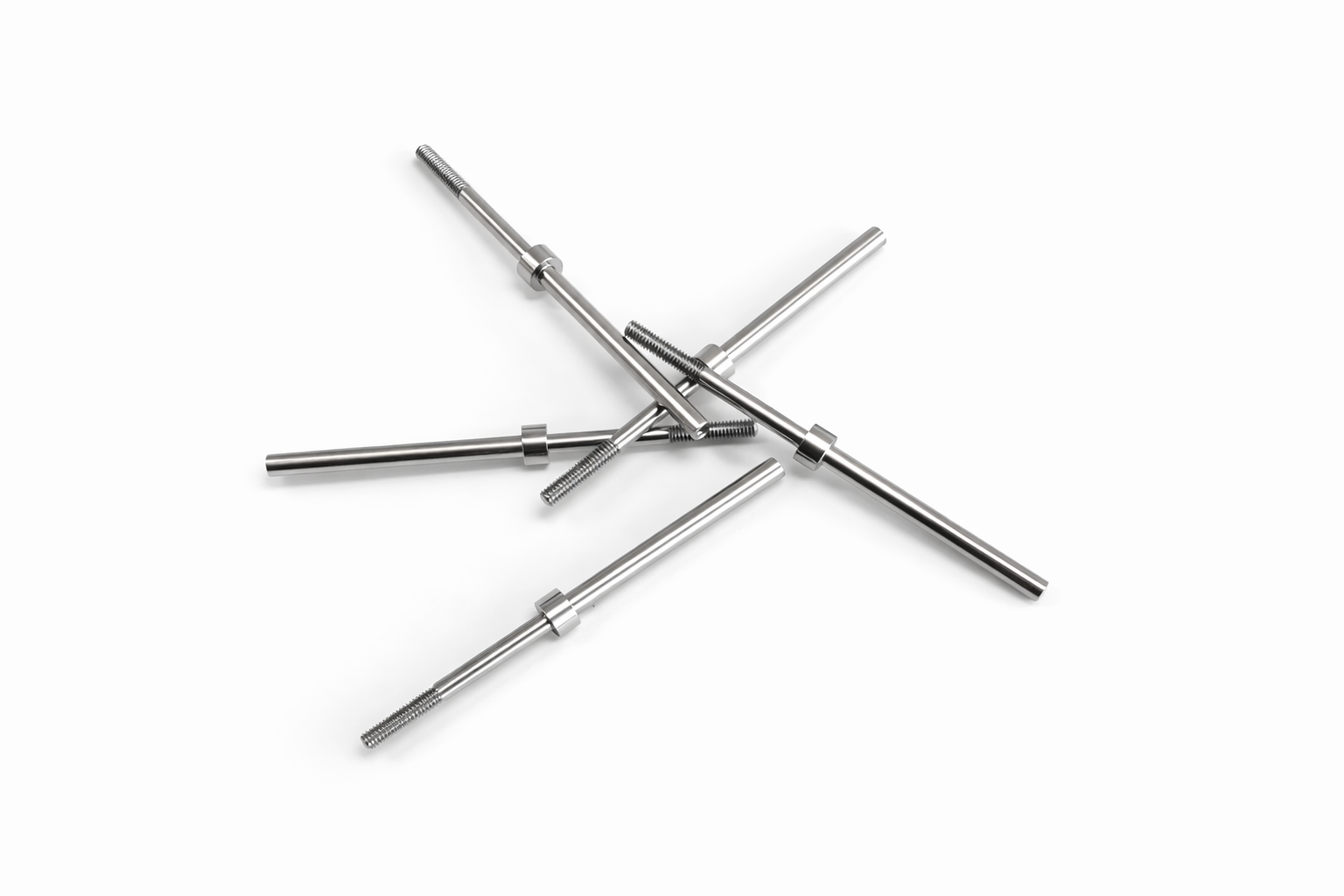
헬리컬 인터폴레이션 기반 스크류 홈 가공 기술
스크류 홈 또는 나사산(thread profile)은 기본적으로 나선형 구조를 가지며 CNC 공작기계에서는 헬리컬 인터폴레이션(Helical Interpolation) 방식으로 가공됩니다. 이 공정은 공구의 회전 운동과 동시에 축 방향 이동을 결합하여 나선형 절삭 경로를 생성하는 방식입니다.
헬리컬 인터폴레이션 가공은 다음과 같은 기술적 장점을 제공합니다.
일정한 피치 유지
나사 직경의 안정적 제어
공구에 작용하는 절삭 부하 감소
칩 배출 안정성 향상
이 공정에서는 공구 진입 각도, 반경 보정(radius compensation), 스프링 패스(spring pass)와 같은 요소가 가공 품질을 좌우합니다. 특히 스프링 패스는 절삭 후 공구가 동일 경로를 다시 따라 이동하면서 미세한 변형을 제거하는 공정으로, 나사 직경 편차를 최소화하는 데 중요한 역할을 합니다.
고정밀 CNC 부품에서는 마지막 단계에서 미세 보정 절삭을 수행하여 나사 형상을 안정화시키며, 이는 조립 시 체결 토크 편차를 줄이고 반복 조립 과정에서 발생할 수 있는 마모를 억제하는 효과가 있습니다.
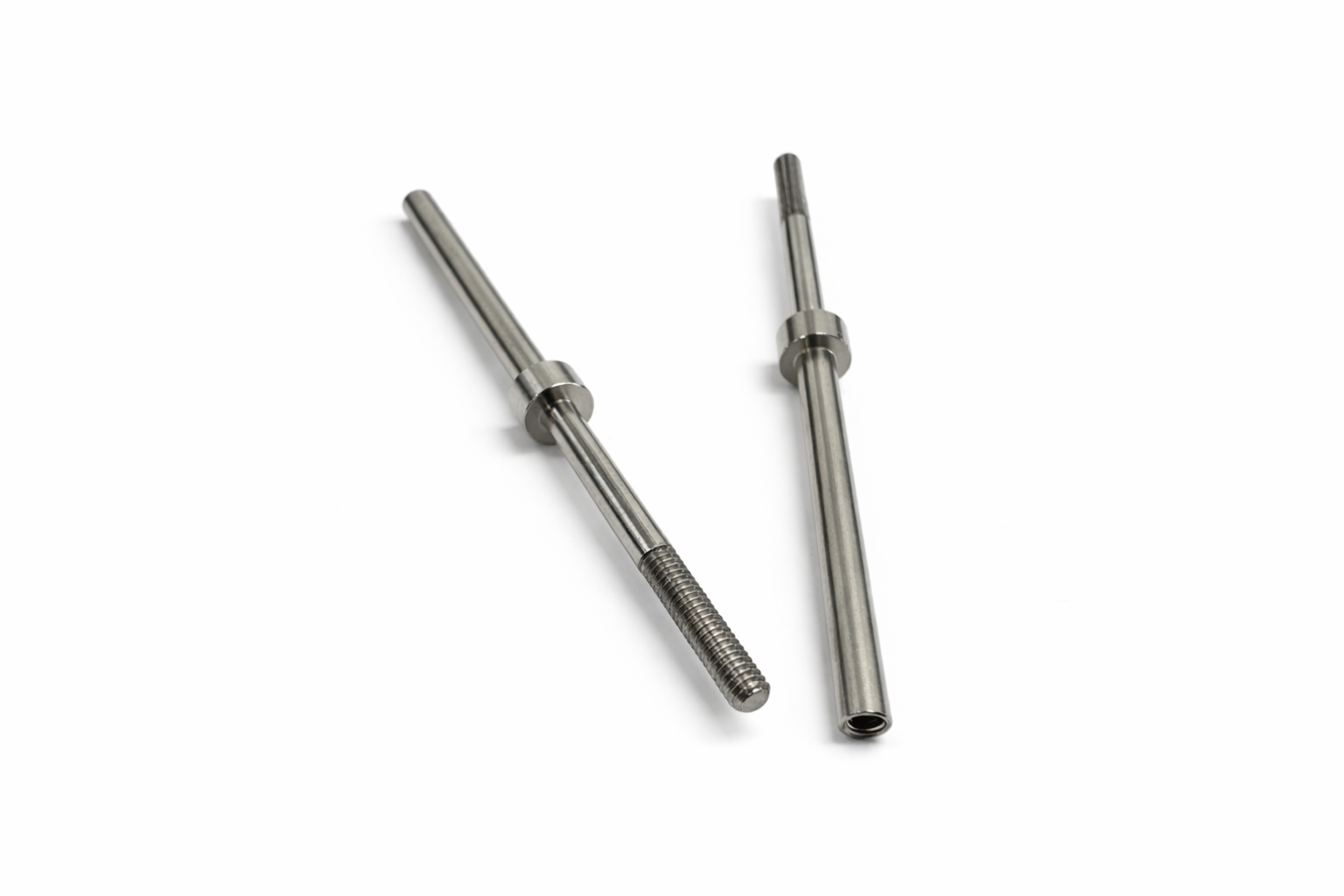
초정밀 CNC 가공에서 관리되는 주요 품질 요소
정밀 CNC 가공 부품에서 나사홀과 스크류 홈의 품질은 다양한 기계적 요소에 의해 평가됩니다. 먼저 위치 결정 정밀도는 일반 정밀 가공에서는 약 ±0.010 mm 수준이지만 초정밀 CNC 가공에서는 ±0.001 mm 이하의 정밀도가 요구됩니다. 이러한 수준의 정밀도는 누적 공차와 체결 유격을 최소화하기 위한 핵심 조건입니다.
나사산 리드 오차는 일반 가공 환경에서 약 0.05 mm 정도 발생할 수 있지만, 초정밀 가공에서는 0.005 mm 이하로 관리됩니다. 이와 같은 정밀도는 체결 시 나사산이 완전히 밀착되도록 하여 진동 발생을 억제하는 역할을 합니다.
표면 거칠기 역시 중요한 품질 요소입니다. 일반적인 CNC 가공에서는 Ra 1.6~3.2 마이크로미터 수준이지만, 초정밀 가공에서는 Ra 0.1~0.4 마이크로미터 수준까지 낮출 수 있습니다. 이러한 표면 품질은 마찰 저항을 감소시키고 나사산 마모를 줄이는 데 중요한 역할을 합니다.
또한 나사홀의 진원도와 원통도는 회전 부품의 안정적인 결합을 위해 반드시 관리되어야 합니다. 일반 가공에서는 약 0.010 mm 수준의 오차가 허용되지만, 초정밀 가공에서는 0.002 mm 이내의 형상 정밀도가 요구됩니다.
부동태화(Passivation)를 통한 표면 안정성 확보
기계적 정밀도가 확보된 후에는 부품의 화학적 안정성을 강화하기 위한 표면 처리 공정이 필요합니다. 특히 스테인리스강이나 특수 합금강 부품에서는 가공 과정에서 공구 마모 입자나 유리 철(Free Iron)이 표면에 잔류할 가능성이 있습니다.
이러한 문제를 해결하기 위해 적용되는 공정이 부동태화(Passivation) 처리입니다. 부동태화는 질산 또는 시트르산 기반 용액을 이용하여 금속 표면의 불순물을 제거하고, 크롬 산화물 중심의 보호막을 형성하는 화학 처리 공정입니다.
형성된 보호막은 매우 얇은 두께를 가지기 때문에 부품의 기계적 치수에는 영향을 주지 않으면서도 내부식성을 크게 향상시킵니다. 특히 정밀 나사홀 내부와 같이 세척이 어려운 영역까지 균일한 보호막을 형성하기 위해 초음파 세정과 정밀 침전 공정이 함께 적용됩니다.
이러한 표면 처리 기술은 염수 분무 환경이나 고온 다습한 산업 환경에서도 금속 표면의 산화 반응을 억제하여 장비의 장기적인 신뢰성을 확보하는 데 중요한 역할을 합니다.
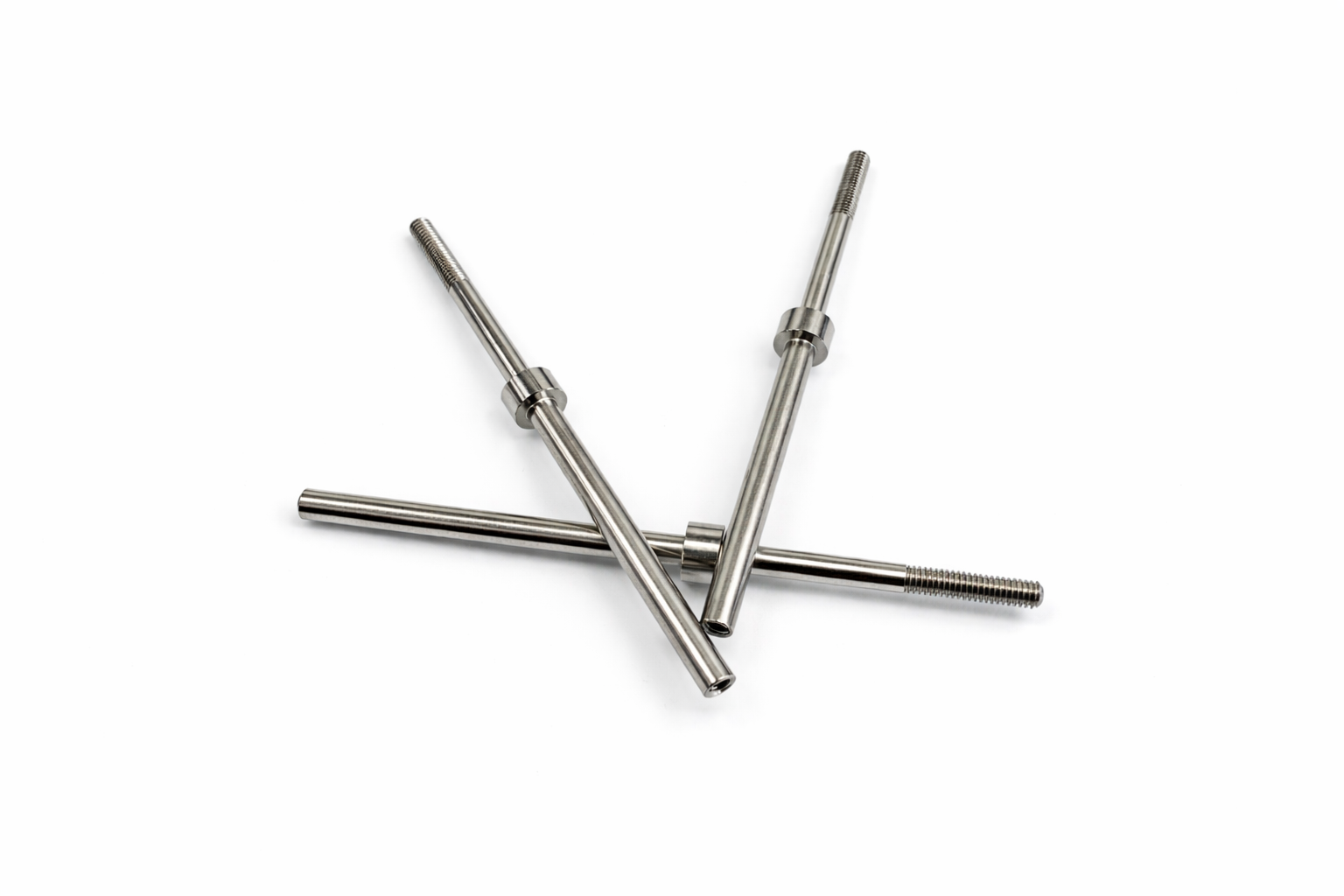
정밀 CNC 가공 부품의 산업 적용
정밀 CNC 가공 부품은 다양한 첨단 산업 분야에서 핵심적인 역할을 담당합니다. 반도체 제조 장비에서는 미세한 나사 체결 구조가 장비의 진동 특성과 위치 정확도를 좌우합니다. 항공우주 산업에서는 추진체 구조와 고압 시스템의 안정성을 유지하기 위해 고정밀 나사 가공이 필수적으로 적용됩니다.
의료용 로봇 장비나 정밀 수술 장치에서는 반복적인 동작 과정에서도 체결 유격이 발생하지 않아야 하며, 이를 위해 매우 높은 수준의 가공 정밀도가 요구됩니다. 이러한 환경에서는 단일 나사홀의 미세한 오차가 전체 시스템의 성능과 안전성에 영향을 미칠 수 있습니다.
정밀 CNC 가공 기술은 점차 고도화되고 있으며, 최근에는 공구 마모를 실시간으로 예측하는 스마트 센서 시스템과 AI 기반 공정 제어 기술이 결합되어 가공 품질을 더욱 안정적으로 유지할 수 있는 환경이 구축되고 있습니다. 이러한 기술 발전은 작업자의 숙련도에 의존하지 않고도 일관된 초고정밀 품질을 유지할 수 있도록 합니다.
결국 정밀 CNC 가공에서 나사홀과 스크류 홈은 단순한 체결 구조가 아니라 기계 시스템의 구조적 안정성과 장기 신뢰성을 설계하는 핵심 기술 요소입니다. 기계적 정밀도 확보와 표면 안정성 기술이 함께 적용될 때 고정밀 장비의 성능과 수명을 동시에 확보할 수 있으며, 이러한 기술적 축적은 글로벌 산업 환경에서 경쟁력을 결정하는 중요한 기반이 됩니다.
Precision CNC Machining of Thread Holes and Screw Grooves in Mechanical Components
In precision mechanical engineering, thread holes and screw grooves are not merely fastening features. They function as structural interfaces that determine alignment accuracy, load transfer stability, assembly repeatability, and vibration control within complex mechanical systems. In industries such as aerospace, semiconductor manufacturing equipment, medical robotics, and precision measurement instruments, even microscopic deviations in thread geometry can directly influence system performance and durability. For this reason, thread machining is considered a functional machining process that determines mechanical integrity and long-term system stability.
Modern CNC machine tools control essential machining variables such as toolpath, cutting depth, feed rate, and spindle speed through highly precise computer control. This automated environment allows manufacturers to produce complex geometries while maintaining consistent repeatability. Thread holes and screw grooves are typically generated using helical toolpaths, where rotational cutting motion is combined with axial movement. Achieving reliable results requires careful control of chip evacuation, thermal deformation, and tool deflection during the cutting process.
Required Precision for Thread Machining in CNC Components
Thread machining in precision CNC components goes beyond simple material removal. It defines the mechanical connection characteristics between parts and therefore must meet extremely tight tolerance requirements. While general industrial components may operate with dimensional tolerances around ±0.1 mm, precision equipment and medical components often require tolerances measured in tens of micrometers.
International manufacturing standards such as ISO 2768 define general tolerance ranges for CNC machining operations. In many metal components, small dimensional ranges typically allow basic tolerances of approximately ±0.05 mm. However, components that perform functional mechanical roles often demand much tighter custom tolerances.
To achieve this level of precision, several key variables must be carefully controlled throughout the machining process.
Tool rigidity and tool wear condition must be monitored continuously to maintain cutting accuracy.
Machine structure stability and thermal expansion compensation are essential for preventing dimensional drift.
Cutting parameters including feed rate, spindle speed, and depth of cut must be optimized for each material and geometry.
Tool deflection during machining must be minimized through proper tool selection and cutting strategies.
Chip evacuation and coolant flow must be managed to prevent surface damage and dimensional deviation.
When these factors are properly controlled, manufacturers can simultaneously maintain thread pitch accuracy, diameter consistency, and superior surface finish. In high-precision systems, even minor variations in thread geometry can lead to torque imbalance or vibration amplification during assembly.
Thread Milling Technology for High-Precision Thread Production
In high-precision CNC machining environments, traditional tapping methods are increasingly replaced by thread milling processes. Thread milling uses a rotating cutting tool that follows a helical path to generate thread geometry. This approach provides significant advantages in precision manufacturing.
Thread milling allows a single cutting tool to produce multiple thread sizes and pitches while maintaining consistent cutting performance. Cutting loads are distributed more evenly across the tool, reducing the risk of tool breakage and improving surface finish quality along the thread profile.
Another major advantage is the ability to control incomplete thread formation at entry and exit points. Minimizing these incomplete thread sections is critical for achieving stable bolt engagement during assembly.
Precision equipment frequently requires extremely tight engagement characteristics to avoid mechanical play. The machining objective in such applications is to approach a near Zero Backlash condition, where the threaded interface exhibits minimal clearance under operational loads.
During toolpath design, compensation algorithms are often applied to account for tool elasticity and cutting forces. These adjustments allow engineers to correct microscopic pitch deviations during machining. Such control is essential in applications such as ultra-high vacuum equipment and high-precision metrology systems where even minute vibrations can affect operational accuracy.
Screw Groove Machining Using Helical Interpolation
Thread profiles inherently follow a helical structure. CNC machine tools typically generate these geometries using a process known as helical interpolation. In this technique, rotational tool motion is synchronized with axial movement to produce a spiral cutting path that gradually forms the thread profile.
Helical interpolation offers several important advantages in precision machining environments.
It maintains consistent thread pitch along the entire length of the feature.
It allows accurate control of thread diameter.
Cutting loads on the tool are reduced compared with traditional tapping methods.
Chip evacuation is improved, reducing the likelihood of tool damage or surface defects.
Several machining variables significantly influence final thread quality when using helical interpolation. Tool entry angle determines how smoothly the cutting tool engages the workpiece. Radius compensation ensures accurate dimensional control during circular motion. Spring passes are often performed after the primary cut to eliminate minor elastic deformation and refine dimensional accuracy.
A spring pass involves repeating the toolpath without additional material removal to stabilize the geometry. This step is particularly effective in reducing minor thread diameter variations. In high-precision components, an additional micro-cutting stage is sometimes applied during the final machining pass to refine the thread profile and ensure consistent torque behavior during assembly.
Quality Factors Managed in Ultra-Precision CNC Machining
The quality of thread holes and screw grooves in precision CNC components is evaluated through multiple mechanical parameters.
Positioning accuracy is one of the most critical indicators. Conventional precision machining may achieve positional tolerances around ±0.010 mm. Ultra-precision CNC machining can reduce this value to approximately ±0.001 mm or less. This level of accuracy significantly minimizes accumulated tolerances across assembled components.
Thread lead error is another key parameter. In general machining environments, lead deviations of around 0.05 mm may occur. In ultra-precision manufacturing, the acceptable deviation is typically reduced to below 0.005 mm. Maintaining this level of control ensures uniform thread engagement during fastening operations.
Surface roughness also plays an important role in threaded connections. Standard CNC machining often produces surface roughness values between Ra 1.6 and 3.2 micrometers. Ultra-precision machining processes can reduce roughness to approximately Ra 0.1 to 0.4 micrometers, significantly improving wear resistance and reducing friction between threaded surfaces.
Geometric accuracy must also be considered. Thread holes must maintain strict roundness and cylindricity to ensure stable engagement with mating components. Conventional machining may allow roundness deviations near 0.010 mm, while ultra-precision processes maintain values closer to 0.002 mm.
These improvements in geometric and dimensional precision allow manufacturers to achieve extremely stable mechanical connections with minimal vibration and noise generation during operation.
Passivation for Surface Stability and Corrosion Resistance
After achieving mechanical precision through CNC machining, chemical stability of the component surface becomes equally important. Stainless steels and specialized alloy materials often experience surface contamination during machining due to microscopic tool particles or exposed free iron.
To address these issues, a chemical treatment known as passivation is widely applied. Passivation uses nitric or citric acid solutions to remove contaminants from the metal surface and promote the formation of a chromium-oxide protective layer.
This protective film is extremely thin and therefore does not affect the dimensional accuracy of precision components. However, it significantly enhances corrosion resistance and protects the surface from oxidation.
In complex components such as threaded holes, uniform passivation requires specialized cleaning processes. Ultrasonic cleaning and controlled immersion treatments are frequently applied to ensure that the protective layer forms evenly even in deep internal geometries.
The result is a stable chemical barrier that protects the component in harsh environments such as salt spray exposure or high-humidity industrial conditions. Passivation therefore acts as the final reliability layer that preserves the mechanical precision achieved during machining.
Industrial Applications of Precision CNC Thread Machining
Precision CNC machined components play a critical role across many advanced industries. In semiconductor manufacturing equipment, threaded interfaces often determine the vibration characteristics and positioning accuracy of sensitive process modules. Small variations in thread geometry can influence the stability of wafer handling systems.
In aerospace engineering, threaded connections are used in propulsion structures, pressure containment assemblies, and structural components where both strength and reliability are essential. These applications require extremely accurate thread profiles to maintain structural integrity under dynamic loads.
Medical robotics and surgical devices also rely heavily on precision threaded assemblies. These systems must maintain consistent mechanical engagement even after millions of motion cycles. Any looseness or backlash in threaded joints can compromise positioning accuracy or mechanical stability.
As manufacturing technologies evolve, CNC machining systems are increasingly integrated with smart factory technologies. Real-time tool monitoring sensors and predictive algorithms are now capable of estimating tool wear and adjusting machining parameters automatically. These developments allow manufacturers to maintain consistent ultra-precision quality without relying solely on operator experience.
Ultimately, thread holes and screw grooves in precision CNC machining represent far more than simple fastening features. They are critical mechanical interfaces that define structural stability, vibration behavior, and long-term reliability within advanced mechanical systems. When high-precision machining processes are combined with surface protection technologies such as passivation, manufacturers can produce components capable of maintaining performance throughout the entire lifecycle of complex industrial equipment.
추가 정보
CNC 정밀 가공 나사홀 스크류 홈 가공은 체결 구조를 형성하는 절삭 공정을 넘어, 정렬 정밀도와 하중 전달 안정성, 반복 조립 시 유격 억제까지 함께 관리하는 기능 가공에 해당합니다. 정밀 기계 부품에서는 나사산의 피치, 리드 오차, 표면 거칠기, 홀의 진원도와 원통도, 후처리 상태까지 종합적으로 검토해야 장비의 장기 신뢰성과 조립 일관성을 유지할 수 있습니다. 특히 반도체 장비, 의료기기, 항공우주 부품과 같이 미세 오차가 시스템 성능에 직접 연결되는 분야에서는 가공 조건과 측정 기준의 체계적인 관리가 중요합니다.
핵심 포인트 정리
- 나사홀과 스크류 홈은 단순 체결부가 아니라 위치 정렬과 하중 전달을 담당하는 핵심 형상입니다.
- 정밀 CNC 가공에서는 공구 강성, 공구 마모, 열 변형, 칩 배출, 절삭유 흐름을 함께 관리해야 합니다.
- 쓰레드 밀링은 다양한 피치 대응, 공구 부하 분산, 표면 품질 향상 측면에서 유리합니다.
- 헬리컬 인터폴레이션은 일정한 피치 유지와 나사 직경 제어에 적합한 가공 방식입니다.
- 스프링 패스와 미세 보정 절삭은 리드 오차와 직경 편차를 줄이는 데 효과적입니다.
- 표면 거칠기와 형상 정밀도는 체결 토크 안정성과 반복 조립 내구성에 직접 연결됩니다.
- 스테인리스 및 특수 합금 부품은 부동태화 공정을 통해 화학적 안정성을 추가로 확보할 수 있습니다.
FAQ
정밀 CNC 가공에서 나사홀 가공 정밀도가 중요한 이유는 무엇인가요?
나사홀은 부품 간 체결과 정렬을 동시에 담당하기 때문에, 홀 위치 오차나 나사산 리드 오차가 발생하면 체결 토크 불균형과 유격 증가로 이어질 수 있습니다. 정밀 장비에서는 이러한 미세 편차가 진동 특성, 반복 조립 안정성, 장비 수명에 영향을 줍니다.
탭 가공과 쓰레드 밀링은 어떤 차이가 있나요?
탭 가공은 비교적 빠르게 나사산을 형성할 수 있지만, 작은 직경이나 고경도 소재, 깊은 홀 구조에서는 공구 파손과 칩 배출 문제가 발생할 수 있습니다. 쓰레드 밀링은 공구 부하를 분산시키고 다양한 피치에 대응하기 쉬워 정밀 나사 가공에서 더 안정적인 선택이 되는 경우가 많습니다.
스크류 홈 가공에서 헬리컬 인터폴레이션은 왜 많이 사용되나요?
헬리컬 인터폴레이션은 공구의 회전 운동과 축 방향 이동을 동시에 제어하여 일정한 나사 피치를 유지하기에 적합합니다. 또한 절삭 부하를 비교적 안정적으로 분산할 수 있어, 나사 직경 편차와 표면 손상을 줄이는 데 도움이 됩니다.
정밀 나사산 품질은 어떤 항목으로 평가하나요?
일반적으로 위치 결정 정밀도, 나사산 리드 오차, 피치 일관성, 표면 거칠기, 진원도, 원통도, 체결 간극 등을 함께 검토합니다. 실제 적용 환경에서는 조립 토크 편차와 반복 체결 후의 마모 상태까지 함께 확인하는 경우도 많습니다.
공구 마모가 나사홀 가공 품질에 미치는 영향은 어느 정도인가요?
공구 마모가 진행되면 나사산 형상의 날카로움이 저하되고, 절삭 저항이 증가하면서 직경 편차와 표면 거칠기 악화가 발생할 수 있습니다. 정밀 가공에서는 공구 수명 데이터와 가공 이력 관리를 통해 공정 안정성을 유지하는 방식이 일반적입니다.
스프링 패스는 어떤 경우에 적용되나요?
스프링 패스는 본 절삭 후 동일 경로를 다시 따라가며 미세한 탄성 복원 오차를 줄이기 위한 공정입니다. 특히 고정밀 나사홀, 작은 피치, 얇은 벽 구조, 경질 소재 가공에서 형상 안정성을 높이는 보조 단계로 활용됩니다.
부동태화 공정은 모든 CNC 정밀 가공 부품에 필요한가요?
모든 부품에 일률적으로 적용되는 것은 아니지만, 스테인리스강이나 특수 합금처럼 내부식성이 중요한 소재에서는 부동태화의 필요성이 높습니다. 특히 나사홀 내부까지 균일한 표면 안정성이 요구되는 환경에서는 후처리 조건이 중요한 검토 항목이 됩니다.
정밀 CNC 가공 부품은 어떤 산업에서 주로 사용되나요?
반도체 제조 장비, 의료용 로봇, 항공우주 시스템, 정밀 계측 장비, 자동화 설비 등에서 폭넓게 사용됩니다. 이들 산업은 미세 오차가 곧 성능 편차로 이어지기 때문에, 나사홀과 스크류 홈의 정밀도 역시 중요한 설계 요소로 다뤄집니다.
관련 주제 확장 설명
정밀 체결 구조에서 피치 오차와 리드 오차의 의미
나사산의 피치와 리드 오차는 체결 시 축 방향 이동량과 접촉 상태를 결정하는 기준입니다. 오차가 누적되면 체결 토크가 일정하지 않게 나타나고, 반복 조립 시 특정 구간에 하중이 집중될 수 있습니다. 정밀 기계 부품에서는 이러한 편차를 줄이기 위해 공구 보정, 열 안정화, 측정 피드백이 함께 운영됩니다.
표면 거칠기와 체결 신뢰성의 상관관계
나사산 표면의 거칠기는 단순한 외관 품질이 아니라 마찰 특성과 마모 거동에 직접 영향을 줍니다. 표면 상태가 불안정하면 체결 과정에서 토크 편차가 커지고, 장시간 사용 시 나사산 손상 가능성도 높아질 수 있습니다. 따라서 정밀 나사 가공에서는 절삭 조건뿐 아니라 후가공과 세정 공정도 함께 검토해야 합니다.
열 변형과 공구 편향을 고려한 CNC 공정 설계
정밀 CNC 가공에서 열 변형은 미세 치수 오차를 유발하는 대표적인 변수입니다. 여기에 공구 길이, 돌출량, 소재 경도, 절삭 저항이 더해지면 공구 편향까지 발생할 수 있습니다. 정밀 가공 환경에서는 장비의 온도 안정성 확보와 공구 경로 최적화, 절삭 조건 세분화가 동시에 이루어져야 합니다.
가공 정밀도와 표면 안정성을 함께 보는 이유
기계적 정밀도만 확보되었다고 해서 부품 신뢰성이 완성되는 것은 아닙니다. 스테인리스강과 특수 합금 소재는 절삭 이후 표면 오염이나 유리 철 잔류가 남을 수 있으므로, 사용 환경에 따라 부동태화와 세정 조건이 중요해집니다. 즉, 정밀 나사홀 품질은 절삭 정확도와 화학적 표면 안정성을 함께 보아야 보다 정확하게 평가할 수 있습니다.
관련 정보와 내부 링크
정밀 체결 구조와 기능 가공에 대한 추가 기술 자료는 인사이트에서 함께 확인할 수 있습니다. 부품 적용 분야에 따라 CNC 정밀가공부품, 정밀프레스가공 부품, 구조연결용 부품, 전기접점, 케이블와이어 하네스, 브레이징 및 금속접합소재와 같은 연관 기술 영역을 함께 검토하면 부품 선택과 제조 방식 비교에 도움이 됩니다.