
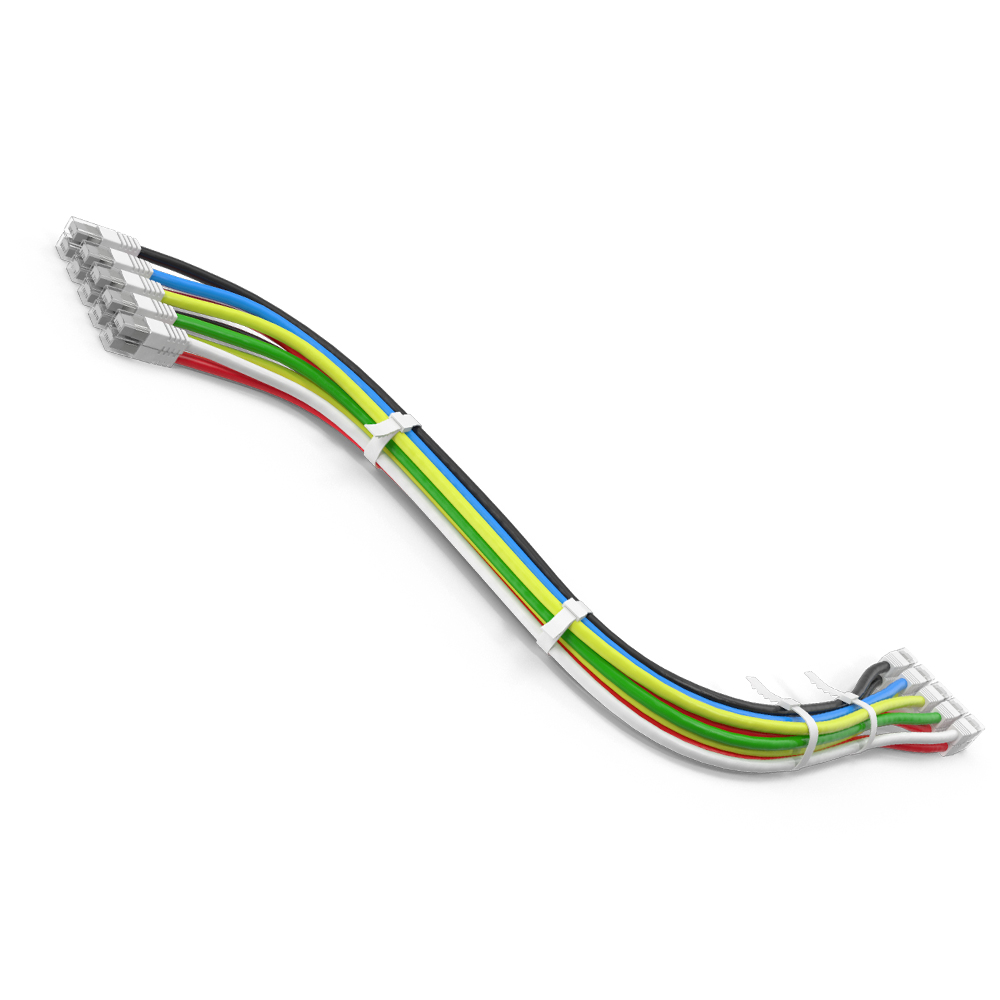
와이어 하네스 설계는 전선을 묶는 작업에 그치지 않고 전력과 신호가 진동과 열 속에서도 끊김 없이 전달되도록 전체 경로를 만드는 과정입니다.
고신뢰 와이어 하네스 설계 기준
전력과 데이터를 동시에 전달하는 와이어 하네스는 단순한 연결 부품이 아닌, 시스템 전체의 안정성과 기능 지속성을 좌우하는 핵심 인프라로 자리잡고 있습니다. 특히 전동화 및 지능화가 빠르게 진행되는 산업 환경에서는 와이어 하네스의 신뢰성이 곧 시스템의 생존성과 직결되는 요소로 평가됩니다.
와이어 하네스의 신뢰성은 단순한 내구성을 넘어, 일정 조건과 시간 동안 전기적 성능을 안정적으로 유지하면서 고장 없이 기능 요구사항을 만족하는 능력을 의미합니다. 이러한 정의는 자동차, 항공, 군용, 의료기기와 같은 미션 크리티컬 산업에서 더욱 엄격하게 적용됩니다.
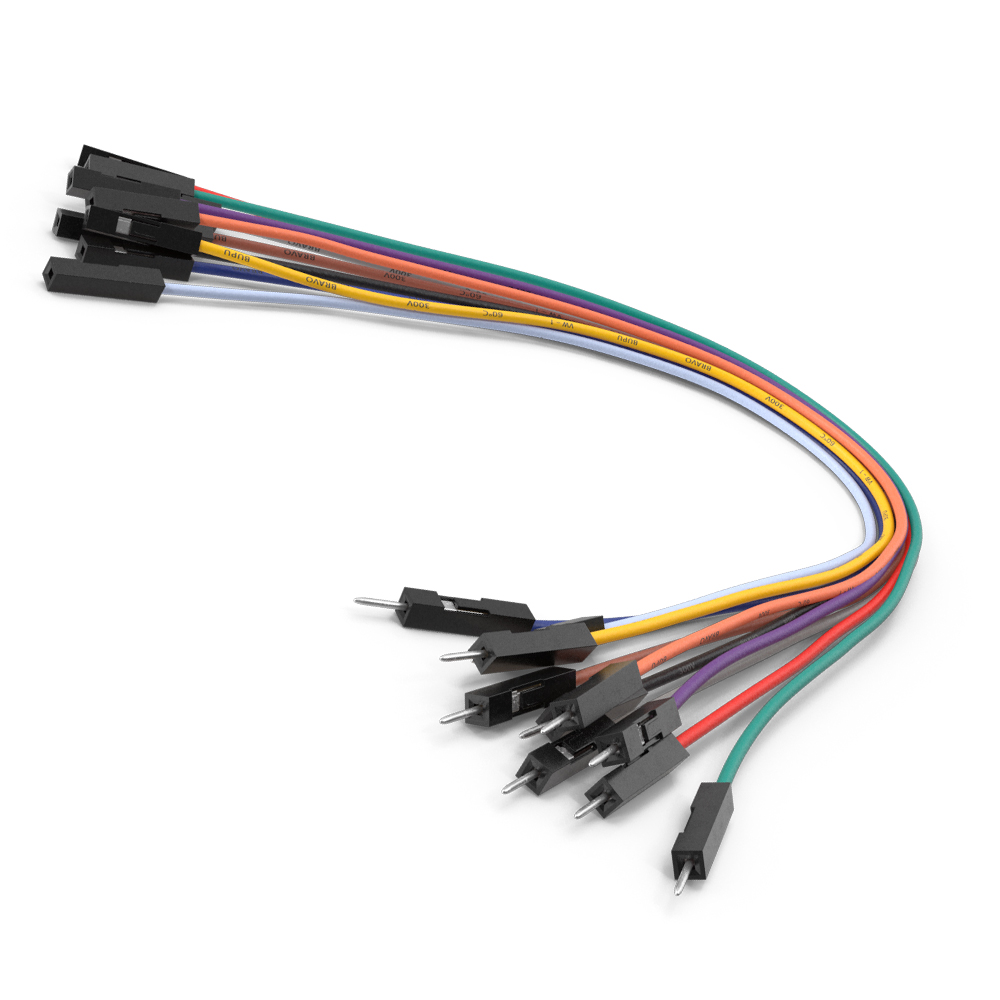
산업 환경에 따른 신뢰성 요구 조건의 차별화
오토모빌리티 및 전기차 분야에서는 고온, 진동, 습도, 전자기 간섭이 동시에 작용하는 복합 환경이 형성됩니다. 특히 전기차는 수백 볼트 이상의 고전압 시스템이 적용되면서 절연 성능과 열 안정성이 핵심 설계 요소로 작용합니다. 차량 내 다수의 회로가 상호 연결된 구조에서는 개별 회로의 안정성이 전체 시스템 신뢰성에 직접적인 영향을 미칩니다.
항공 및 군용 시스템은 극한 환경을 전제로 설계됩니다. 고고도 저압 환경, 급격한 온도 변화, 강한 진동과 충격 조건이 기본적으로 고려되며, 이 과정에서 MIL 규격 기반 커넥터와 이중화 설계가 필수적으로 적용됩니다. 해당 분야는 결함 허용도가 극히 낮기 때문에 초기 설계 단계부터 신뢰성 중심 접근이 요구됩니다.
의료기기 분야는 전기적 안정성과 더불어 인체 안전성이 동시에 요구되는 특수 영역입니다. ISO 13485 기반 품질 관리 체계 하에서 제조되며, 모든 부품은 추적성이 확보되어야 합니다. 특히 환자와 직접 접촉하는 장비에서는 생체 적합 소재 사용이 필수적으로 고려됩니다.
산업 장비 및 자동화 시스템에서는 장시간 운용과 지속적인 진동 환경이 특징입니다. 유지보수 효율성과 구조적 내구성이 중요하게 작용하며, 로봇 및 자동화 장비에서는 반복적인 굴곡에도 견딜 수 있는 유연성과 피로 내성이 요구됩니다.
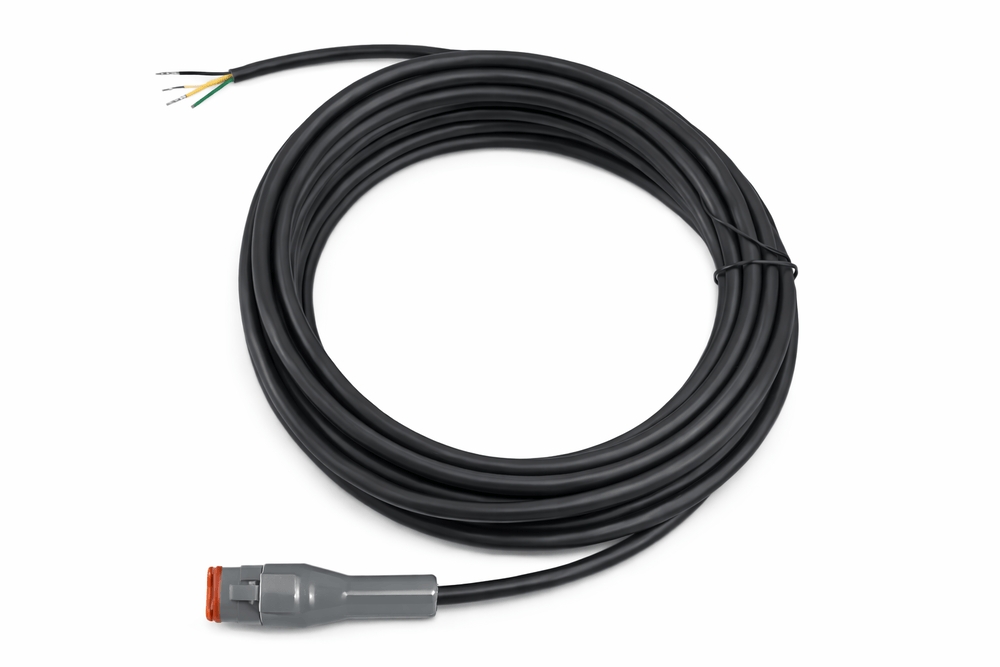
전기적 설계 안정성과 신호 무결성 확보
와이어 하네스 설계에서 가장 기본이 되는 요소는 전기적 안정성입니다. 이는 단순한 전력 전달을 넘어, 신호 품질과 시스템 간 통신 안정성을 포함하는 개념입니다. 임피던스 매칭이 제대로 이루어지지 않을 경우 신호 반사와 왜곡이 발생할 수 있으며, 이는 고속 데이터 전송 환경에서 치명적인 오류로 이어질 수 있습니다.
또한 전압과 전류 허용 범위를 초과하는 설계는 장기적인 열화와 절연 파괴를 유발할 수 있습니다. 따라서 설계 단계에서부터 전류 밀도, 온도 조건, 사용 환경을 반영한 정밀한 계산이 필요합니다.
전자기 간섭에 대한 대응 역시 중요한 요소입니다. 외부 EMI와 내부 신호 간 간섭을 최소화하기 위해 차폐 구조가 적용되며, 특히 의료 및 군용 장비에서는 신호 무결성 확보를 위한 차폐 설계가 필수적인 요소로 작용합니다.
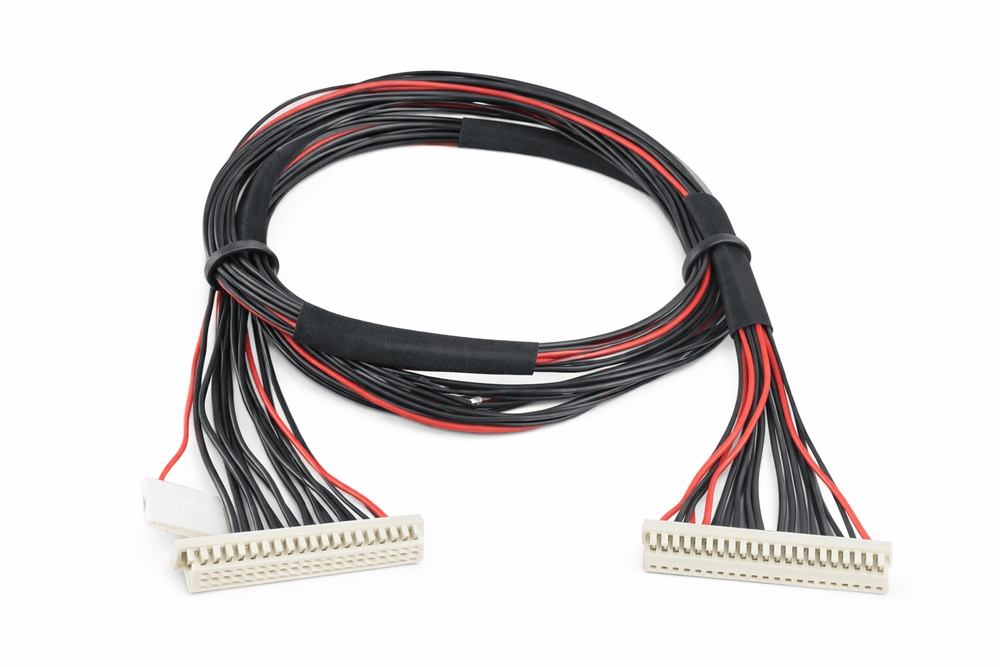
소재 공학 기반의 절연 시스템과 내환경 설계
와이어 하네스의 성능은 사용되는 절연 소재의 특성에 크게 의존합니다. 일반적인 PVC 소재는 경제성이 높지만, 고신뢰 환경에서는 한계가 존재합니다. 이에 따라 PTFE, XLPE, PUR과 같은 고성능 소재가 적용됩니다.
이러한 소재는 극저온과 고온 환경에서도 물리적 특성을 유지하며, 화학 물질에 대한 저항성 또한 우수합니다. 특히 산업 및 군용 환경에서는 연료, 유압유, 각종 화학물질에 노출되는 경우가 많기 때문에 소재 선택이 전체 수명에 직접적인 영향을 미칩니다.
습도 역시 절연 성능에 영향을 주는 주요 요인입니다. 장기간 습기에 노출될 경우 절연 저하가 발생할 수 있으며, 이를 방지하기 위해 방수 구조 설계와 함께 밀봉 기술이 적용됩니다.
기계적 구조 설계와 라우팅 최적화
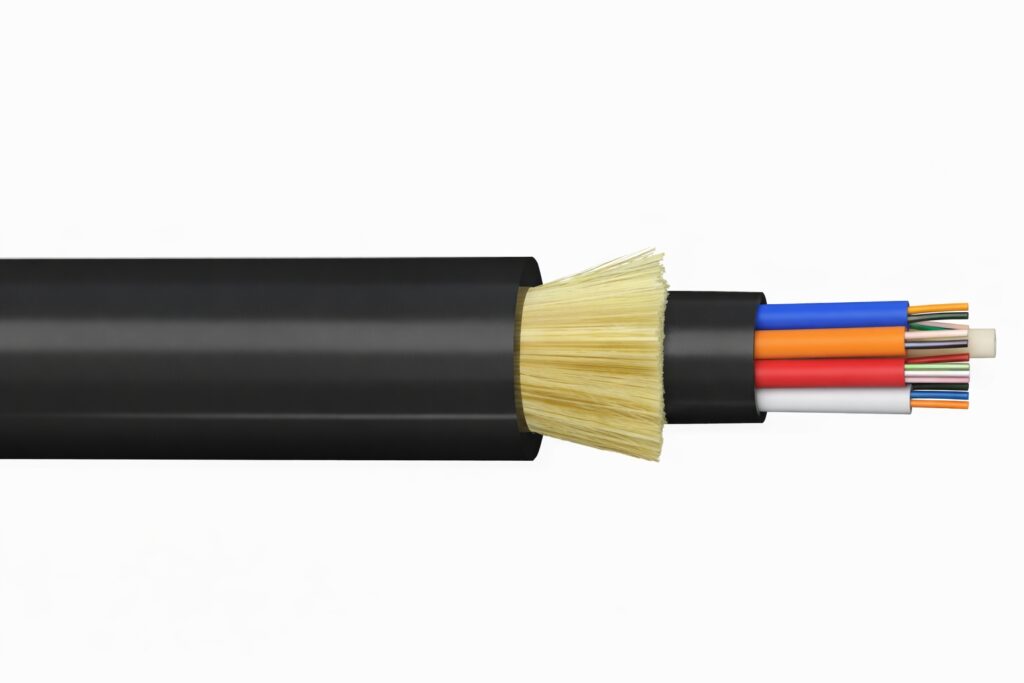
와이어 하네스는 단순히 연결되는 것이 아니라, 물리적인 구조 안에서 지속적으로 움직이고 영향을 받는 요소입니다. 따라서 기계적 설계는 신뢰성을 결정짓는 핵심 요소 중 하나입니다.
굴곡이 반복되는 구간에서는 응력 집중을 최소화하기 위한 설계가 필요하며, 마찰과 마모를 줄이기 위한 보호 구조가 적용됩니다. 또한 열원이 존재하는 환경에서는 열 영향을 최소화할 수 있도록 배선 경로를 최적화해야 합니다.
특히 로봇 및 자동화 장비에서는 반복 동작으로 인한 피로 파손이 주요 문제로 작용하기 때문에, 연선 구조를 활용한 유연성 확보가 중요합니다.
고전압 환경 대응과 열관리 기술
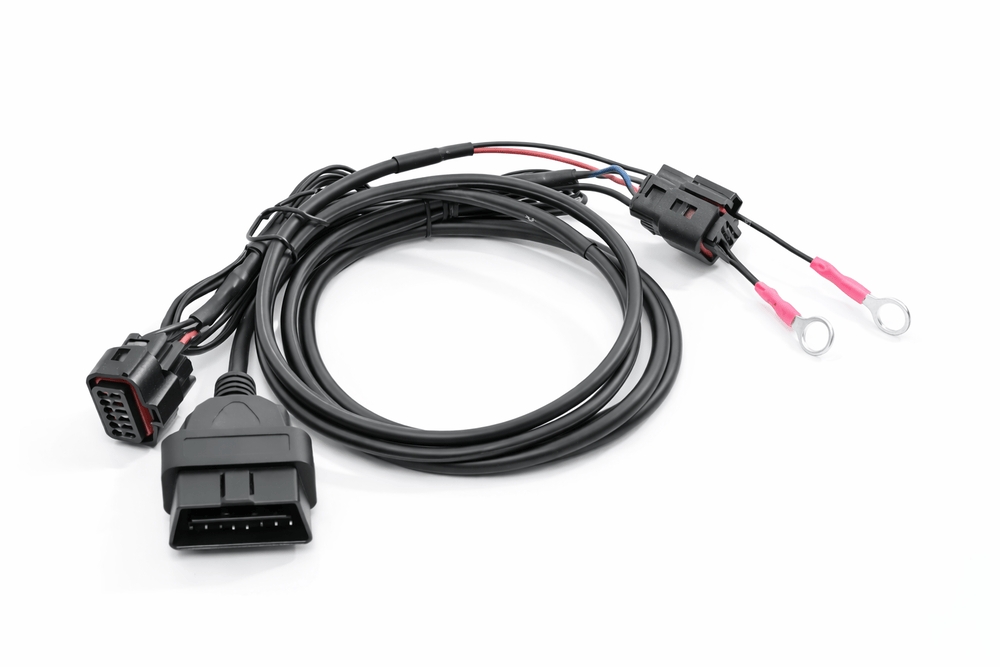
전기차 및 고전압 시스템에서는 기존과 다른 설계 접근이 필요합니다. 고전압 환경에서는 절연 파괴를 방지하기 위한 충분한 절연 두께와 구조가 확보되어야 하며, 물리적 인터록 구조를 통해 오결합을 방지해야 합니다.
대전류가 흐르는 환경에서는 줄열 발생이 불가피하며, 이를 효과적으로 제어하지 못할 경우 절연 열화 및 화재 위험으로 이어질 수 있습니다. 이를 해결하기 위해 도체 단면적 설계 시 디레이팅 기준이 적용되며, 열 방출을 고려한 구조 설계가 병행됩니다.
최근에는 열 센서를 통합하여 실시간 온도 모니터링이 가능한 스마트 하네스 기술이 적용되고 있으며, 이는 시스템 안전성을 한층 강화하는 방향으로 발전하고 있습니다.
차폐 기술과 전자기 호환성 확보
고신뢰 하네스에서는 전자기 차폐 기술이 중요한 역할을 수행합니다. 고밀도 편조 차폐와 알루미늄 포일을 결합한 구조는 외부 노이즈 차단과 내부 신호 보호를 동시에 수행합니다.
특히 차폐층의 접지 방식은 성능에 직접적인 영향을 미칩니다. 커넥터 백쉘에서 차폐층이 균일하게 접촉되지 않을 경우 고주파 노이즈 유입이 발생할 수 있습니다. 이를 방지하기 위해 360도 접지 구조와 정밀한 조립 공정이 요구됩니다.
차폐 성능은 전달 임피던스 테스트를 통해 검증되며, 이는 실제 환경에서의 노이즈 차단 능력을 수치적으로 평가하는 중요한 지표입니다.
접속부 품질과 정밀 압착 기술
와이어 하네스의 고장 대부분은 접속부에서 발생합니다. 커넥터와 전선이 결합되는 부분은 전기적, 기계적 스트레스가 집중되는 구간이기 때문입니다.
압착 품질이 불량할 경우 접촉 저항이 증가하거나, 도체 손상이 발생할 수 있습니다. 이를 방지하기 위해 압착 공정에서는 정밀한 하중 제어가 필요하며, CFM 시스템을 통해 실시간으로 품질을 모니터링합니다.
또한 초음파 용접 기술은 도체 간을 분자 단위로 결합하여 접촉 저항을 최소화하고, 진동 환경에서도 안정적인 연결을 유지할 수 있도록 합니다. 이러한 기술은 고신뢰 하네스 생산에서 필수적인 요소로 자리잡고 있습니다.
환경 대응 설계와 장기 신뢰성 확보
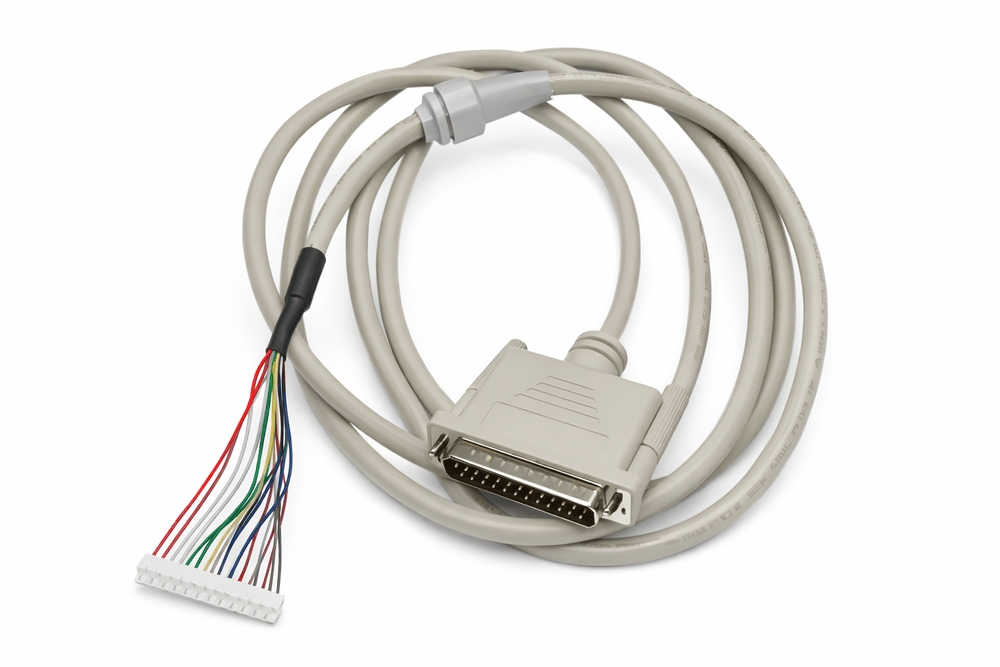
고신뢰 와이어 하네스는 반드시 사용 환경을 고려한 설계가 이루어져야 합니다. 방수 및 방진 구조는 IP 등급 기준에 따라 설계되며, 외부 환경으로부터 내부 회로를 보호하는 역할을 수행합니다.
내열 및 내한 특성은 극한 온도 환경에서도 성능을 유지하기 위한 필수 조건이며, 화학물질 저항성은 산업 환경에서의 장기 신뢰성을 보장합니다.
결국 와이어 하네스 설계는 전기, 기계, 재료, 환경 공학이 통합된 복합 기술 영역이며, 각 요소 간 균형 잡힌 설계가 이루어질 때 비로소 장기적인 안정성과 시스템 신뢰성을 동시에 확보할 수 있는 구조가 완성됩니다.
High-Reliability Wire Harness Cable Design
Design Standards for High-Reliability Wire Harness
Wire harnesses that transmit both power and data are no longer simple connection components but have become critical infrastructure that determines overall system stability and functional continuity. As electrification and intelligent systems rapidly evolve across industries, the reliability of wire harnesses directly defines system survivability.
Reliability in a wire harness goes beyond basic durability. It refers to the ability to maintain stable electrical performance over a defined period and under specific conditions, while continuously meeting functional requirements without failure. This concept is applied with greater rigor in mission-critical industries such as automotive, aerospace, military systems, and medical devices.
Differentiated Reliability Requirements by Industry Environment
In the automotive and electric vehicle sectors, multiple environmental factors such as high temperature, vibration, humidity, and electromagnetic interference interact simultaneously. In electric vehicles, high-voltage systems exceeding several hundred volts introduce additional demands on insulation performance and thermal stability. Since multiple circuits are interconnected within a vehicle, the reliability of each individual circuit directly impacts the overall system performance.
Aerospace and military systems are designed under extreme environmental assumptions. High-altitude low-pressure conditions, rapid temperature fluctuations, and severe vibration and shock are fundamental considerations. In these applications, MIL-spec connectors and redundant system architectures are standard practices. Due to extremely low fault tolerance, reliability-driven design must be established from the earliest stages of development.
Medical devices require not only electrical stability but also human safety. Manufacturing is conducted under ISO 13485-based quality systems, with strict traceability requirements for all components. In devices that directly interact with patients, the use of biocompatible materials is essential.
Industrial equipment and automation systems operate under continuous vibration and long-duration usage conditions. Structural durability and maintenance efficiency are key factors. In robotics and automation, flexibility and fatigue resistance are critical due to repetitive motion and bending cycles.
Electrical Design Stability and Signal Integrity
Electrical stability is the foundation of wire harness design. It encompasses not only power transmission but also signal quality and communication reliability between systems. Improper impedance matching can result in signal reflection and distortion, which becomes a critical issue in high-speed data transmission environments.
Exceeding voltage and current limits can accelerate thermal degradation and lead to insulation breakdown. Therefore, precise calculations considering current density, temperature conditions, and environmental factors must be integrated into the design phase.
Electromagnetic interference management is also a key requirement. Shielding structures are applied to minimize interference between external EMI and internal signals. In particular, shielding design is essential for maintaining signal integrity in medical and military applications.
Material Engineering and Insulation Systems for Environmental Resistance
The performance of a wire harness is highly dependent on the characteristics of its insulation materials. While PVC is widely used for its cost efficiency, it has limitations in high-reliability environments. As a result, advanced materials such as PTFE, XLPE, and PUR are utilized.
These materials maintain their physical properties across a wide temperature range, from extreme cold to high heat, and offer strong resistance to chemical exposure. In industrial and military environments where exposure to fuels, hydraulic fluids, and other chemicals is common, material selection directly affects service life.
Humidity is another critical factor influencing insulation performance. Long-term exposure to moisture can degrade insulation properties. To address this, waterproof design structures and sealing technologies are incorporated into the harness system.
Mechanical Design and Routing Optimization
Wire harnesses operate within physical structures where they are continuously subjected to movement and environmental influence. Mechanical design is therefore a key determinant of reliability.
In areas with repeated bending, stress concentration must be minimized through optimized design. Protective structures are implemented to reduce friction and wear. In environments with heat sources, routing paths must be carefully planned to minimize thermal impact.
In robotics and automation systems, repetitive motion introduces fatigue failure risks. The use of stranded wire structures enhances flexibility and distributes mechanical stress effectively.
High-Voltage System Design and Thermal Management
High-voltage environments, such as those found in electric vehicles, require a fundamentally different design approach. Adequate insulation thickness and structure must be ensured to prevent dielectric breakdown, and physical interlock mechanisms are integrated to prevent incorrect connections.
High current flow inevitably generates Joule heat. If not properly managed, this can accelerate insulation degradation and increase fire risk. To mitigate this, derating criteria are applied when determining conductor cross-sectional area, and thermal dissipation is considered in structural design.
Advanced systems now integrate temperature sensors within the harness to enable real-time monitoring. This evolution toward smart harness technology significantly enhances system safety.
Shielding Technology and Electromagnetic Compatibility
Electromagnetic shielding plays a critical role in high-reliability harness systems. Hybrid shielding structures combining high-density braided shielding with aluminum foil effectively block external noise while protecting internal signals.
The grounding method of the shielding layer has a direct impact on performance. If the shielding is not uniformly connected at the connector backshell, high-frequency noise can penetrate through gaps. To prevent this, 360-degree grounding structures and precision assembly processes are required.
Shielding performance is verified through transfer impedance testing, which quantitatively evaluates the effectiveness of noise suppression under real operating conditions.
Connection Quality and Precision Crimping Technology
The majority of wire harness failures occur at connection points where connectors and wires are joined. These areas experience concentrated electrical and mechanical stress.
Improper crimping can lead to increased contact resistance or conductor damage. To ensure consistency, precise load control is required during the crimping process, and CFM systems are used to monitor quality in real time.
Ultrasonic welding technology further enhances connection reliability by bonding conductors at a molecular level, minimizing contact resistance and ensuring stable electrical continuity even under vibration. This level of connection integrity is essential for high-reliability harness systems.
Environmental Protection Design and Long-Term Reliability
High-reliability wire harnesses must be designed with full consideration of their operating environment. Waterproof and dustproof structures are developed according to IP rating standards to protect internal circuits from external exposure.
Thermal resistance for both high and low temperatures is essential to maintain performance in extreme conditions. Chemical resistance ensures durability in harsh industrial environments.
Wire harness design represents an integration of electrical, mechanical, material, and environmental engineering disciplines. Only through a balanced and comprehensive approach can long-term stability and system-level reliability be simultaneously achieved.
추가 정보
고신뢰 와이어 하네스 설계는 전기적 안정성, 절연 성능, 접속부 품질, 차폐 구조, 환경 내구성을 하나의 시스템 기준으로 통합해 판단하는 기술 영역입니다. 특히 자동차, 전기차, 군용 장비, 의료기기, 산업 자동화 설비처럼 신호 오류와 전력 손실의 허용 범위가 낮은 분야에서는 설계 단계의 기준 설정이 실제 운용 안정성에 직접 연결됩니다. 본문에서 다룬 내용은 소재 선택부터 크림핑, 라우팅, EMI 대응, 열관리까지 고신뢰 하네스의 핵심 판단 요소를 폭넓게 이해하는 데 필요한 실무 관점을 정리한 구성입니다.
핵심 포인트 정리
- 와이어 하네스 신뢰성은 단순 내구성이 아니라 일정 조건에서 기능을 지속하는 전기적 안정성의 개념으로 해석됩니다.
- 고전압 시스템에서는 절연 파괴 강도, 인터록 구조, 열 발생 억제를 동시에 고려해야 합니다.
- 진동과 반복 굴곡 환경에서는 연선 구조, 보호 슬리브, 스트레인 릴리프 설계가 수명에 큰 영향을 줍니다.
- EMI/EMC 대응은 차폐 재료만으로 완성되지 않으며, 접지 방식과 백쉘 접속 품질까지 함께 설계되어야 합니다.
- 접속부는 하네스 고장의 집중 구간이므로 크림핑 하중 관리와 접촉 저항 제어가 중요합니다.
- PTFE, XLPE, PUR와 같은 절연 소재는 고온, 저온, 습도, 화학물질 환경에서 안정성 확보에 유리합니다.
- 산업별 요구 조건은 다르지만 공통적으로 전기, 기계, 재료, 환경 요소를 동시에 검토하는 구조가 필요합니다.
자주 묻는 질문
고신뢰 와이어 하네스 설계에서 가장 먼저 검토해야 할 요소는 무엇인가요?
가장 먼저 확인할 항목은 사용 전압, 전류, 온도 조건, 진동 수준, 습도, 화학 노출 여부와 같은 실제 운용 환경입니다. 이러한 기본 조건이 정리되어야 절연 소재, 도체 단면적, 차폐 구조, 커넥터 규격을 합리적으로 결정할 수 있습니다.
전기차 하네스는 일반 산업용 하네스와 어떤 차이가 있나요?
전기차 하네스는 고전압과 대전류를 동시에 다루기 때문에 절연 강도와 열관리의 중요도가 높습니다. 또한 오결합 방지 구조, 색상 식별성, 배터리 주변의 온도 상승 대응까지 포함한 설계가 필요합니다.
와이어 하네스에서 EMI 차폐는 왜 중요한가요?
EMI 차폐는 외부 노이즈 유입과 내부 신호 누설을 줄여 신호 무결성을 유지하는 역할을 합니다. 센서 신호, 통신 라인, 의료기기 제어선처럼 작은 왜곡에도 민감한 회로에서는 차폐 품질이 시스템 오작동 여부를 좌우할 수 있습니다.
크림핑 품질이 하네스 수명에 미치는 영향은 어느 정도인가요?
접속부는 전기적 저항 증가와 기계적 파손이 가장 많이 발생하는 구간입니다. 크림핑이 과도하거나 부족하면 도체 손상, 산화막 형성, 단자 이탈 가능성이 커지므로 생산 공정에서의 정밀 관리가 매우 중요합니다.
고온과 습도 환경에서는 어떤 절연 재료가 적합한가요?
환경 조건에 따라 다르지만 PTFE, XLPE, PUR 계열은 일반 PVC보다 높은 내열성과 내환경성을 확보하기에 유리합니다. 다만 실제 선정은 굴곡 조건, 화학 노출, 비용, 두께 제한까지 함께 검토해야 합니다.
군용 또는 항공용 하네스는 어떤 기준으로 설계되나요?
항공 및 군용 분야는 충격, 저압, 급격한 온도 변화에 대응해야 하므로 표준화된 고신뢰 커넥터와 이중화 개념이 많이 적용됩니다. 설계 단계부터 결함 허용 범위를 낮게 설정하고 추적성과 검증 절차를 강화하는 방향으로 접근합니다.
로봇과 자동화 장비에는 왜 고내굴곡 케이블이 필요한가요?
반복 동작이 많은 장비에서는 케이블이 지속적으로 굽혀지고 비틀리기 때문에 일반 구조로는 피로 누적을 견디기 어렵습니다. 따라서 연선 구조, 피복 유연성, 보호 구조를 포함한 고내굴곡 설계가 수명 확보에 필요합니다.
방수와 방진 성능은 와이어 하네스 설계에서 어떻게 반영되나요?
방수와 방진 성능은 커넥터 실링, 하우징 구조, 케이블 글랜드, 몰딩 처리, 조립 공차 관리와 함께 검토됩니다. 단순히 IP 등급만 확인하는 것이 아니라 실제 설치 방향과 배수 구조까지 함께 고려해야 합니다.
관련 주제 확장 설명
고전압 절연 설계와 열 축적 관리
고전압 하네스는 전류 용량만 보는 방식으로 설계하기 어렵습니다. 절연 두께, 피복 재질, 인접 부품과의 거리, 열원과의 배치 관계를 함께 검토해야 하며, 도체 단면적 산정 시 디레이팅 기준을 적용하는 것이 중요합니다. 배선 밀집 구간에서는 열 축적이 절연 열화를 가속할 수 있으므로 하우징 구조와 통기 경로도 함께 판단하는 편이 바람직합니다.
차폐 구조와 접지 품질의 실제 의미
차폐 재료를 적용했다고 해서 EMI 대응이 자동으로 완성되는 것은 아닙니다. 편조 밀도, 포일 중첩 구조, 드레인 와이어 처리, 커넥터 백쉘 접속 방식이 모두 성능에 영향을 줍니다. 특히 고주파 영역에서는 작은 틈새나 접촉 불균일도 차폐 효과를 저하시킬 수 있어 조립 품질 관리가 중요합니다.
접속부 미세 구조와 장기 신뢰성
단자와 도체가 만나는 구간은 기계적 하중과 전기적 부하가 동시에 집중되는 영역입니다. 크림핑 단면 형상, 잔류 응력, 도금 상태, 산화 억제 조건이 접촉 저항과 인장 강도에 영향을 줍니다. 하네스의 초기 성능뿐 아니라 장시간 사용 후 안정성까지 보려면 접속부 평가를 별도로 설정하는 것이 필요합니다.
산업별 요구 조건에 따른 설계 방향
자동차와 전기차는 진동, 습도, 고온, EMI를 동시에 받는 환경이 많고, 의료기기는 미세 신호 안정성과 추적성이 중요합니다. 군용 및 항공 분야는 극한 조건에서의 오작동 억제가 우선이며, 자동화 설비는 반복 굴곡과 유지보수성을 함께 봐야 합니다. 같은 와이어 하네스라도 적용 산업에 따라 설계 우선순위가 달라집니다.
함께 보면 좋은 내부 콘텐츠
와이어 하네스와 연관된 제조 공정이나 응용 부품 범위를 더 넓게 확인하려면 인사이트에서 기술 기반 콘텐츠를 함께 살펴볼 수 있습니다. 전기적 연결부 품질과 접속 안정성 관점에서는 전기접점 관련 내용을 참고할 수 있으며, 하우징이나 조립 구조와 연결되는 부품 관점에서는 cnc정밀가공부품, 정밀프레스가공 부품, 구조연결용 부품 정보를 함께 검토하는 흐름이 자연스럽습니다.
또한 실제 배선 시스템 관점에서는 케이블와이어 하네스 페이지를 통해 적용 범위를 이어서 볼 수 있고, 전도성 접합이나 금속 결합 기술이 필요한 영역은 브레이징 및 금속접합소재 관련 자료와 함께 보면 설계 이해 폭을 넓히는 데 도움이 됩니다.