
ABS 플라스틱이면 다 같을까? 써보니 난연 소재와 UL 94 V-0의 의미

원목 위에 놓인 흰색 USB 3구 멀티탭과 전원선, 플러그

SUBONY MATERIAL JOURNAL · BEYOND THE SURFACE

매일 만지는 멀티탭의 하얀 몸체. 그 안에는 모양만으로는 알 수 없는 소재 선택이 있습니다.

멀티탭을 고를 때 콘센트 수와 전선 길이는 금방 보입니다. 반면 본체가 어떤 재료로 만들어졌고, 불꽃에 노출되었을 때 어떤 특성을 갖는지는 겉모습만으로 알기 어렵습니다. 오늘은 써보니가 소개하는 난연 소재를 중심으로, 제품 설명에서 만나는 UL 94 V-0를 차근차근 읽어봅니다.

먼저 ‘화재예방 0등급’이라고 부르기 쉬운 표현부터 정리할 필요가 있습니다. 여기서 확인할 정확한 이름은 UL 94 V-0 난연 등급입니다. 숫자 0은 화재 위험이 없다는 뜻이 아닙니다. 정해진 조건에서 재료 시편의 연소 거동을 평가해 붙이는 분류입니다.

MATERIAL

ABS와 PC/ABS

무슨 재료인가를 나타내는 이름

RATING

UL 94 V-0

정해진 시험에서 확인하는 난연 등급

PRODUCT

써보니 멀티탭

소재와 구조, 전기적 보호를 함께 볼 완제품

원목 위에 놓인 흰색 USB 3구 멀티탭과 전원선, 플러그

01 · READ THE NAME

‘0등급’보다 V-0라는 전체 이름이 중요합니다

V-0에서 V는 시편을 수직으로 두는 시험 분류와 연결됩니다. V-0·V-1·V-2는 정해진 불꽃에 노출된 재료가 불꽃을 제거한 뒤 어떻게 반응하는지 등을 평가하는 등급입니다. V-0는 이 수직 시험군 안에서 V-1·V-2보다 엄격한 잔염 시간 조건을 요구합니다.

이 말은 실제 제품에 불을 붙여도 아무 변화가 없다는 뜻이 아닙니다. 난연은 연소가 계속되거나 확산되는 것을 억제하려는 특성입니다. 불이 붙지 않는다는 의미의 일상적인 ‘불연’ 표현이나, 어떤 상황에서도 화재를 막아준다는 약속과 구분해서 읽어야 합니다.

써보니 소재 이야기를 이해하는 출발점도 여기에 있습니다. ‘안전하다’는 한마디를 외우기보다, 어떤 재료에 어떤 시험 기준을 적용했는지 읽으면 제품 설명의 의미가 훨씬 또렷해집니다.
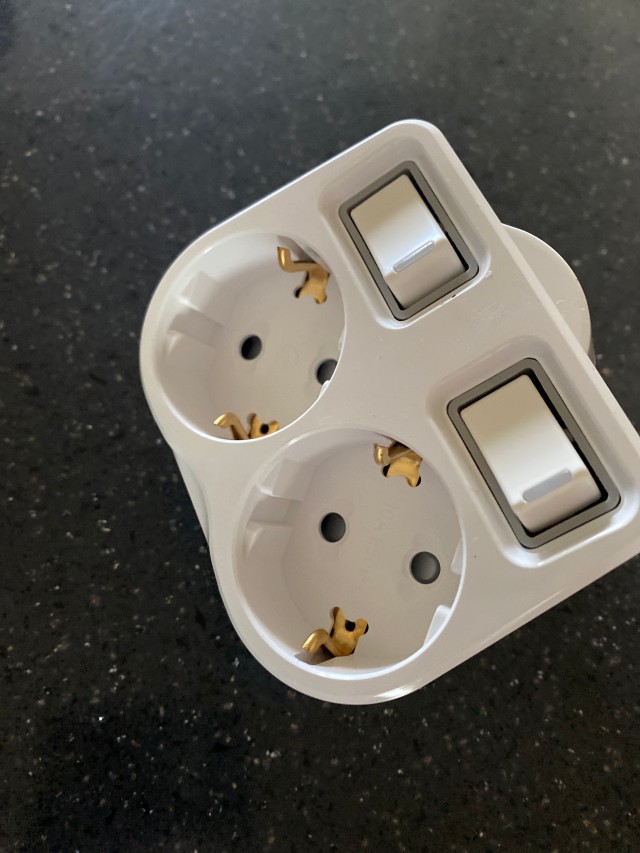
검은 조리대 위 흰색 2구 부착형 멀티탭의 소켓과 개별스위치

02 · ABS / PC–ABS

ABS라는 이름만으로 난연 성능이 정해지지는 않습니다

ABS는 아크릴로니트릴·부타디엔·스티렌 계열의 플라스틱을 가리키는 이름입니다. PC는 폴리카보네이트이며, PC/ABS는 두 계열의 재료를 배합한 소재를 뜻합니다. 재질 이름은 재료의 큰 분류이고, 실제 제품에 쓰는 세부 재료 등급과 배합은 그보다 구체적인 정보입니다.

같은 ABS 계열이라도 일반 용도와 난연 용도로 설계한 재료가 같지는 않습니다. PC/ABS라고 적혀 있다고 해서 어느 두께에서든 자동으로 V-0가 되는 것도 아닙니다. 재료의 정확한 등급, 시험 조건, 적용 두께를 함께 봐야 합니다.

써보니 공식 브랜드 소개에는 PC/ABS 난연 소재와 V-0 등급이 안내되어 있습니다. 따라서 이를 ‘모든 ABS 플라스틱은 0등급’이라고 바꾸어 설명하지 않는 것이 정확합니다. 개별 모델에 적용되는 소재 정보는 해당 제품 안내와 연결해 확인하는 것이 좋습니다.
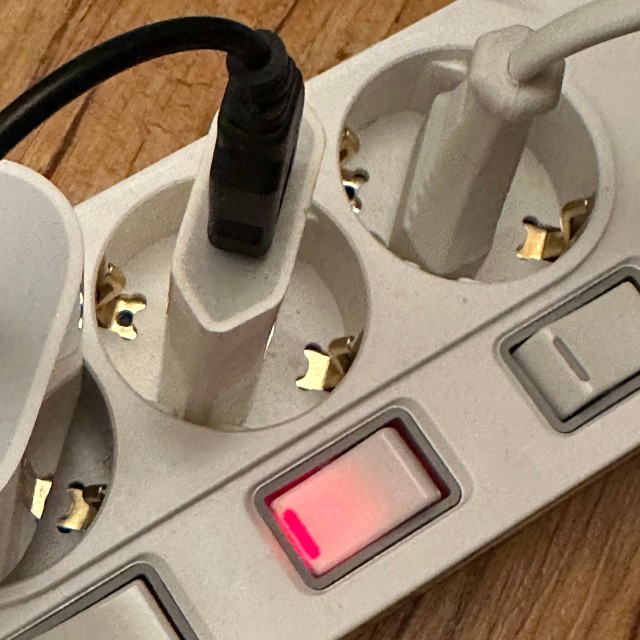
플러그가 꽂힌 멀티탭의 소켓 주변 몸체와 켜진 개별스위치

03 · WATCH IN THREE DIMENSIONS

핵심은 불꽃을 뗀 ‘다음’을 보는 것입니다

난연 시험을 떠올리면 불꽃이 닿는 장면부터 생각하기 쉽습니다. 하지만 중요한 관찰은 시험 불꽃을 제거한 뒤에도 이어집니다. 시편에 불꽃이 얼마나 남는지, 불꽃 없는 붉은 잔광이 이어지는지, 떨어지는 물질이 아래의 면솜에 불을 붙이는지 등을 살핍니다.

아래 3D에서 관찰 단계를 바꾸어 보세요. ‘시편 보기’에서는 재료와 시험의 대상을, ‘불꽃 노출’에서는 외부에서 가해지는 불꽃을, ‘제거 후 관찰’에서는 그 불꽃이 사라진 다음의 변화를 구분할 수 있습니다. 특정 제품의 실측 결과 대신 시험의 관찰 개념을 보여주는 모형입니다.

MATERIAL INSIGHT / INTERACTIVE 3D

불꽃이 사라진 다음을 관찰하다

UL 94 수직시험의 관찰 개념 · 실제 제품의 시험 결과가 아닌 설명 모형

3D 모형을 불러오는 중입니다.
수직 시편 · 아래 면솜
외부 시험 불꽃시편의 잔염·잔광

좌우로 드래그해 회전 · 확대/축소 버튼 · 단계 선택 시 해당 장면에서 관찰

01 · 재료 시편과 관찰 위치

수직 시편, 위쪽 고정부, 아래 면솜을 구분해 보세요. 이 모형은 불꽃을 가하고 제거하는 관찰의 한 구간을 보여줍니다.

04 · WHAT V-0 CHECKS

10초라는 숫자 하나로 합격을 판단하지 않습니다

V-0에는 여러 조건이 함께 적용됩니다. 각 불꽃 적용 후의 잔염 시간뿐 아니라, 여러 시편에 걸친 합계와 두 번째 적용 후의 잔광까지 살핍니다. 아래는 UL 94 V-0 수직 시험을 읽을 때 알아둘 주요 판정 항목입니다.

EACH APPLICATION

각 잔염 10초 이하

첫 번째와 두 번째 불꽃 적용 후 각각의 잔염 시간

TEST SET

잔염 합계 50초 이하

시험 세트의 10회 불꽃 적용에 대한 잔염 시간 합계

AFTER THE SECOND

잔염+잔광 30초 이하

각 시편의 두 번째 불꽃 적용 뒤 두 시간을 더한 값

시간과 함께 보는 두 가지

불붙은 낙하물로 아래 면솜이 점화되지 않아야 하며, 시편의 연소가 고정부까지 도달하지 않아야 합니다. 이 주요 항목들을 만족하는지 정해진 시험 절차로 평가합니다.

여기서 10초는 집 안 화재가 10초 안에 꺼진다는 약속도, 열을 가해도 되는 시간도 아닙니다. 작은 재료 시편의 시험 결과를 일상 공간 전체의 화재 결과로 옮겨 읽지 않는 것이 중요합니다.
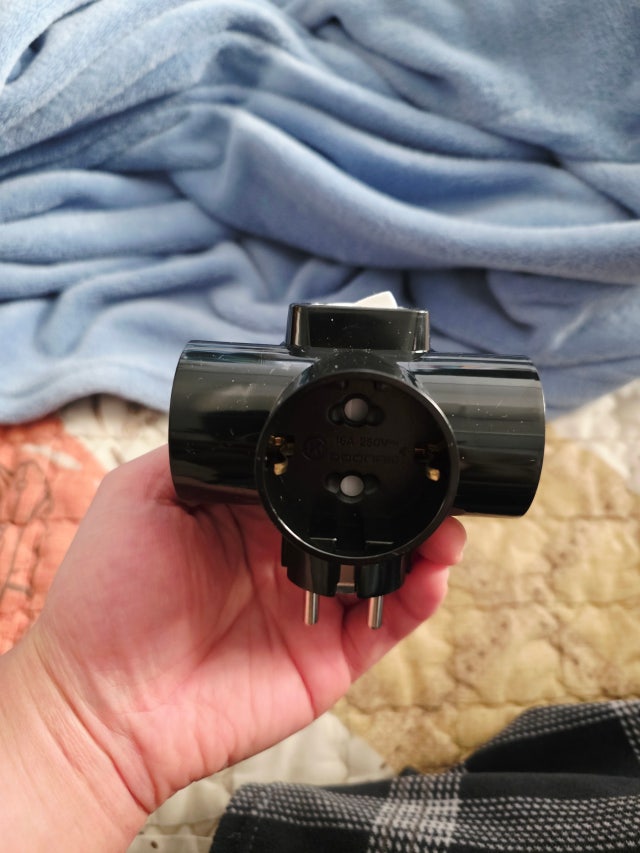
손에 든 검은색 크로버형 부착 멀티탭의 앞면과 플러그

05 · SAME LOOK, DIFFERENT INFORMATION

하얀색인지 검은색인지보다 재료 등급과 두께를 봅니다

매끈한 표면, 단단해 보이는 몸체, 밝거나 어두운 색상만으로 난연 등급을 알아낼 수는 없습니다. 겉모습은 제품을 사용하는 데 중요한 디자인 요소지만, 재료 성능을 확인하는 문서의 역할을 대신하지는 않습니다.

재료 자료에서는 정확한 제조사·재료명·등급명과 함께 적용 색상, 최소 두께 또는 인정 두께 범위가 연결됩니다. 특정 두께에서의 V-0 정보를 더 얇은 부분에 그대로 적용해서는 안 됩니다. 재료명이 비슷한 다른 등급의 자료를 가져와 같은 성능이라고 설명하는 것도 피해야 합니다.

소비자가 이 정보를 모두 외울 필요는 없습니다. 제품 설명에서 난연 등급을 강조한다면, ‘어떤 재료에 대한 등급인지’와 ‘내가 고른 모델에 적용되는 안내인지’를 확인하면 됩니다. 사진 속 제품 외형은 이런 자료 확인과 별개의 정보입니다.
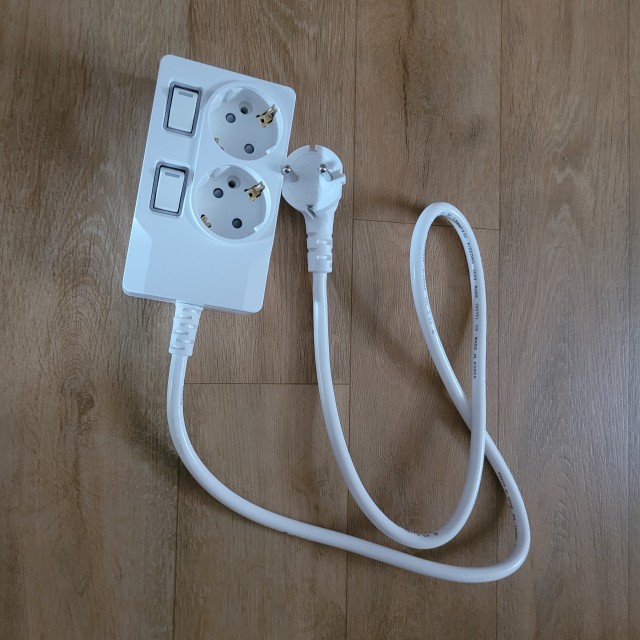
바닥 위에 놓인 2구 멀티탭의 흰색 몸체와 두 스위치, 전원 플러그

06 · A LAYER OF PROTECTION

난연 본체는 차단기와 다른 자리에서 역할을 합니다

멀티탭을 하나의 팀으로 생각하면 이해하기 쉽습니다. 금속 접점은 플러그와 전기를 연결하고, 전선은 전원을 전달하며, 본체는 부품을 지지하고 사용자가 닿는 외형을 만듭니다. 난연 소재는 그중 재료의 연소 거동을 고려한 선택입니다.

과부하 보호장치나 누전차단기는 각자의 동작 조건에 따라 전원을 끊는 전기적 장치입니다. 난연 플라스틱이 전류를 감지해 스위치를 내려주는 것은 아닙니다. 반대로 차단기가 있다는 사실만으로 본체의 난연 등급을 알 수 있는 것도 아닙니다.

그래서 소재 하나를 잘 선택했다고 연결 상태와 사용 조건을 생략할 수는 없습니다. 멀티탭 전체의 허용 범위, 플러그가 제대로 맞물리는 상태, 코드와 본체의 손상 여부를 함께 살피는 것이 제품의 특징을 제대로 활용하는 방법입니다.
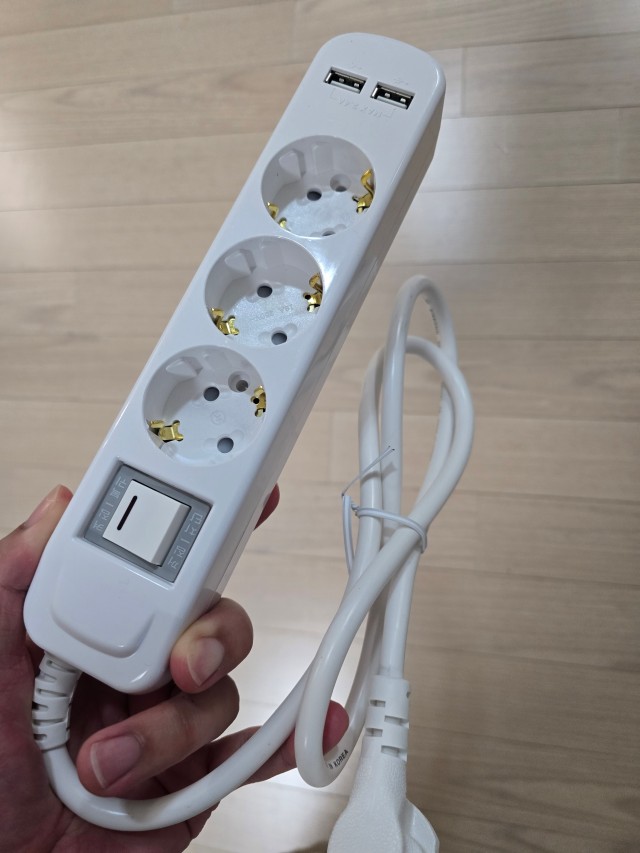
손에 든 흰색 USB 3구 통합스위치 멀티탭과 전원선

07 · THE EVERYDAY CHECK

좋은 소재를 고른 다음에는 사용 상태를 살펴봅니다

제품을 놓을 때는 몸체와 연결부가 보이고 스위치에 손이 닿는 자리를 생각해 보세요. 가구 아래에 억지로 밀어 넣어 전선을 누르거나, 주변 물건으로 제품을 빽빽하게 덮는 배치는 피하는 편이 좋습니다. 재료 등급보다 먼저 눈으로 확인할 수 있는 사용 조건입니다.

플러그가 헐겁거나, 몸체가 변형되거나, 탄 냄새·변색 같은 이상이 있으면 난연 등급을 이유로 계속 쓰지 않습니다. 사용을 중단하고 원인을 확인하며, 판단이 어렵다면 제조사에 제품 상태를 문의합니다. 손상된 본체를 접착제로 붙이거나 내부를 임의 수리해 사용하는 방법은 권하지 않습니다.

난연 여부를 확인하겠다며 집에서 라이터로 제품을 태우는 일도 하지 않습니다. 정확한 등급 확인은 제품 및 재료 자료로 해야 하며, 한 번 불꽃을 가까이 댄 장면만으로 정상 시험을 대신할 수 없습니다.
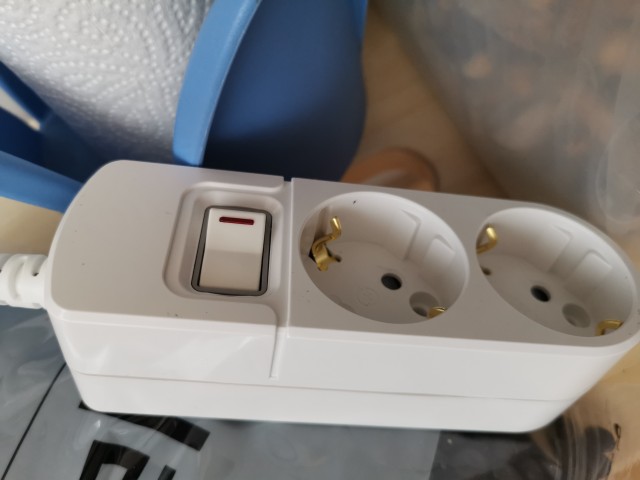
2구 통합스위치 멀티탭의 소켓 둘레와 본체 측면 이음선

08 · CHOOSE WITH UNDERSTANDING

써보니의 만듦새를 볼 때, 소재의 이름까지 읽어보세요

멀티탭의 선택 기준은 앞면에 보이는 구수에서 끝나지 않습니다. 스위치가 필요한 방식인지, 길이가 맞는지, 연결할 기기에 적합한지 확인한 다음에는 본체 소재와 제품 표시까지 시선을 넓혀볼 수 있습니다.

이번 이야기에서 기억할 것은 세 가지입니다. ABS와 PC/ABS는 재료를 부르는 이름이고, V-0는 조건이 있는 난연 분류이며, 멀티탭의 실제 사용에는 소재와 전기적 보호·연결 상태가 함께 관여합니다. 서로 다른 정보를 한 단어로 뭉뚱그리지 않으면 제품의 특징을 더 정확하게 이해할 수 있습니다.

써보니가 소개하는 PC/ABS 난연 소재도 이 맥락에서 볼 수 있습니다. 매일 만지는 몸체의 형태를 넘어, 보이지 않는 재료 선택까지 읽어보는 것. 그것이 익숙한 멀티탭을 한 단계 더 깊이 살펴보는 방법입니다.

써보니 멀티탭 3D로 비교하기

크게 보기 ↗

ENGLISH EDITION · MATERIALS THAT MATTER

Beyond the Plastic Shell: Understanding Subony’s Flame-Retardant Materials and UL 94 V-0

A material name, a flammability classification and a finished power strip tell different parts of the same story.

01 · Read the complete designation

The shape of a power strip is immediately visible. Its number of outlets, the position of its switches and the route of its cord are easy to compare. Material performance takes a different kind of attention. A smooth white enclosure cannot tell you everything about how its plastic behaves when exposed to a flame. The useful starting point is the complete designation UL 94 V-0, rather than the informal expression ‘fire prevention grade zero.’

The zero is not a claim that fire risk has disappeared. It identifies a classification within a defined vertical flammability test system. Reading it as a technical designation keeps a useful material property separate from an unlimited promise about the finished product. When choosing a power strip, ask what the description actually identifies: the material, a particular test result, or a function of the complete device. Those questions lead to a clearer understanding than a single general word such as safe.

02 · ABS, PC/ABS and the specific material grade

ABS names a family of plastics based on acrylonitrile, butadiene and styrene. PC stands for polycarbonate. PC/ABS describes a blend of these material families. These names are useful starting points, but they do not identify every detail of a commercial formulation. A particular material grade carries more specific information than the broad polymer name printed in a short product description.

General-purpose and flame-retardant grades can serve different requirements. Consequently, the presence of ABS in a material name does not automatically establish a V-0 classification. Nor should the name PC/ABS be treated as a guarantee of the same classification at every thickness. Subony’s official brand introduction describes PC/ABS flame-retardant material and V-0. That is the appropriate context for discussing the brand’s material approach. It should be connected to the documentation for the model under consideration, rather than expanded into a claim about all ABS products or every plastic part visible in a photograph.

03 · Look at what happens after the source is removed

The interactive model above separates the test specimen from the external flame source. Select the specimen view, flame-exposure view and observation view to follow the change in emphasis. The animation presents a testing concept; it is not a recording of a Subony product test or a prediction of a particular enclosure’s performance. Turning the model helps distinguish the specimen, its support and the observation area beneath it.

This distinction is central to understanding flame retardancy. Watching an external flame touch a surface is only one moment in an evaluation. The behavior after that source has been removed also matters. The terms afterflame and afterglow describe different visible effects, while material that falls from the specimen is another consideration. The controls let readers revisit those ideas at their own pace. A slower, deliberate view of the sequence is more informative than a dramatic image of a whole power strip surrounded by fire.

04 · A classification combines several observations

V-0 combines several requirements. After each flame application, an individual afterflame period must not exceed 10 seconds. Across the test set of ten applications, the total afterflame time must not exceed 50 seconds. For each specimen after the second application, afterflame plus afterglow must not exceed 30 seconds. Burning droplets must not ignite the cotton indicator below, and combustion must not reach the holding clamp. These principal criteria are evaluated together under the prescribed procedure; a single appealing demonstration cannot establish the classification.

The individual ten-second limit is especially easy to misinterpret. It is a limit used in a controlled material evaluation, not permission to expose a household product to heat for that period. It is also not a forecast that a room fire will extinguish within ten seconds. Small material specimens and a finished installation answer different questions. Keeping the test object and the actual product distinct allows the classification to remain useful without asking it to prove something outside its scope. A responsible product description makes that distinction easy for the reader to follow.

05 · Appearance does not replace material documentation

White and black housings can both look neat and robust. A photograph can show their contours, socket recesses and surface finish, but it cannot establish a flammability classification. The same applies to the impression of thickness or hardness when holding a product. Such observations describe an appearance or a handling experience, rather than the complete set of conditions behind a material rating.

Material records connect a manufacturer and grade designation with properties and applicable conditions. Color coverage and recognized thickness are particularly relevant when reading flammability information. A result for one material grade should not be transferred to another just because their polymer families sound similar. Likewise, a rating at a stated thickness should not automatically be extended to a thinner section. For a consumer, the practical question is straightforward: does the information being shown apply to the selected model and the relevant part? Clear identification is more helpful than a collection of impressive but disconnected specification terms.

06 · Material selection and electrical protection have different jobs

Think of a power strip as several parts working together. Metal contacts provide the connection to a plug. Conductors carry the supply. The enclosure supports the assembly and forms the surfaces a user sees and touches. Selecting a flame-retardant material addresses the behavior of that material under the relevant conditions. It does not turn the housing into a current-sensing device.

An overload protective device and a residual-current protective device perform electrical functions under their respective operating conditions. They should not be confused with the role of the plastic shell, nor should the presence of one protection feature be taken as evidence of every other feature. This distinction also helps when comparing products. Look at the model’s stated protection functions separately from its material information. Then consider the whole product’s permitted use and the equipment it will supply. A well-understood combination of features is more valuable than assuming that one rating takes care of every possible problem.

07 · Keep the product’s condition visible

A thoughtful location makes ordinary checks easier. Leave the body and connection points accessible, keep the controls reachable and avoid squeezing the cord behind furniture. Do not tightly surround the strip with stored items simply because its housing is described as flame-retardant. The material information and the way the product is placed are separate considerations that both deserve attention.

A loose connection, distorted body, unusual discoloration or a burnt smell should not be dismissed on the strength of a rating. Stop using a product that shows a problem and seek an appropriate assessment, including guidance from its manufacturer when necessary. Do not attempt to establish the rating by applying a lighter at home. That would damage a consumer product without reproducing a controlled material evaluation. For everyday ownership, keeping the model information available and noticing changes in condition are much more useful habits than trying to recreate a laboratory scene on a desk.

08 · Choose the complete product with a clear understanding

The familiar questions still matter: how many connections are needed, which switch arrangement suits the equipment, and what cord length fits the intended location? Material information adds another layer to those decisions. It gives the buyer a way to look beyond the outward form without treating the enclosure as the only component that matters.

Remember the three separate ideas. ABS and PC/ABS identify material families. UL 94 V-0 identifies a conditional flammability classification. A finished power strip combines material choices, mechanical construction, electrical connections and any protection functions stated for that model. Reading these elements together is a practical way to understand Subony’s presentation of flame-retardant PC/ABS. The aim is neither to judge a product by its color nor to turn a material rating into a promise of invulnerability. It is to recognize what each piece of product information contributes, and to choose and use the complete product with that understanding.

추가 정보V-0 읽는 법 · 소재 용어 · 제품 확인표 · FAQ · 관련 키워드

헷갈리기 쉬운 다섯 가지 표현

표현알려주는 내용이것만으로 알 수 없는 것
ABS플라스틱의 재료 계열세부 재료의 난연 등급
PC/ABSPC와 ABS 계열의 혼합 소재모든 두께·색상에서 같은 시험 결과인지
UL 94 V-0조건이 정해진 수직 연소 시험 분류완제품의 모든 화재 상황에 대한 결과
내열성열 환경에서의 재료 특성그 자체로 V-0인지, 전기 허용량이 얼마인지
과부하·누전 보호각 조건에 따라 전원을 차단하는 전기적 기능플라스틱의 난연 등급

소재 설명을 읽는 일곱 가지 용어

난연
연소의 지속이나 확산을 억제하도록 고려한 재료 특성. 불이 전혀 붙지 않는다는 뜻으로 확대하지 않습니다.
자기소화성
외부 점화원을 제거한 뒤 재료의 연소가 스스로 멎는 특성을 설명할 때 쓰는 말입니다. 적용 조건과 시험 결과를 함께 읽습니다.
잔염
시험 불꽃을 제거한 뒤 시편에 불꽃이 남아 타는 상태입니다.
잔광
불꽃 없이 붉게 빛나는 등의 형태로 연소가 이어지는 상태입니다. 단순히 재료가 따뜻한 것과는 구분합니다.
불붙은 낙하물
연소 중 시편에서 떨어지는 불붙은 물질. 아래 면솜의 점화 여부가 판정 항목 중 하나입니다.
재료 등급명
같은 플라스틱 계열 안에서 특정 상용 재료를 식별하는 세부 이름입니다. 제품 모델명과 구분합니다.
인정 두께·색상
재료 자료의 성능 정보가 적용되는 두께와 색상 범위입니다. 다른 조건으로 결과를 옮겨 적용하지 않습니다.

제품 설명에서 확인할 여덟 가지

  • 선택한 멀티탭의 정확한 모델명을 확인합니다.
  • ABS와 PC/ABS 등 소재 표기를 원문대로 읽습니다.
  • 난연 등급은 V-0처럼 전체 명칭으로 확인합니다.
  • 소개된 소재 정보가 해당 모델의 어느 부위에 적용되는지 확인합니다.
  • 구체적인 재료 자료가 있다면 등급명·두께·색상 조건을 함께 봅니다.
  • 스위치와 과부하·누전 보호 기능은 각각 구분해 확인합니다.
  • 제품 전체의 허용 범위와 연결 기기의 사용 조건을 확인합니다.
  • 본체·플러그·전선에 변형이나 손상이 없는지 살핍니다.

자주 묻는 질문

V-0는 화재가 나지 않는 0등급이라는 뜻인가요?

아닙니다. UL 94에서 정한 재료 시험 분류이며, 숫자 0을 화재 위험 0으로 읽으면 의미가 달라집니다.

재료의 난연 특성을 확인하는 정보로 이해하고, 완제품의 연결 상태와 사용 조건도 함께 확인합니다.

ABS라고 적혀 있으면 모두 V-0인가요?

ABS는 재료 계열의 이름입니다. 난연 용도인지와 정확한 등급은 세부 재료 자료에서 별도로 확인해야 합니다.

같은 이유로 PC/ABS라는 이름만으로 모든 제품에 같은 난연 성능을 부여할 수도 없습니다.

써보니는 ABS인가요, PC/ABS인가요?

써보니 공식 브랜드 소개는 PC/ABS 난연 소재와 V-0를 안내합니다. 이 글도 그 표기를 기준으로 설명합니다.

브랜드 소개를 모든 모델의 모든 부품이 동일 소재라는 뜻으로 넓히지 않고, 개별 제품의 적용 정보는 해당 모델 안내와 연결합니다.

V-0가 모든 난연 시험 중 가장 높은 등급인가요?

V-0는 V-0·V-1·V-2 수직 시험군에서 더 엄격한 잔염 조건을 요구합니다. UL 94에는 5VA·5VB 등 별도의 시험 분류도 있습니다.

따라서 시험 방법과 용도를 빼고 ‘모든 기준에서 무조건 최고’라고 표현하기보다, 정확한 분류 이름으로 읽는 것이 좋습니다.

난연과 내열은 같은 말인가요?

난연은 연소 거동과 연결되고, 내열은 열 환경에서의 재료 특성과 연결됩니다. 같은 질문에 대한 표현이 아닙니다.

재료가 특정 열 환경에서 형태를 유지한다는 설명만으로 V-0 여부를 판단하거나, 난연 등급으로 허용 온도를 계산하지 않습니다.

V-0라면 멀티탭이 따뜻해져도 괜찮나요?

난연 등급으로 사용 중 온도나 접촉 상태의 정상 여부를 판정할 수는 없습니다. 특히 변형·탄 냄새·변색 등 이상이 있으면 사용을 중단합니다.

반복되는 이상은 연결 기기와 제품 상태를 함께 확인해야 합니다. 난연이라는 표시가 문제를 무시해도 된다는 근거가 되지는 않습니다.

사진이나 라이터 시험으로 재질 등급을 알아낼 수 있나요?

제품의 색상과 외형만으로 난연 등급을 확인할 수 없습니다. 라이터로 태우는 임의 시험도 정해진 평가를 대신하지 못하므로 하지 않습니다.

모델 정보, 제조사 설명, 해당 재료 자료처럼 대상을 식별할 수 있는 정보를 통해 확인하는 것이 맞습니다.

소재가 좋으면 과부하차단 기능은 없어도 되나요?

두 요소의 역할이 다릅니다. 난연 소재는 재료의 연소 특성에 관한 것이고, 과부하 보호는 전기적 조건에 따른 차단 기능입니다.

한 기능을 다른 기능의 대체물로 생각하지 말고, 제품의 전체 구성과 연결할 기기의 요구 조건에 맞추어 선택합니다.

관련 키워드

써보니난연 소재UL 94 V-0ABSPC/ABS멀티탭 본체자기소화성재료 두께전기안전난연 등급Subonyflame retardantmaterial gradeafterflameplastic enclosurefire safety