
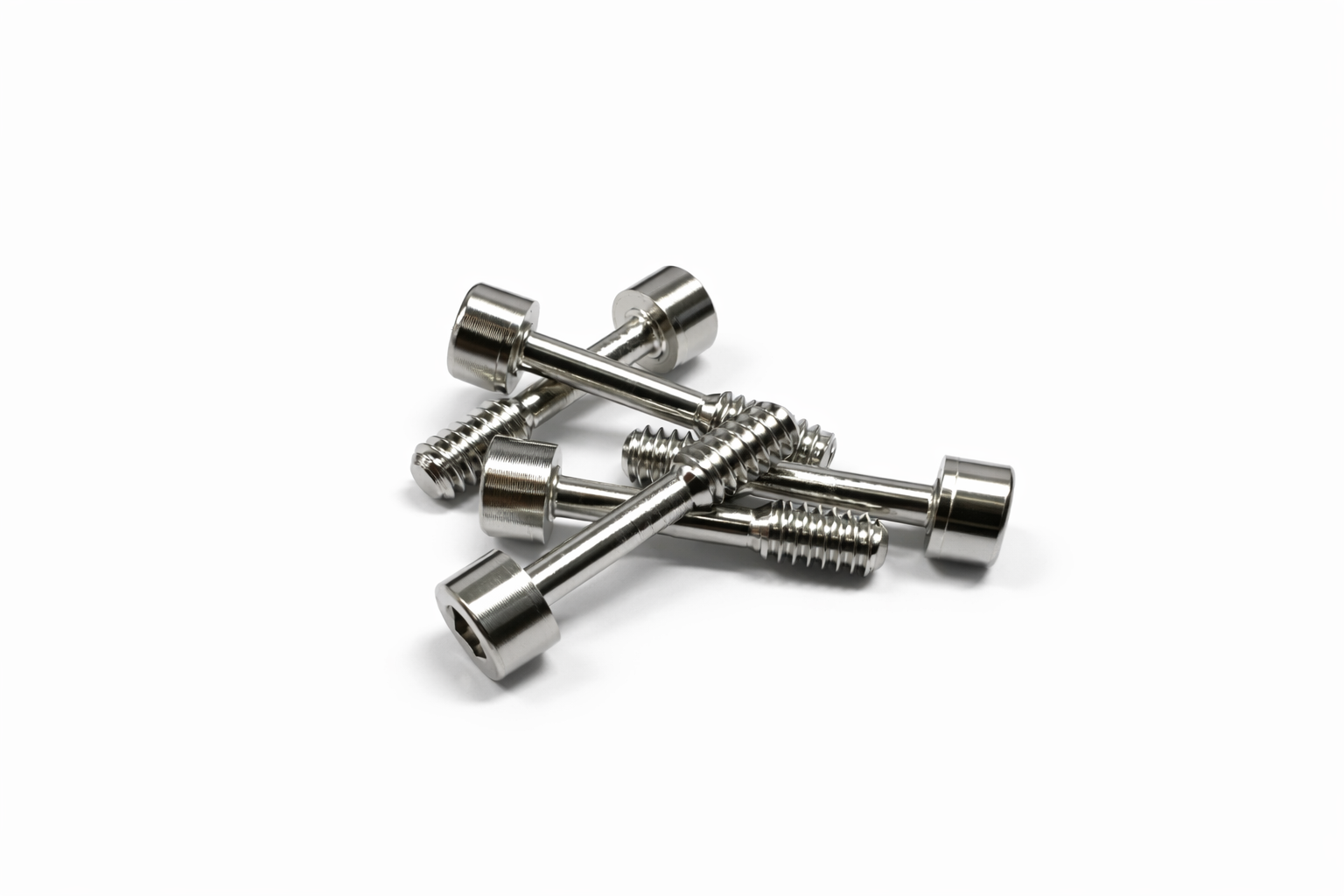
방위산업용 고정밀 선반 가공 부품의 특성과 표면 처리
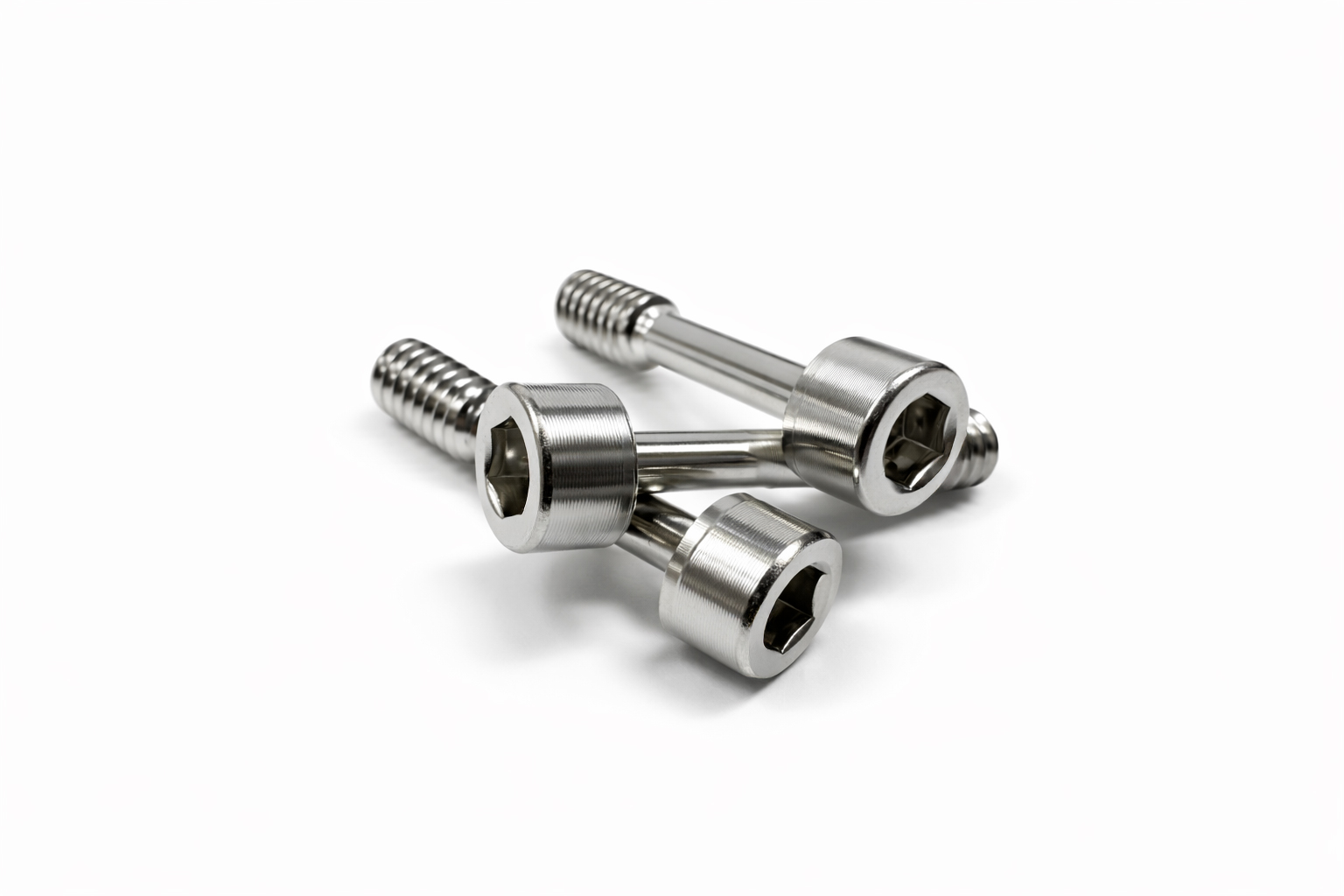
방위산업의 현대화와 정밀화가 가속화됨에 따라 무기 체계에 사용되는 개별 부품의 신뢰성은 시스템 전체의 작전 성공 가능성을 좌우하는 핵심 변수가 되었습니다. 특히 유도 무기, 항공우주 장비, 차세대 기동 장비 등에 사용되는 체결용 볼트와 정밀 부품들은 선반 가공을 통해 마이크로 단위의 공차로 제작됩니다. 이러한 고정밀 부품은 단순히 물리적인 치수를 맞추는 것을 넘어, 실제 전장 환경에서 마주하게 될 고온, 고습, 염분 및 각종 화학적 부식 인자로부터 본래의 기계적 성질을 유지해야 합니다.
일반적인 기계 부품과 달리 방산용 부품은 단 한 번의 체결 실패나 미세한 부식이 장비 전체의 기능 상실로 이어질 수 있기 때문에 가공 이후의 표면 처리 공정 선택이 매우 까다롭습니다. 정밀 선반 가공으로 구현된 미세한 나사산과 복잡한 형상을 손상시키지 않으면서도 강력한 보호막을 형성할 수 있는 기술이 요구되며, 이러한 맥락에서 **무전해 니켈 도금(Electroless Nickel Plating, ENP)**은 방위산업의 기술적 요구 사양을 충족하는 가장 진보된 솔루션 중 하나로 자리 잡고 있습니다.
무전해 니켈 도금의 자가 촉매 반응 메커니즘
무전해 니켈 도금은 외부에서 인위적인 전류를 인가하는 일반 전기 도금 방식과 달리, 도금액 내의 환원제인 차아인산나트륨(Sodium Hypophosphite)이 금속 이온과 반응하여 자가 촉매적으로 니켈-인(Ni-P) 합금층을 석출시키는 화학적 방식입니다. 이 기술의 가장 큰 장점은 도금액이 침투할 수 있는 모든 표면에 물리적으로 완벽하게 균일한 두께의 피막을 형성한다는 점입니다.
기존 전기 도금 방식은 전류 밀도가 높은 모서리나 돌출 부위에 도금이 집중적으로 증착되고, 반대로 구멍 내부나 골짜기 부분은 얇게 도금되는 ‘도그 본(Dog-bone)’ 현상이 불가피하게 발생합니다. 이러한 두께 편차는 정밀하게 계산된 선반 가공 부품의 치수 공차를 무너뜨려 나사산의 조립 불량이나 응력 집중을 유발하는 원인이 됩니다. 반면, 무전해 방식은 치수 안정성이 극도로 뛰어나 복잡한 형상의 내부 통로나 미세한 나사산 골짜기까지 설계치 그대로의 두께를 보장하므로, 가공 직후의 정밀도를 도금 후에도 완벽하게 보존할 수 있습니다.
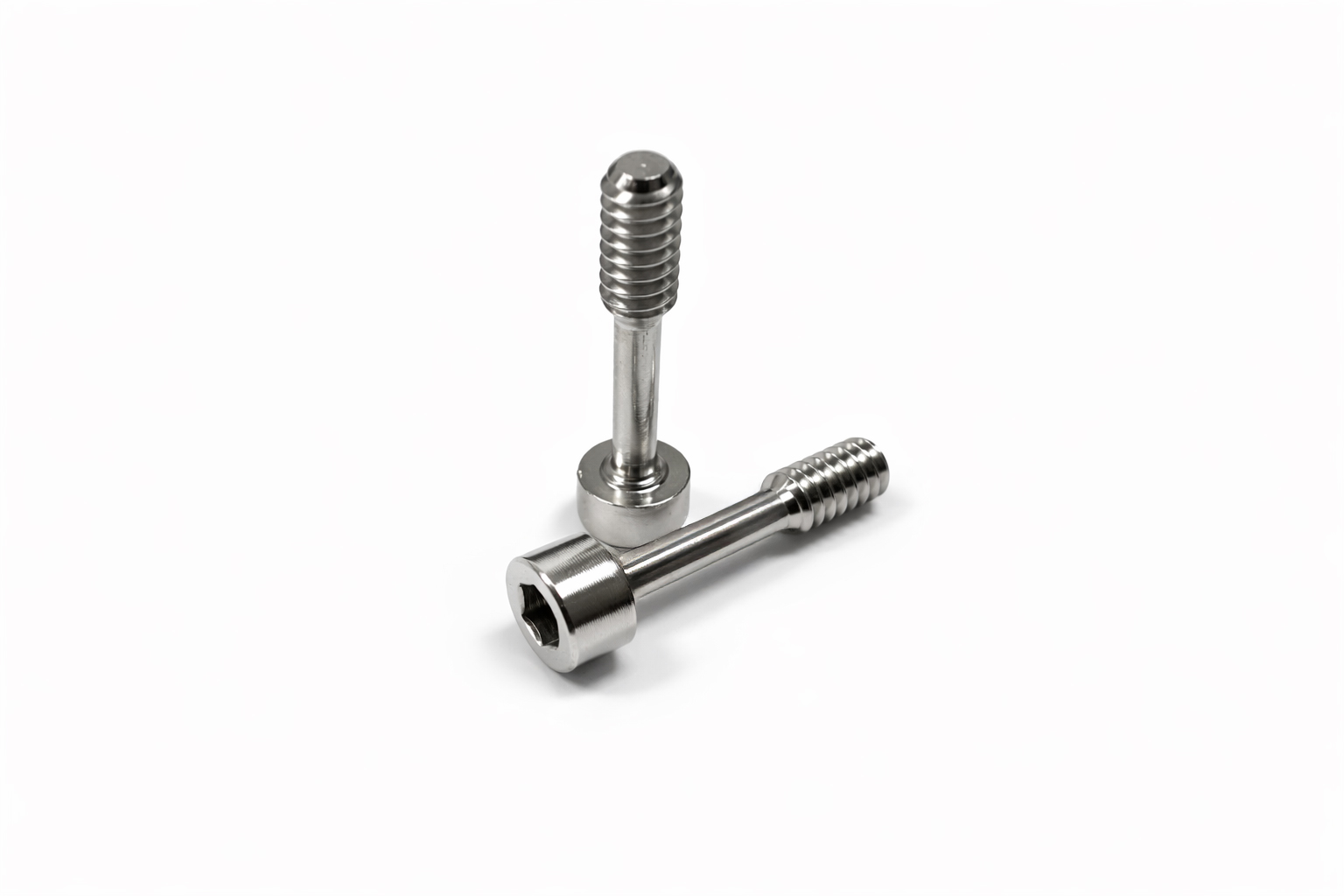
인(P) 함량에 따른 무전해 니켈 도금의 특성
무전해 니켈 도금은 피막 내에 포함된 인(P)의 함량에 따라 물리적, 화학적 성질이 크게 변화하며, 이는 방위산업의 각기 다른 목적에 맞춰 최적으로 선택되어야 합니다. 우선 저인(Low-P, 1~3%) 무전해 니켈은 결정질 구조를 띠며 도금 직후의 경도가 매우 높습니다. 이는 마모가 심하게 발생하는 고하중 마찰 부위나 기어류에 주로 적용되어 부품의 수명을 연장하는 역할을 수행합니다.
중간 수준의 인 함량을 가진 중인(Mid-P, 6~9%) 무전해 니켈은 결정질과 비정질이 혼합된 구조로, 가장 범용적으로 사용됩니다. 적절한 내식성과 경도를 동시에 보유하고 있어 일반적인 지상 기동 장비의 부품이나 일반적인 체결용 볼트에 널리 활용됩니다.
마지막으로 고인(High-P, 10% 이상) 무전해 니켈은 구조적으로 완전히 비정질(Amorphous) 상태를 유지합니다. 비정질 구조는 입계가 존재하지 않아 부식 인자가 침투할 경로가 차단되므로, 염수 분무 테스트에서 수천 시간을 견딜 정도로 압도적인 내식성을 자랑합니다. 또한 고인 도금층은 자성을 띠지 않는 비자성(Non-magnetic) 특성을 가지고 있어, 미세한 전자기적 간섭도 허용되지 않는 첨단 미사일의 센서 부품이나 잠수함의 외장 체결부, 항공기 전자 장비 케이스 등에 필수적으로 적용됩니다.
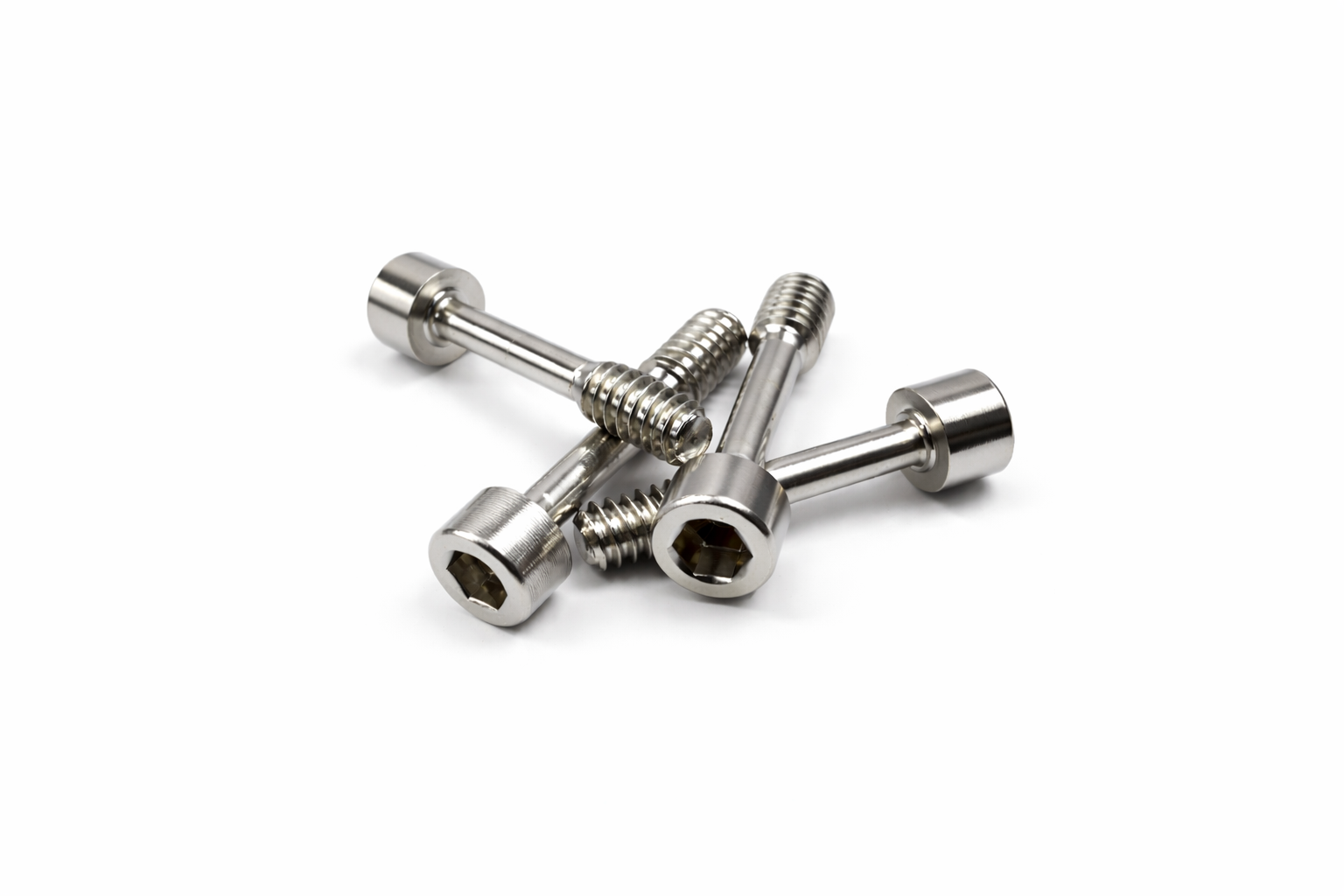
나사산 정밀도 유지와 갤링 현상 방지를 위한 마찰 제어
방산용 체결 부품에서 특히 중요하게 다뤄지는 문제는 반복적인 분해와 조립 과정에서 발생하는 갤링(Galling, 나사산 소붙음) 현상입니다. 고강도 합금강 볼트를 강하게 조일 때 나사산 표면에서 발생하는 강한 마찰은 금속 간의 국부적인 용접 현상을 일으켜 부품을 영구적으로 손상시킬 수 있습니다.
무전해 니켈 도금층은 자체적인 윤활성을 내포하고 있어 마찰 계수가 매우 낮으며, 이는 체결 시 토크 전달의 효율성을 높이고 나사산의 마모를 획기적으로 줄여줍니다. 특히 고속 회전체나 진동이 심한 포탑 구동부, 항공기 엔진 주변 장치 등 극한의 동적 하중이 작용하는 환경에서 무전해 니켈 도금이 적용된 볼트는 균일한 조임력을 유지하며 시스템의 구조적 무결성을 보장합니다. 이러한 마찰 안정성은 정비 효율성을 극대화하여 신속한 부품 교체와 장비 유지를 가능하게 하는 전략적 이점을 제공합니다.
열처리를 통한 기계적 강도 극대화와 내마모성 강화 메커니즘
무전해 니켈 도금은 석출 이후 추가적인 열처리를 통해 그 성능을 한 단계 더 도약시킬 수 있습니다. 도금된 부품을 약 400℃의 온도에서 일정 시간 열처리하면 피막 내에서 **니켈-인 화합물(Ni3P)**이 석출되면서 경도가 비약적으로 상승합니다. 이 과정을 거친 피막은 약 1,000 HV 수준의 경도를 확보하게 되는데, 이는 초경합금이나 경질 크롬 도금에 필적하는 수준입니다.
이러한 고경도 특성은 외부의 물리적 충격이나 연삭 입자에 의한 마모로부터 기재 금속을 보호하는 강력한 갑옷 역할을 합니다. 특히 모래나 먼지가 많은 사막 지형에서 운용되는 군용 차량의 하부 부품이나 외부 노출 체결류에 적용될 경우, 환경적 요인에 의한 성능 저하를 방지하고 장기적인 내구성을 확보하는 핵심적인 수단이 됩니다. 또한 열팽창 계수가 일반적인 강철 소재와 유사하여 급격한 온도 변화가 발생하는 고고도 비행 환경에서도 도금층이 박리되거나 균열이 발생하지 않는 뛰어난 열적 안정성을 보여줍니다.
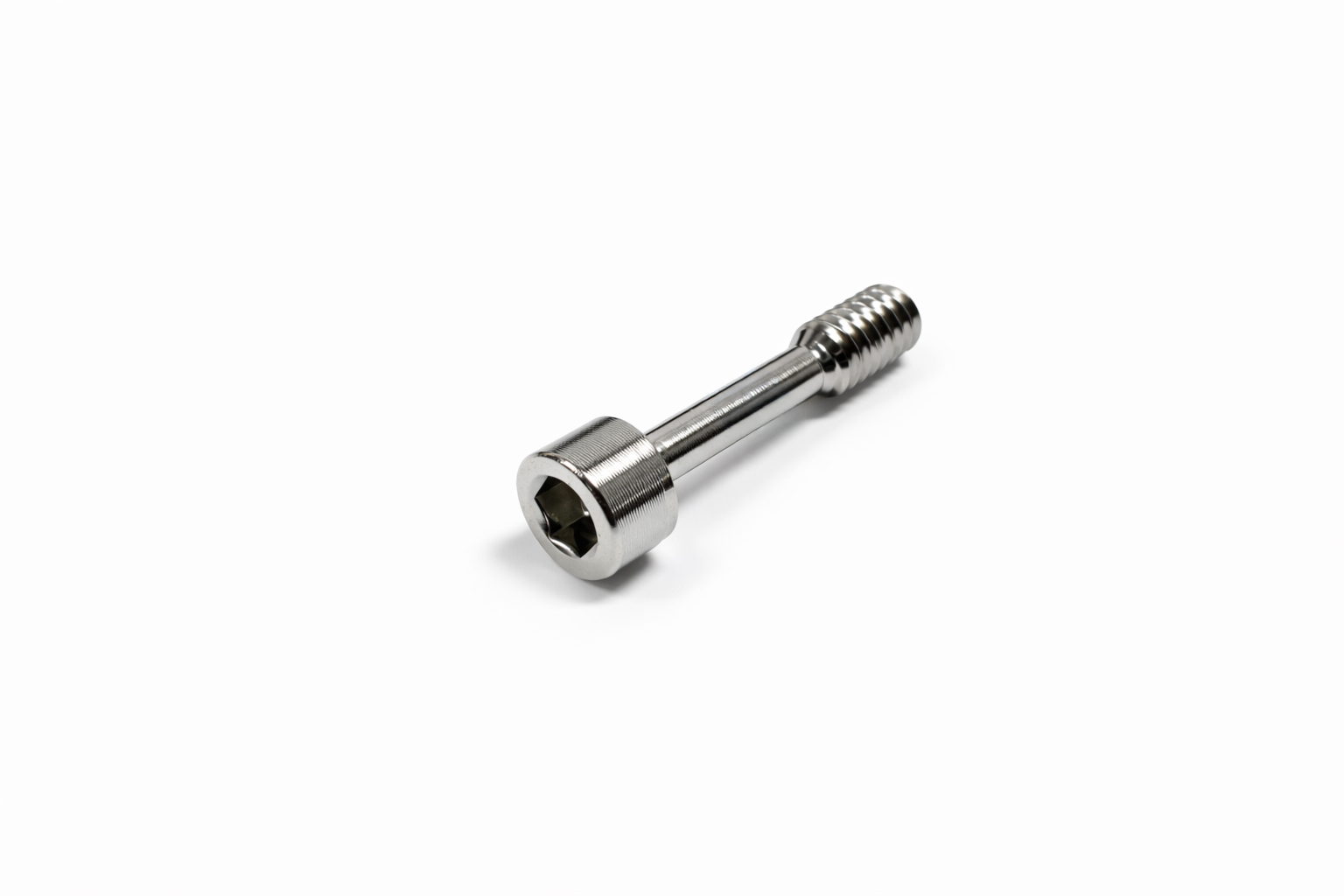
수소 취성 제어와 고장력강 부품의 구조적 안정성 확보
방위산업에서 사용되는 볼트나 체결 부품은 대부분 높은 인장 강도를 가진 고장력강으로 제작됩니다. 이러한 소재는 표면 처리 과정에서 침투하는 수소 원자에 의해 소재가 취약해지는 수소 취성(Hydrogen Embrittlement)에 극도로 민감합니다. 전기 도금 공정은 물의 전기 분해로 인해 다량의 수소가 발생하여 소재 내부로 침투할 위험이 크지만, 무전해 니켈 도금은 상대적으로 수소 발생량이 적어 소재의 연성을 보호하는 데 유리합니다.
그럼에도 불구하고 최고의 안전성을 지향하는 방산 규격에 따라, 무전해 니켈 도금 직후에는 반드시 베이킹(Baking) 공정을 거쳐 잔류 수소를 강제로 방출시키는 품질 관리가 수행됩니다. 이러한 엄격한 공정 제어는 고정밀 선반 가공 부품이 설계된 인장 강도와 항복 강도를 전장에서 온전히 발휘할 수 있도록 뒷받침하며, 예기치 못한 부품 파손으로 인한 작전 실패의 위험성을 근본적으로 차단합니다.
K 방산 부품 신뢰성 극대화를 위한 정밀 가공과 도금 기술
무전해 니켈 도금이 적용된 정밀 가공 부품은 단순한 내부식성 확보를 넘어 현대전의 핵심 기술인 스텔스 및 정밀 타격 능력과도 밀접한 관련이 있습니다. 고인 함량 도금의 비자성 특성은 정밀 센서와 레이더 장비의 신호 간섭을 방지하여 유도 무기의 명중률을 높이는 데 기여합니다. 또한 항공기 유압 시스템의 복잡한 밸브 블록이나 매니폴드 내부에 형성된 균일한 니켈 피막은 작동유에 의한 내부 부식을 방지하고 유체의 흐름을 원활하게 하여 시스템의 반응 속도와 정밀도를 유지합니다.
결론적으로 정밀 선반 가공 기술과 무전해 니켈 도금 공정의 결합은 금속 부품의 기계적 한계를 화학적 보호 기술로 보완하는 표면 공학의 정수라고 할 수 있습니다. 이는 방산 장비의 수명 주기를 연장시키고 유지보수 비용을 획기적으로 절감할 뿐만 아니라, 어떠한 극한 환경에서도 무기 체계가 의도한 성능을 100% 발휘할 수 있도록 만드는 신뢰성의 토대가 됩니다. 따라서 고정밀 체결 시스템의 설계 단계에서부터 무전해 니켈 도금의 기술적 특성을 고려하는 것은 현대 방위산업 부품 제조의 필수적인 전략으로 평가받고 있습니다.
Electroless Nickel Plating (ENP) for Extreme Environment Resistance in K-Defense Components
Characteristics and Surface Treatment of Precision Turned Components for Defense Industry
As the modernization and precision of the defense industry continue to accelerate, the reliability of individual components used in weapon systems has become a critical factor determining the operational success of the entire system. In particular, fastening bolts and precision parts used in guided weapons, aerospace equipment, and next-generation mobility systems are manufactured through precision turning with tolerances measured in microns. These high-precision components must not only meet strict dimensional requirements but also maintain their mechanical properties under harsh battlefield environments such as high temperatures, humidity, salt exposure, and various chemical corrosion factors.
Unlike general industrial components, defense-related parts must withstand conditions where a single fastening failure or minor corrosion can result in the loss of functionality of an entire system. For this reason, the selection of post-machining surface treatment processes is extremely demanding. Technologies are required that can form a strong protective layer without damaging the delicate threads and complex geometries produced through precision turning. In this context, Electroless Nickel Plating (ENP) has emerged as one of the most advanced solutions capable of meeting the technical specifications required by the defense industry.
Autocatalytic Reaction Mechanism of Electroless Nickel Plating
Electroless nickel plating differs from conventional electroplating in that it does not rely on externally applied electrical current. Instead, it uses a chemical process in which the reducing agent sodium hypophosphite reacts with metal ions in the plating solution, creating an autocatalytic reaction that deposits a nickel-phosphorus (Ni-P) alloy layer.
One of the most significant advantages of this technology is its ability to produce a perfectly uniform coating thickness across all surfaces that the plating solution can reach. In traditional electroplating, areas with high current density such as edges or protruding sections tend to accumulate excessive plating, while recessed areas such as holes or valleys receive thinner coatings. This phenomenon, commonly referred to as the “dog-bone effect,” inevitably causes thickness variations.
Such uneven deposition can disrupt the carefully calculated dimensional tolerances of precision turned components, leading to thread assembly failures or localized stress concentrations. In contrast, electroless nickel plating offers exceptional dimensional stability. Even complex internal passages and fine thread valleys receive a consistent coating thickness, allowing the original machining precision to be preserved after plating.
Properties of Electroless Nickel Plating According to Phosphorus Content
The physical and chemical characteristics of electroless nickel coatings vary significantly depending on the phosphorus (P) content within the deposit. This allows the coating to be optimized according to the specific requirements of defense applications.
Low-phosphorus electroless nickel coatings (Low-P, 1–3%) exhibit a crystalline structure and provide very high hardness immediately after plating. These coatings are typically used in components exposed to heavy wear or high-load friction, such as gears and mechanical contact parts, where extended service life is required.
Medium-phosphorus coatings (Mid-P, 6–9%) feature a mixed crystalline and amorphous structure and are widely used across general applications. They provide a balanced combination of corrosion resistance and hardness, making them suitable for many ground mobility components and standard fastening bolts.
High-phosphorus coatings (High-P, above 10%) possess a fully amorphous structure. Because amorphous materials lack grain boundaries, pathways for corrosive agents are effectively eliminated, resulting in exceptional corrosion resistance. These coatings can withstand thousands of hours in salt spray testing.
High-phosphorus electroless nickel coatings also exhibit non-magnetic properties, which makes them essential in advanced defense technologies where even minimal electromagnetic interference cannot be tolerated. Applications include sensor components in advanced missile systems, external fastening parts of submarines, and housings for aircraft electronic equipment.
Friction Control for Thread Integrity and Galling Prevention
One of the most critical issues in defense fastening components is galling, a phenomenon in which severe friction between threaded surfaces causes localized welding and permanent damage during assembly or disassembly.
When high-strength alloy steel bolts are tightened under high loads, intense friction at the thread surfaces can trigger galling. Electroless nickel plating inherently provides lubricity, resulting in a significantly lower coefficient of friction. This property improves torque transmission efficiency during fastening and substantially reduces thread wear.
In extreme operational environments such as high-speed rotating assemblies, turret drive systems subjected to intense vibration, and aircraft engine auxiliary systems, bolts treated with electroless nickel plating maintain stable clamping forces and structural integrity. This friction stability also improves maintenance efficiency by enabling faster component replacement and more reliable servicing.
Heat Treatment Mechanism for Maximizing Mechanical Strength and Wear Resistance
The performance of electroless nickel plating can be further enhanced through post-plating heat treatment. When plated components are heat treated at approximately 400°C for a controlled period, nickel-phosphorus compounds known as Ni₃P precipitates form within the coating.
This transformation significantly increases hardness, allowing the coating to achieve levels of around 1,000 HV. Such hardness is comparable to that of cemented carbides or hard chromium plating.
The resulting high hardness provides strong protection for the substrate metal against abrasive wear and mechanical impact. In environments such as desert regions where military vehicles operate in sand and dust, coated external components and fastening systems maintain their durability despite severe environmental conditions.
Additionally, the thermal expansion coefficient of electroless nickel coatings is similar to that of typical steel substrates. This compatibility ensures excellent thermal stability, preventing coating delamination or cracking even under rapid temperature changes experienced in high-altitude flight environments.
Hydrogen Embrittlement Control and Structural Stability of High-Strength Steel Components
Fastening components used in defense systems are typically manufactured from high-strength steels with very high tensile strength. These materials are extremely sensitive to hydrogen embrittlement, a phenomenon in which hydrogen atoms penetrate the metal structure and reduce ductility.
Electroplating processes often generate significant hydrogen through electrolysis of water, increasing the risk of hydrogen absorption by the substrate. Electroless nickel plating, however, produces significantly less hydrogen during deposition, which helps preserve the mechanical integrity of high-strength steel components.
Even so, strict defense industry standards require an additional quality control step. Immediately after plating, components undergo a baking process to release any residual hydrogen trapped within the material. This controlled heat treatment ensures that precision machined components maintain their designed tensile and yield strength during operation, significantly reducing the risk of unexpected component failure in critical missions.
Precision Machining and Plating Technologies for Maximizing Reliability of K-Defense Components
Precision turned components treated with electroless nickel plating contribute not only to corrosion resistance but also to advanced defense capabilities such as stealth performance and precision targeting systems.
The non-magnetic characteristics of high-phosphorus coatings help prevent signal interference in sensitive sensors and radar systems, thereby supporting the accuracy of guided weapon systems. At the same time, uniformly coated internal surfaces of complex hydraulic valve blocks or manifolds in aircraft systems prevent internal corrosion caused by hydraulic fluids, ensuring stable fluid flow and maintaining system responsiveness and precision.
Ultimately, the integration of precision turning technology with electroless nickel plating represents a sophisticated form of surface engineering that complements the mechanical limitations of metal components with advanced chemical protection. This combination extends the lifecycle of defense equipment, reduces maintenance costs, and ensures that weapon systems maintain their intended performance even in the most extreme environments. For this reason, considering the technical characteristics of electroless nickel plating during the design stage of precision fastening systems has become a fundamental strategy in modern defense component manufacturing.
추가 정보
무전해 니켈 도금(ENP)은 방산용 고정밀 선반 가공 부품에서 요구되는 균일한 피막 형성, 내식성, 내마모성, 치수 안정성을 함께 검토할 수 있는 대표적인 표면처리 공정입니다. 특히 복잡한 형상과 미세 나사산을 가진 체결 부품, 밸브류, 기능성 정밀부품에서는 전기 도금 대비 형상 추종성과 공정 안정성 측면에서 비교 대상이 자주 됩니다. K방산 부품의 극한 환경 대응을 위한 무전해 니켈 도금 ENP 공정은 내환경 신뢰성과 정밀 치수 유지라는 두 요소를 함께 보는 기술 검토 항목으로 해석됩니다.
핵심 포인트 정리
- 무전해 니켈 도금은 전류가 아닌 화학 반응으로 니켈-인 합금층을 형성해 복잡 형상에도 비교적 균일한 두께를 구현하는 편입니다.
- 정밀 선반 가공 부품의 미세 나사산, 홀 내부, 좁은 유로 같은 부위에서도 두께 편차 관리에 유리한 조건을 만듭니다.
- 인 함량에 따라 Low-P, Mid-P, High-P 특성이 달라지며 내마모성, 내식성, 비자성 특성 검토 기준도 달라집니다.
- 고인 무전해 니켈은 비정질 구조 특성으로 염분, 습기, 화학 부식 환경 대응 검토에 자주 포함됩니다.
- 도금 후 열처리는 경도 상승과 내마모성 향상에 영향을 주지만, 기재 소재와 사용 환경을 함께 검토해야 합니다.
- 고장력강 부품에서는 수소 취성 관리와 베이킹 조건이 공정 신뢰성 판단의 중요한 항목입니다.
- 방산 체결 부품에서는 갤링 저감, 반복 체결 안정성, 토크 편차 관리가 실사용 성능과 연결됩니다.
- 정밀 가공과 표면처리는 별도 공정이 아니라 최종 기능 신뢰성을 함께 설계하는 요소로 보는 흐름이 일반적입니다.
FAQ
무전해 니켈 도금은 왜 방산용 정밀 부품에 자주 적용되나요?
방산용 부품은 단순한 외관 보호보다 치수 안정성과 기능 유지가 더 중요합니다. 무전해 니켈 도금은 복잡한 형상과 미세 나사산에서도 비교적 균일한 피막을 형성해 정밀 가공 후 형상 보존 측면에서 검토 가치가 높습니다. 내식성, 내마모성, 반복 체결 특성도 함께 고려되는 경우가 많습니다.
ENP와 일반 전기 니켈 도금의 차이는 무엇인가요?
일반 전기 도금은 전류 분포에 따라 도금 두께 편차가 발생하기 쉽고, 돌출부와 모서리에 더 두껍게 형성되는 경향이 있습니다. 반면 ENP는 화학 환원 반응으로 석출되어 홀 내부나 곡면, 나사산 골 부위까지 보다 균일한 피막 형성을 기대할 수 있습니다. 정밀 체결 부품에서는 이 차이가 조립성에 영향을 줄 수 있습니다.
고인 무전해 니켈 도금이 내식성에 유리한 이유는 무엇인가요?
고인 도금층은 비정질 구조 성향이 강해 부식 인자가 침투할 경계가 상대적으로 적은 편입니다. 염수, 고습, 화학 분위기 노출이 반복되는 환경에서는 이런 구조적 특성이 부식 저항성 평가에서 중요하게 다뤄집니다. 실제 적용 시에는 두께, 기재 전처리, 후처리 조건도 함께 검토해야 합니다.
무전해 니켈 도금은 나사산 정밀도 유지에 어떤 영향을 주나요?
정밀 체결 부품에서 가장 민감한 부분은 나사산의 골과 산, 시작부, 체결 깊이입니다. 무전해 니켈 도금은 비교적 고른 석출 특성으로 인해 특정 부위만 과도하게 두꺼워지는 현상을 줄이는 데 도움이 됩니다. 이 때문에 체결 토크 편차와 조립 불량 리스크를 함께 관리하기 쉬운 편입니다.
갤링 방지 측면에서 ENP가 유리한가요?
갤링은 고하중 체결에서 금속 표면끼리 국부적으로 달라붙는 현상입니다. ENP는 표면 상태와 마찰 특성 측면에서 반복 체결 안정성 검토에 자주 포함되며, 일부 고강도 체결 부품에서는 실사용 유지보수성과 연결됩니다. 다만 상대재 재질, 윤활 조건, 토크 관리 기준도 함께 봐야 합니다.
도금 후 열처리는 반드시 필요한가요?
열처리는 목적에 따라 선택됩니다. 내마모성과 경도 향상이 우선이면 열처리 조건이 중요해지고, 내식성 중심이면 적용 조건을 달리 볼 수 있습니다. 부품의 기재, 허용 변형량, 사용 온도 범위에 따라 적절한 공정 조합이 달라집니다.
고장력강 부품에서 수소 취성 관리는 왜 중요한가요?
고장력강은 수소가 내부로 침투하면 연성이 낮아지고 예기치 않은 파손 가능성이 커질 수 있습니다. 무전해 니켈 도금은 전기 도금 대비 수소 발생이 적은 편으로 평가되지만, 방산급 품질 관리에서는 도금 후 베이킹과 공정 이력 관리가 여전히 중요한 항목입니다. 최종 성능은 공정 전체의 일관성에 의해 좌우됩니다.
어떤 방산 부품에 무전해 니켈 도금을 검토할 수 있나요?
정밀 체결 볼트, 유압 밸브 블록, 매니폴드, 센서 하우징, 가이드 부품, 내식성이 필요한 외장 체결류 등에 검토될 수 있습니다. 특히 정밀 가공 형상 유지와 표면 기능을 동시에 고려해야 하는 부품에서 활용성이 높습니다. 최종 선택은 규격, 시험 조건, 작동 환경에 따라 달라집니다.
관련 주제 확장 설명
정밀 가공 공차와 표면처리 두께의 관계
방산용 정밀부품은 가공 공차만 맞는다고 끝나지 않습니다. 표면처리 두께가 누적되면 나사 체결성, 삽입 깊이, 접촉 압력, 조립 반복성까지 영향을 받을 수 있습니다. 따라서 선반 가공 단계에서부터 목표 도금 두께와 후가공 필요성까지 함께 검토하는 접근이 일반적입니다. ENP는 이러한 공차 관리 관점에서 자주 비교되는 공정입니다.
내식성과 내마모성의 균형 설계
표면처리는 내식성이 높으면 충분하다고 보기 어렵고, 마찰과 마모가 큰 부위에서는 경도와 접촉면 안정성도 중요합니다. 저인, 중인, 고인 무전해 니켈은 인 함량 차이에 따라 성능 특성이 달라지므로 사용 목적별 선택 기준이 필요합니다. 염수, 습도, 진동, 반복 체결, 분진 노출 조건을 함께 보는 방식이 기술 검토에 더 적합합니다.
비자성 특성과 전자기 환경 대응
센서류, 전자 하우징, 정밀 제어 장치 주변에서는 자성 특성이 성능에 영향을 줄 수 있습니다. 고인 무전해 니켈은 비자성 특성 검토가 필요한 구조에서 선택지로 언급되는 경우가 많습니다. 이는 단순 내부식성보다 더 넓은 기능 설계 관점과 연결됩니다. 전자기 간섭 최소화가 필요한 부품일수록 표면처리 선택 기준이 더 세분화됩니다.
방산 품질 관리에서 후처리와 시험의 의미
실제 신뢰성은 도금 공정 자체만으로 판단되지 않습니다. 전처리 상태, 피막 두께 편차, 열처리 여부, 베이킹 조건, 부식 시험, 체결 시험, 단면 분석까지 종합적으로 관리되어야 합니다. 방산 부품에서는 사용 환경이 극단적이기 때문에 공정 재현성과 시험 이력의 일관성이 더욱 중요합니다.
함께 보면 좋은 내부 자료
표면처리 관점의 기술 문서를 더 넓게 보려면 인사이트에서 정밀 가공, 금속 접합, 기능성 부품 관련 주제를 연속해서 검토할 수 있습니다. 가공 기반 부품군은 cnc정밀가공부품, 성형 기반 부품은 정밀프레스가공 부품, 체결 및 구조 요소는 구조연결용 부품 페이지와 함께 보면 공정 선택 기준을 비교하기 좋습니다.
전기적 기능과 접점 신뢰성이 중요한 항목은 전기접점, 배선 시스템과 연결 안정성은 케이블와이어 하네스, 이종 금속 결합과 열적 접합 특성은 브레이징 및 금속접합소재 문맥에서 함께 이해할 수 있습니다. 무전해 니켈 도금은 단독 공정으로 보기보다 부품 기능, 가공 방식, 조립 구조, 사용 환경과 연결해 해석하는 편이 더 실질적입니다.