
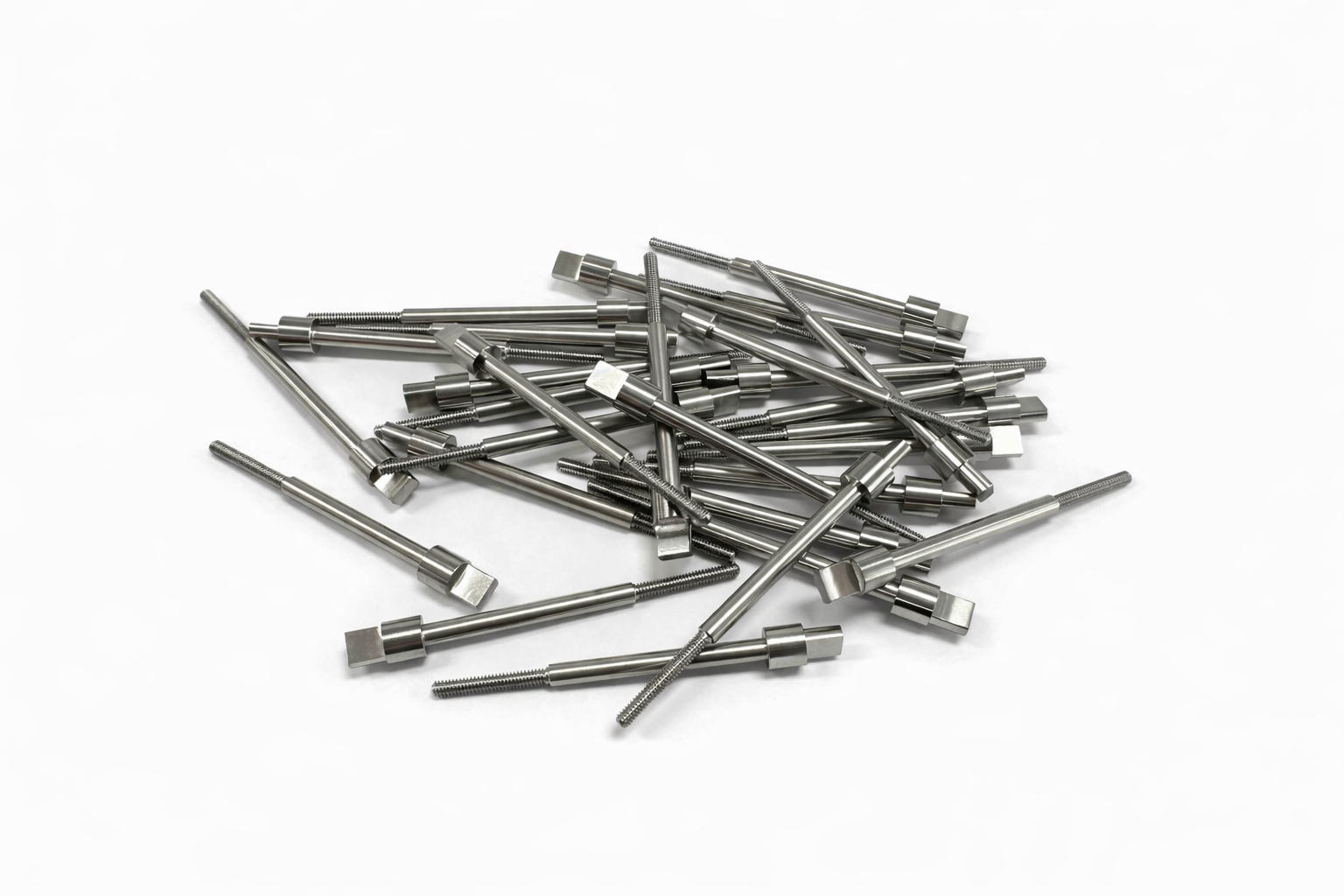
방산 CNC 부품 품질관리 체계와 신뢰성 설계
CNC MCT 정밀가공 기반 방산 부품은 단순히 치수를 맞추는 산업이 아닙니다. 방산 CNC 부품의 품질은 ‘정밀도’로 설명할 수 있지만, 신뢰성은 ‘재현성’으로 정의됩니다. 도면 공차를 만족하는 단품 생산은 기본 조건에 불과하며, 동일 조건에서 반복 생산이 가능하고 환경 변화 속에서도 기능을 유지하며, 이상 발생 시 원인을 구조적으로 역추적할 수 있을 때 비로소 방산 신뢰성 체계가 완성됩니다.
기능 중심 설계 해석
방산 부품은 단품 기준으로 존재하지 않습니다. 모든 부품은 조립체 내에서 하중, 진동, 충격, 온도 변화, 습도, 염수 환경 등 복합 환경을 동시에 경험합니다. 도면에 명시된 공차, 형상, 위치 관계는 단순한 수치가 아니라 기능적 요구사항입니다.
기준면은 조립 기준과 일치해야 하며, 형상 공차는 실제 작동 환경에서 발생하는 변형을 고려해 설정되어야 합니다. 위치 공차는 단순히 조립이 가능한 수준이 아니라 반복 조립 시 동일한 기능적 결과를 재현할 수 있는 수준을 충족해야 합니다.
공차를 무조건 타이트하게 설정하는 접근은 장기 신뢰성을 담보하지 못합니다. 공차는 공정 능력과 연결되어야 하며, 측정 불확도와 검사 전략과 함께 설계되어야 기능적 의미를 가집니다. 설계, 공정, 검사가 서로 다른 언어로 운영되면 단기 합격률은 유지될 수 있으나 장기 신뢰성은 확보되지 않습니다.
공정 변수 분석
방산 장비에서 발생하는 고장은 현장에서 파손, 누설, 진동 증가, 접촉 불량과 같은 형태로 나타납니다. 그러나 이러한 현상은 결과일 뿐이며, 원인은 공정 변수와 물리적 메커니즘에 존재합니다.
형상 및 위치 공차 편차는 편하중과 체결 불균형을 유발하고 공진 가능성을 증가시킵니다. 표면 결함은 접촉 피로와 마모를 가속하며 씰 손상을 유도합니다. 잔류응력은 피로 수명 분산을 확대시키고, 세척 불량과 오염은 유압 스틱션과 베어링 이상을 초래합니다. 열처리 편차는 강도 불균일과 취성 파괴로 이어질 수 있습니다.
방산 CNC 신뢰성 관리의 핵심은 이러한 고장 메커니즘을 사전에 정의하고, 공정 설계 단계에서 제거하거나 조기에 검출하도록 체계를 구성하는 데 있습니다. 결과를 검사로 걸러내는 방식이 아니라, 원인을 상류 공정에서 차단하는 구조가 필요합니다.
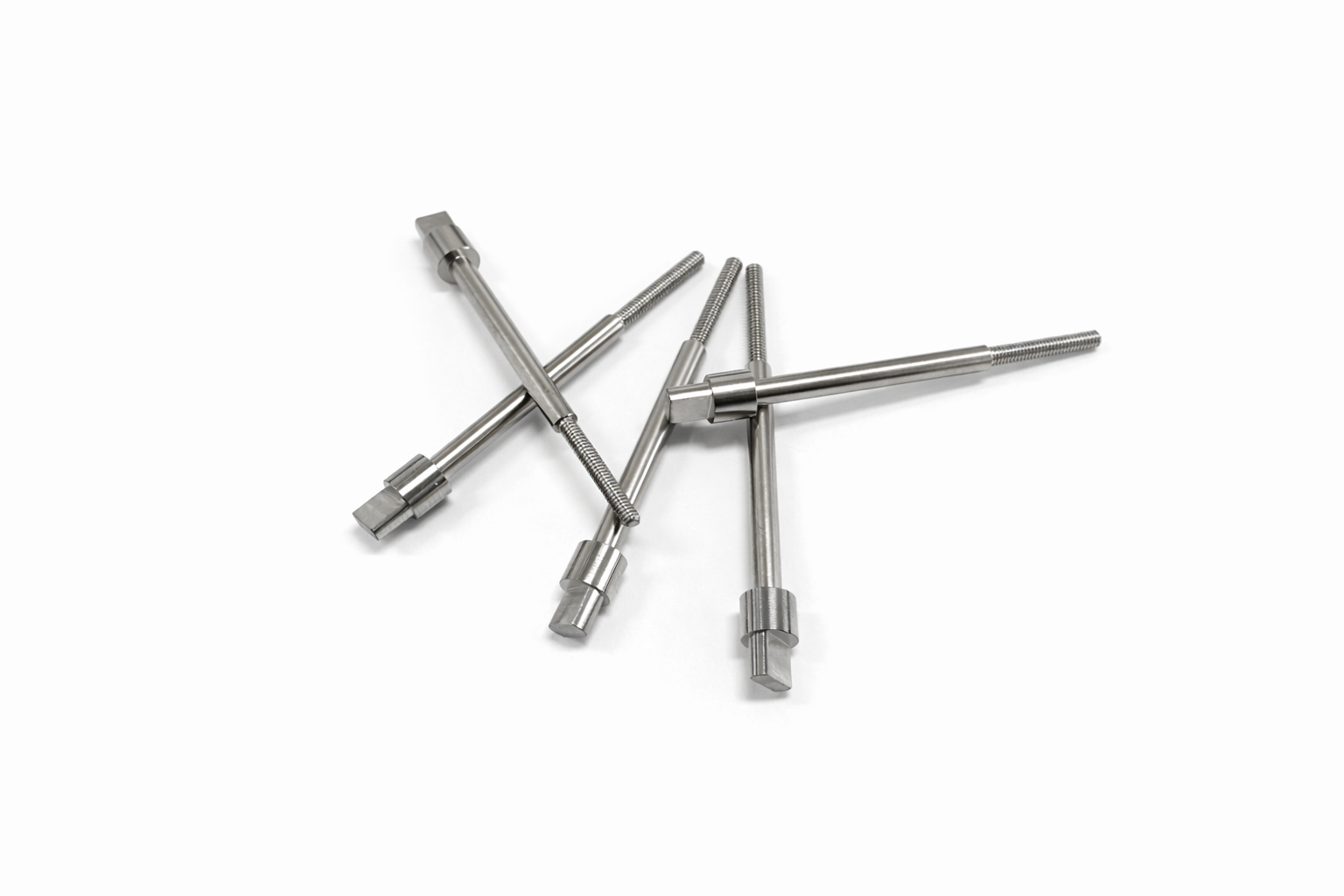
GD&T
기하공차는 도면상의 장식이 아닙니다. GD&T는 기능적 관계를 명확히 정의하고 제조·검사·조립 기준을 통합하는 언어입니다.
기능 기준면과 실제 가공 기준면이 일치해야 하며, 측정 기준과 조립 기준 역시 동일해야 합니다. 위치, 동심, 직각, 프로파일 공차는 기능 요구와 직접 연결되어야 하며, 단순 치수 합격 여부로 판단해서는 안 됩니다.
공정 능력, 측정 능력, 검사 전략이 함께 설계될 때 공차는 의미를 가집니다. 그렇지 않으면 공차는 문서상의 조건일 뿐, 기능 신뢰성을 보장하지 못합니다.
재료와 열처리
방산 환경은 극단적입니다. 고온과 저온이 반복되고, 지속적인 진동과 충격이 발생하며, 습기와 염수 환경이 동시에 존재합니다. 이 환경에서 고장은 대부분 가공 오차 자체가 아니라 변동의 누적에서 발생합니다.
잔류응력, 열처리 편차, 표면 결함, 미세 버, 세척 불량, 공구 마모, 설비 열 변위와 같은 요소는 개별적으로는 허용 범위 내에 존재할 수 있습니다. 그러나 이들이 축적되면 피로 파단, 누설, 접촉 불량으로 이어집니다.
방산 CNC 신뢰성의 본질은 평균값 관리가 아니라 분산 관리입니다. 열처리와 표면처리는 단순 외주 공정이 아니라 구조적 관리 대상입니다. 특수 공정은 결과 검사만으로 완전히 검증할 수 없기 때문에, 공정 자체의 적합성을 증빙하는 체계가 필요합니다.
열처리 로트 추적성, 공정 조건 기록, 경도 및 미세조직 검증, 표면층 상태 확인이 단절 없이 연결되어야 합니다. 피로 균열 성장 특성, 응력 부식 균열 가능성, 갈바닉 부식, 표면층 변질 및 탈탄, 잔류응력 안정성은 장기 신뢰성을 좌우하는 핵심 변수입니다.
구조 하우징과 브래킷 계열 부품의 신뢰성
센서 하우징이나 제어기 브래킷과 같은 구조 부품은 균열, 변형, 체결부 풀림, 공진 증가와 같은 고장이 발생할 수 있습니다. 박벽 가공 중 클램핑 변형, 잔류응력 축적, 공구 마모, 열처리 변동이 주요 원인입니다.
이를 예방하기 위해서는 거친가공 후 응력 완화를 포함한 가공 순서 최적화, 고정구 변형 최소화 설계, 공구 수명 기준 관리가 필요합니다. 형상 공차의 공정 능력지수 관리와 변형량 트렌드 분석이 장기 신뢰성을 결정합니다.
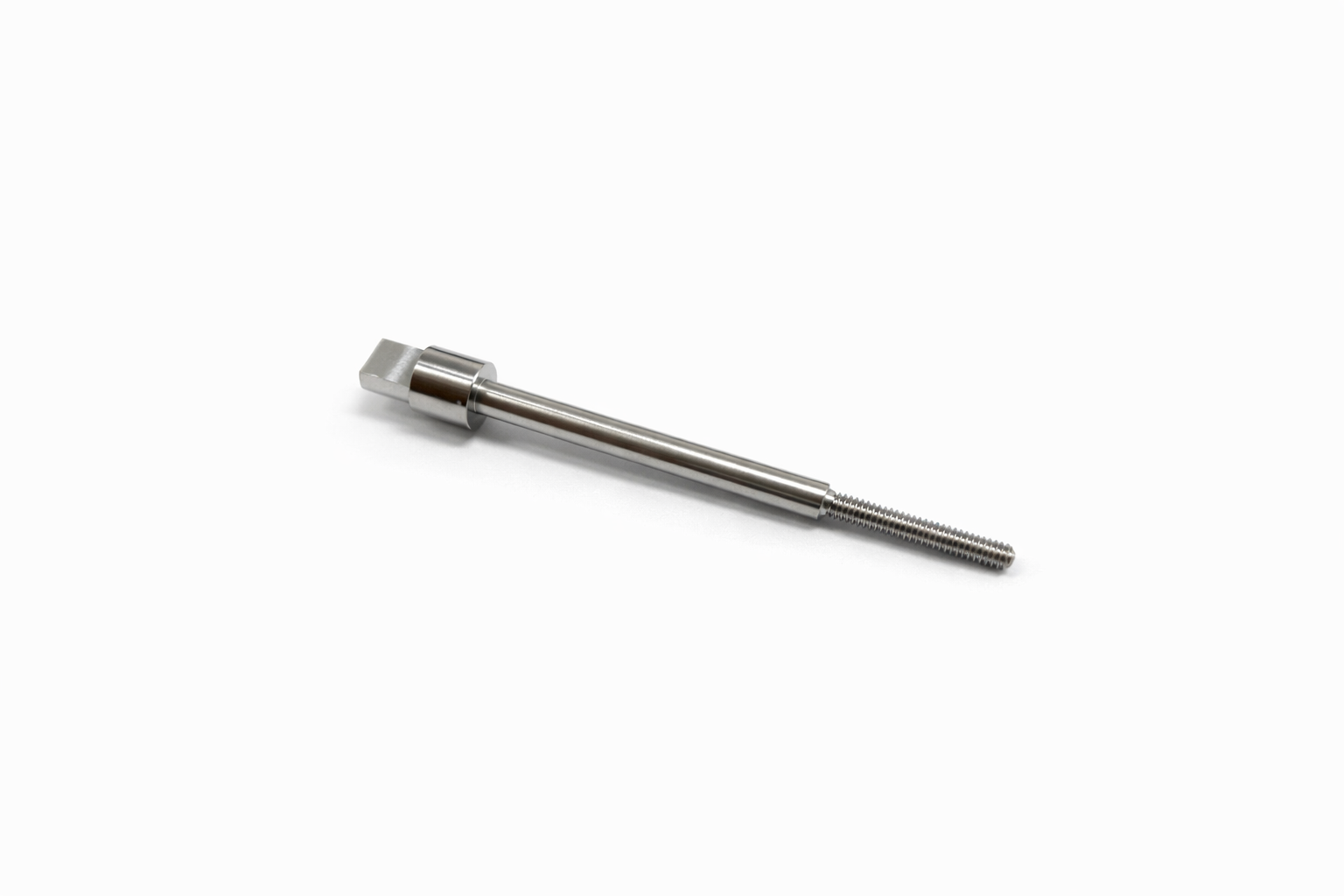
씰링 및 유압 계통 부품의 청정도
밸브 바디와 매니폴드와 같은 유압 계통 부품에서는 누설과 스틱션, 유로 막힘이 주요 고장입니다. 버 잔존, 표면 방향성 불량, 세척 불량, 코팅 결함이 원인으로 작용합니다.
버 제로 공정 표준화, 세척 청정도 기준 수립, 표면 거칠기와 방향성 관리가 필수적입니다. 누설 시험과 청정도 검사는 단순 합격 판정이 아니라 공정 안정성을 감지하는 지표로 운영되어야 합니다. 누설률 분포와 재발율 분석이 체계적으로 연결되어야 합니다.
부품의 반복 정밀도
슬라이드와 포지셔닝 면과 같은 정렬 부품은 비정상 마모, 소음 증가, 위치 오차 누적이 문제로 나타납니다. 기준면 불일치, 평면도 및 직각도 편차, 표면 손상과 조립 오염이 원인입니다.
가공, 검사, 조립 기준의 일치 설계와 취급·포장 표준화, 마찰면 표면 상태 관리가 중요합니다. 반복 정밀도와 마모율을 포함한 데이터 축적이 장기 신뢰성을 좌우합니다.
고강도 축·핀 계열 부품의 피로 수명
고강도 축, 핀, 링크 계열 부품은 피로 파단과 프레팅, 응력 부식 균열이 주요 고장 모드입니다. 열처리 편차, 표면 결함, 미세 균열, 코팅 불안정이 원인입니다.
특수 공정 관리 체계 구축, 모서리 노치 저감 설계, 표면 품질 기준화가 필요합니다. 경도, 미세조직, 비파괴검사 기록은 단순 검사 결과가 아니라 피로 수명 분포와 연결되어 관리되어야 합니다.
전기적 접지 및 차폐 부품의 접촉 신뢰성
케이스 및 접지면과 같은 전기적 기능 부품은 접촉 불량, EMI 문제, 부식이 주요 이슈입니다. 도금 두께 편차, 접촉면 오염, 갈바닉 부식이 원인으로 작용합니다.
재료 조합 검토, 접촉면 전처리, 환경 방청 설계가 필요하며, 접촉저항 분포 관리와 환경 시험 전후 변화량 분석이 체계적으로 운영되어야 합니다.
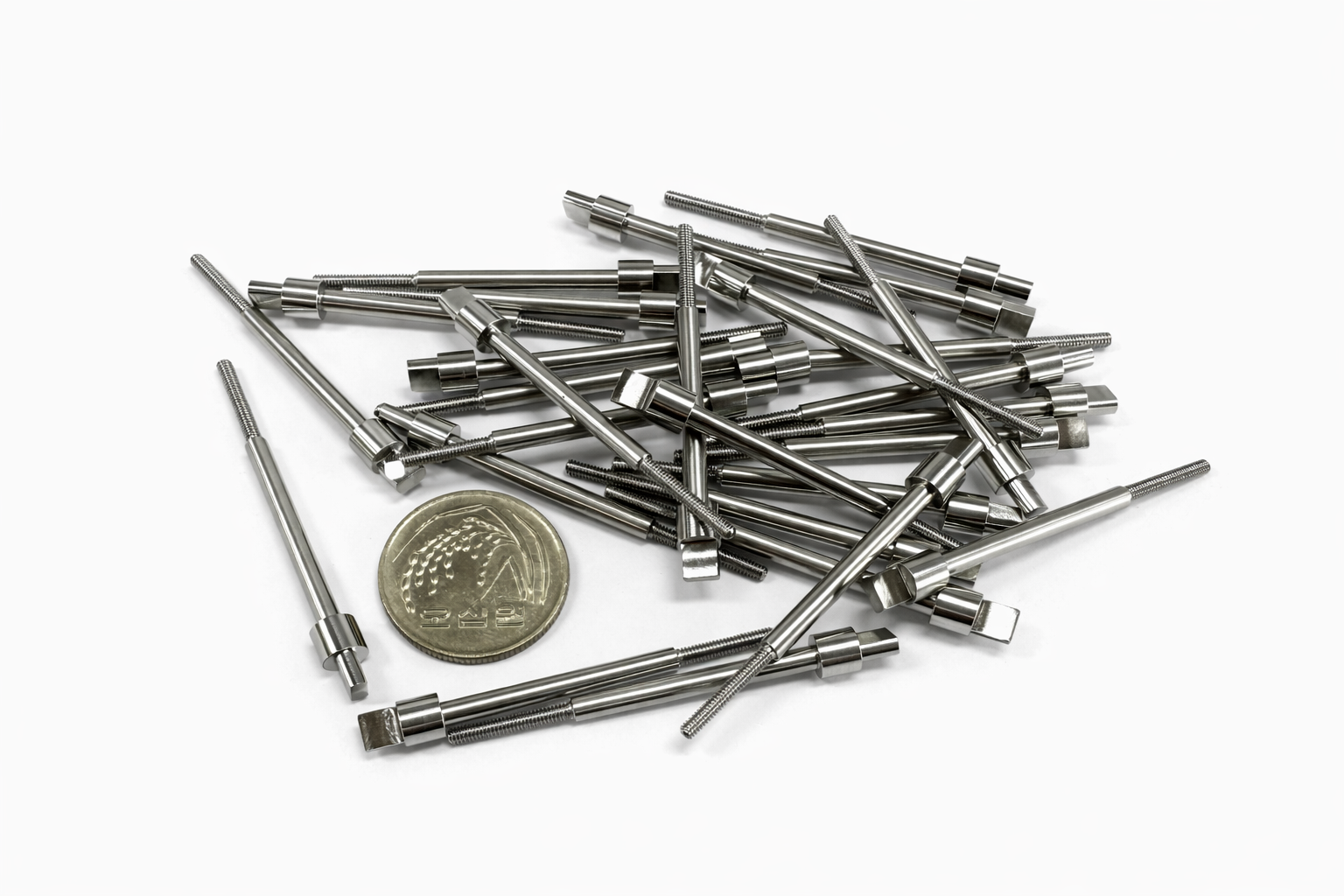
추적성 체계
방산 분야에서 품질이라는 표현은 구체적 수치와 체계로 증명되지 않으면 의미를 갖지 않습니다. 중요한 것은 문제가 발생했을 때 원인을 추적하고 재발을 차단할 수 있는 구조를 갖추었는가입니다.
CMM 검사, 비파괴검사, 접촉저항 측정, 누설 시험은 공정 안정성을 감지하는 센서 역할을 해야 합니다. 측정 불확도는 공차 대비 충분히 낮아야 하며, 검사 기준은 조립 기준과 일치해야 합니다.
소재 로트, 열처리 로트, 표면처리 로트, 도면 리비전, 출하 이력이 단절 없이 연결되어야 합니다. 가공 조건, 공구 수명, 설비 상태, 검사 데이터가 하나의 데이터 흐름으로 통합될 때 변동은 관리 가능한 요소가 됩니다.
방산 CNC MCT 부품 신뢰성
방산 CNC MCT 부품의 신뢰성은 정밀가공 기술의 우수성만으로 확보되지 않습니다. 설계 의도를 기능 중심으로 해석하고, 이를 공정 조건으로 정확히 변환하며, 그 결과를 데이터로 증명할 수 있는 구조를 갖추는 것이 본질입니다.
공차를 맞추는 능력은 전제 조건입니다. 반복 재현 가능성은 자격 요건입니다. 환경 변화 속에서도 성능이 유지되고, 문제가 발생했을 때 원인을 구조적으로 추적할 수 있는 체계가 있을 때 방산 공급망이 요구하는 신뢰성 수준에 도달합니다.
방산 분야에서 경쟁력을 결정하는 것은 평균 품질이 아니라 분산 통제 능력입니다. 가공 오차 자체보다 변동의 누적이 더 큰 위험을 만들기 때문입니다. 신뢰성은 결과물이 아니라 운영 체계의 수준을 의미합니다. 설계, 공정, 검사, 추적성이 하나의 언어로 통합되어 있을 때 방산 CNC 부품은 단순한 가공품을 넘어 체계적으로 증명된 신뢰성 자산이 됩니다.
Defense MCT Machined Parts Quality Management System and Reliability Engineering Framework
CNC MCT precision machining for defense applications is not merely an industry of dimensional compliance. While quality can be described in terms of precision, reliability is defined by reproducibility. Meeting drawing tolerances on a single component is only a baseline requirement. A true defense reliability system is achieved when identical performance can be reproduced under the same conditions, when functionality is maintained under environmental variation, and when root causes can be structurally traced in the event of failure.
Functional-Based Design Interpretation
Defense components do not exist as standalone items. Every part operates within an assembly exposed to combined loads, vibration, shock, thermal cycling, humidity, and saline environments. Tolerances, geometric features, and positional relationships defined in drawings are not numerical targets but functional requirements.
Datums must align with assembly reference structures. Geometric tolerances must reflect deformation under operational loads. Positional tolerances must ensure not only fit but consistent functional repetition across multiple assemblies.
Over-tightening tolerances does not guarantee long-term reliability. Tolerances acquire meaning only when integrated with process capability, measurement uncertainty, and inspection strategy. When design, manufacturing, and inspection operate in isolation, short-term acceptance rates may be maintained, but long-term reliability cannot be secured.
Process Variable Analysis and Failure Translation
Field failures in defense systems appear as fracture, leakage, vibration increase, or electrical contact instability. These manifestations are outcomes. Their origins lie in physical mechanisms and process variables.
Form and positional deviations generate uneven load distribution and resonance conditions. Surface defects accelerate contact fatigue and wear, leading to seal degradation. Residual stress expands fatigue life dispersion. Contamination and insufficient cleaning induce hydraulic stiction and bearing anomalies. Heat treatment variability results in strength inconsistency and brittle fracture.
The core of defense CNC reliability management is the prior definition of these failure mechanisms and the design of processes that eliminate or detect them upstream. Inspection should not function merely as a sorting mechanism. The objective is structural prevention at the process level.
GD&T as a Functional Control Language
Geometric Dimensioning and Tolerancing is not symbolic decoration. It is a language that enforces functional relationships and integrates manufacturing, inspection, and assembly standards.
Functional datums must coincide with machining datums. Measurement references must match assembly references. Position, concentricity, perpendicularity, and profile tolerances must directly correlate with performance requirements rather than simple dimensional compliance.
Tolerance values gain validity only when aligned with process capability, measurement capability, and inspection methodology. Without this integration, tolerances remain documentation rather than functional assurance.
Material and Heat Treatment as Structural Reliability Drivers
Defense environments are extreme. Components endure thermal extremes, persistent vibration, mechanical shock, moisture, and saline exposure. Failures rarely originate from single dimensional deviations. They emerge from the accumulation of variation.
Residual stress, heat treatment inconsistency, micro-burr formation, contamination, tool wear, and thermal drift may individually fall within acceptable limits. However, their cumulative effect leads to fatigue fracture, leakage, and electrical malfunction.
Defense CNC reliability is governed not by average control but by variance control.
Heat treatment and surface treatment are not peripheral outsourcing activities. They are structurally critical processes. Because special processes cannot be fully verified by end inspection alone, their validity must be demonstrated through controlled process qualification.
Heat treatment lot traceability, process parameter recording, hardness verification, and microstructure confirmation must be interconnected. Fatigue crack growth behavior, stress corrosion susceptibility, galvanic interaction, surface layer alteration, decarburization risk, and residual stress stability directly influence long-term reliability performance.
Structural Housings and Bracket Components
Sensor housings and control brackets are susceptible to cracking, distortion, joint loosening, and resonance amplification. Thin-wall clamping deformation, residual stress accumulation, tool wear progression, and heat treatment variability are primary contributors.
Process optimization must incorporate rough machining, stress relief, and controlled finishing sequences. Fixture deformation control and standardized tool life criteria are essential. Capability indices for geometric tolerances and long-term deformation trend monitoring determine sustainable reliability performance.
Sealing and Hydraulic System Cleanliness
Valve bodies and manifolds face leakage, stiction, and flow obstruction risks. Burr retention, improper surface lay direction, contamination, and coating defects are dominant root causes.
Zero-burr process standards, defined cleanliness levels, and controlled surface roughness with directional consistency are mandatory. Leakage testing and contamination inspection must function as indicators of process stability rather than pass/fail gates. Statistical leakage distribution and recurrence monitoring strengthen predictive reliability management.
Repetitive Accuracy in Alignment Components
Slides and positioning surfaces experience abnormal wear, noise increase, and cumulative positional deviation. Misaligned datums, flatness or perpendicularity deviation, surface damage, and assembly contamination contribute to instability.
Unified datum alignment across machining, inspection, and assembly is critical. Handling and packaging standards protect functional surfaces. Repetitive precision metrics, including measurement repeatability and wear progression, form the basis of sustained performance validation.
Fatigue Life Management of High-Strength Shafts and Pins
High-strength shafts, pins, and link components are exposed to fatigue fracture, fretting, and stress corrosion cracking. Heat treatment deviation, surface defects, microcracks, and coating instability are principal drivers.
Special process control systems, notch reduction geometry optimization, and defined surface integrity standards are required. Hardness profiles, microstructural validation, and non-destructive inspection data must be linked to fatigue life distribution control rather than treated as isolated inspection outputs.
Electrical Grounding and Shielding Contact Reliability
Enclosures and grounding surfaces are vulnerable to contact instability, electromagnetic interference issues, and corrosion. Plating thickness variation, contamination, and galvanic corrosion drive degradation.
Material compatibility review, surface preparation protocols, and environmental corrosion mitigation design are essential. Contact resistance distribution control and environmental test comparison before and after exposure establish quantitative reliability benchmarks.
Traceability as a Structural Reliability Backbone
In defense manufacturing, quality cannot be claimed without structural evidence. The decisive factor is whether the organization can trace root causes and implement recurrence prevention.
CMM inspection, non-destructive testing, contact resistance measurement, and leakage evaluation must function as sensors for process stability. Measurement uncertainty must remain sufficiently lower than tolerance thresholds. Inspection references must align with assembly references.
Material lot numbers, heat treatment batches, surface treatment batches, drawing revisions, and shipment history must form a continuous data chain. Machining parameters, tool life records, equipment status logs, and inspection datasets must operate within an integrated information flow.
When variation is digitally connected and statistically interpreted, it becomes manageable rather than reactive.
Structural Definition of Defense CNC MCT Reliability
Defense CNC MCT reliability cannot be achieved through machining precision alone. It is realized by interpreting design intent functionally, translating it accurately into process parameters, and validating outcomes through structured data evidence.
Dimensional conformity is a prerequisite. Reproducibility is the qualification standard.
Performance must remain stable under environmental variation. Root causes must be structurally traceable. Only when design, manufacturing, inspection, and traceability operate within a unified framework can defense supply chains recognize the required reliability level.
In defense manufacturing, competitive strength is determined not by average quality but by variance control capability. Reliability is not a finished product. It is the maturity of the operational system that produces it.
추가 정보
본문에서 다룬 핵심은 방산 CNC 부품 품질관리 체계와 신뢰성 설계가 단품 합격이 아니라 반복 재현성과 추적성 기반의 운영 구조로 성립된다는 점입니다. 공정 능력, 측정 불확도, 특수 공정 관리가 연결될 때 기능 요구사항이 안정적으로 유지됩니다.
핵심 포인트 정리
- 도면 공차는 수치가 아니라 기능 요구사항이며, 조립 기준과 일치하는 기준면 설계가 중요합니다.
- 정밀도 자체보다 재현성과 분산(변동) 관리가 신뢰성의 핵심입니다.
- 형상·위치 편차, 표면 결함, 잔류응력, 세척 오염, 열처리 편차는 고장 메커니즘과 직접 연결됩니다.
- GD&T는 제조·검사·조립 기준을 하나의 언어로 통합해 기능 관계를 강제합니다.
- 열처리·표면처리·NDT 등 특수 공정은 결과 검사만으로 완전 검증이 어려워 공정 적합성 증빙이 필요합니다.
- CMM, 누설 시험, 접촉저항 측정은 합격 판정이 아니라 공정 안정성을 감지하는 센서로 운영되어야 합니다.
- 소재/공정/검사/출하 이력을 단절 없이 연결하면 원인 역추적과 재발 방지 체계가 강화됩니다.
FAQ
방산 CNC 부품에서 신뢰성은 정밀도와 무엇이 다른가요?
정밀도는 목표 치수에 얼마나 가깝게 가공했는지를 뜻합니다. 신뢰성은 동일 조건에서 반복 생산 시 결과가 흔들리지 않고, 환경 변화에서도 기능이 유지되는지를 포함합니다. 따라서 공정 능력과 추적성 체계가 함께 요구됩니다.
공차를 더 타이트하게 잡으면 신뢰성이 올라가나요?
공차가 타이트하다고 신뢰성이 자동으로 올라가지는 않습니다. 공정 능력과 측정 불확도가 공차 수준을 안정적으로 받쳐야 의미가 있습니다. 공차는 가공·검사·조립의 연결 구조 안에서 기능적으로 설계되어야 합니다.
GD&T는 방산 부품 품질관리에서 왜 중요한가요?
방산 부품은 조립체 기준으로 기능이 정의되므로, 기준면과 기하공차는 실제 기능 관계를 규정하는 언어입니다. GD&T가 제대로 정의되면 가공 기준과 검사 기준을 일치시키기 쉬워집니다. 이는 반복 조립 성능을 안정화하는 데 도움이 됩니다.
형상·위치 편차가 실제 고장으로 이어지는 과정은 무엇인가요?
형상 및 위치 편차는 편하중과 체결 불균형을 만들고, 특정 조건에서 공진을 유발할 수 있습니다. 이로 인해 진동 증가, 풀림, 피로 균열 등으로 이어질 수 있습니다. 초기에는 미세한 편차라도 누적되면 성능 저하가 가속됩니다.
세척 불량이나 오염이 유압 부품에 미치는 영향은 무엇인가요?
칩, 오일 잔사, 미세 파티클은 유로 막힘과 스틱션을 유발해 응답성 저하나 누설로 이어질 수 있습니다. 청정도 기준이 없거나 관리가 단절되면 재발성 불량이 발생하기 쉽습니다. 세척 공정은 가공과 동일한 수준으로 관리되어야 합니다.
열처리 편차는 어떤 방식으로 신뢰성을 흔드나요?
열처리 편차는 강도·인성 불균일, 잔류응력 차이, 취성 파괴 위험 증가로 연결됩니다. 특히 피로 수명 분포가 넓어져 동일 로트에서도 성능 편차가 커질 수 있습니다. 로트 추적성과 조건 기록, 검증 데이터가 중요합니다.
특수 공정은 왜 결과 검사만으로 충분하지 않나요?
열처리, 표면처리, NDT 같은 공정은 내부 특성 변화가 핵심이라 전수 결과 검사로 100% 검증이 어렵습니다. 공정 조건, 설비 검교정, 로트 기록, 샘플 검증의 연결이 필요합니다. 공정 적합성 증빙이 누적되어야 안정성이 확보됩니다.
방산 부품에서 추적성은 어디까지 연결해야 하나요?
소재 로트, 열처리 로트, 표면처리 로트, 도면 리비전, 가공 조건, 공구 수명, 검사 데이터, 출하 이력까지 연결하는 것이 현실적인 목표입니다. 연결 범위가 넓을수록 원인 역추적과 재발 방지가 빨라집니다. 데이터 단절 구간이 많을수록 신뢰성 리스크가 커집니다.
관련 주제 확장
재현성 중심의 공정 설계
방산 부품 신뢰성은 평균값을 맞추는 관리보다 분산을 줄이는 관리에서 강화됩니다. 공정 조건의 표준화, 설비 열 변위 대응, 공구 마모 기준 설정은 결과 편차를 줄이는 핵심 요소입니다. 동일 조건에서 반복 생산이 가능한지 여부가 품질관리 체계의 수준을 드러냅니다.
특히 기준면 설정과 클램핑 전략은 형상·위치 안정성에 큰 영향을 줍니다. 가공 순서 최적화와 응력 완화 단계는 박벽 부품이나 체결부 인접 영역에서 변형을 줄이는 데 유효합니다.
측정 불확도와 검사 전략의 정합
검사는 합격 판정으로 끝나지 않고 공정 안정성의 변화를 감지하는 체계로 운영되어야 합니다. 측정 불확도가 공차 대비 충분히 낮지 않으면 합격/불합격 판단 자체가 흔들릴 수 있습니다. 조립 기준과 동일한 검사 기준을 사용하면 기능 관점의 데이터 해석이 쉬워집니다.
CMM 결과, 누설 시험, 접촉저항 측정 등은 개별 결과보다 분포와 추세가 더 중요합니다. 트렌드 분석은 공구 마모, 세척 상태, 열처리 편차 같은 상류 변동 요인을 조기에 드러냅니다.
특수 공정 관리와 로트 기반 증빙
열처리와 표면처리는 외주 여부와 무관하게 품질관리 체계의 핵심 축입니다. 로트 추적성이 확보되면 피로 수명 분산, 부식 리스크, 표면층 변질 같은 장기 이슈를 관리 가능한 변수로 전환할 수 있습니다. 공정 조건 기록과 검증 데이터가 단절 없이 연결될 때 이상 발생 시 원인 규명이 빨라집니다.
특수 공정의 목적은 단순 합격이 아니라, 재발 가능한 고장을 구조적으로 차단하는 데 있습니다. 따라서 공정 적합성 증빙은 문서가 아니라 운영 데이터의 축적 형태로 남아야 합니다.
내부 링크로 이어지는 관련 문서
방산 품질관리 체계를 더 확장해 보려면 인사이트에서 공정·검사·추적성 관점의 기술 글을 함께 확인하는 흐름이 자연스럽습니다.
부품 유형별로는 CNC 정밀가공부품, 정밀프레스가공 부품, 구조연결용 부품에서 공정 설계와 품질 포인트를 비교해 볼 수 있습니다.
전장 환경과 연결되는 항목은 전기접점과 함께 검토하면 접촉 신뢰성, 표면 상태, 오염 관리의 관점이 정리됩니다.
조립체 관점의 시스템 구성은 케이블와이어 하네스와 연계해 보면 추적성(로트/리비전/출하) 연결 구조를 설계하는 데 도움이 됩니다.
특수 공정과 소재 연결은 브레이징 및 금속접합소재를 함께 참고하면 열 이력, 접합부 신뢰성, 공정 증빙의 관점으로 확장할 수 있습니다.