
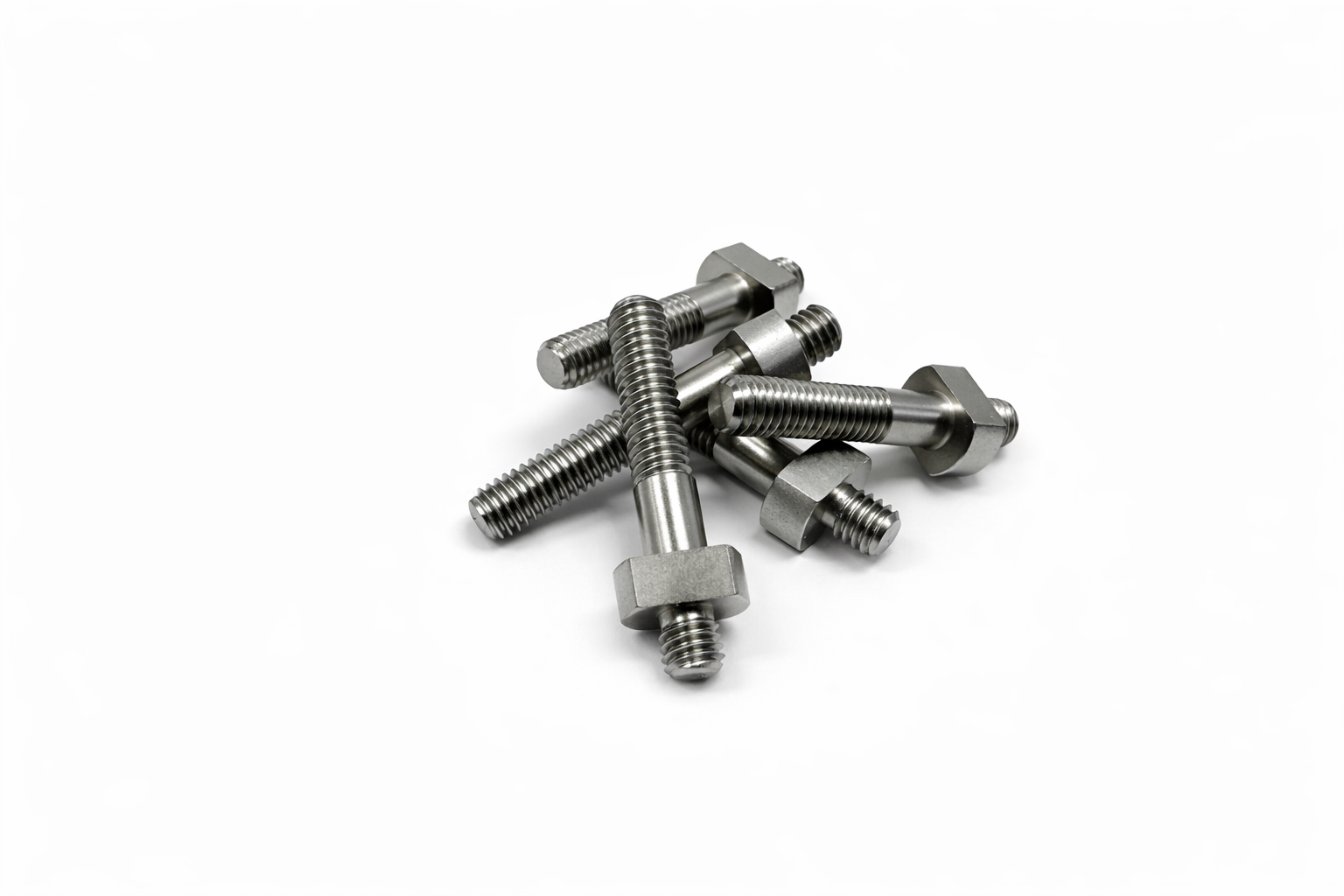
CNC 정밀 부품 가공에서 공차 설계
CNC 가공 환경에서 정밀도와 공차는 부품 품질을 규정하는 가장 본질적인 기술 요소입니다. 정밀도는 설계 의도와 실제 가공 결과 사이의 일치도를 의미하며, 공차는 기준 치수에서 허용되는 변동 범위를 수치적으로 정의한 설계 파라미터입니다. 이 두 요소는 단순한 치수 관리 수준을 넘어 부품의 기능성, 조립성, 내구성, 그리고 시스템 전체의 신뢰성에 직접적인 영향을 미칩니다.
정밀도는 일반적으로 위치 정밀도, 반복 정밀도, 치수 정밀도로 구분됩니다. 위치 정밀도는 장비가 목표 좌표에 도달하는 정확도를 의미하고, 반복 정밀도는 동일 조건에서 동일 위치를 얼마나 안정적으로 재현하는지를 나타냅니다. 치수 정밀도는 최종 가공된 형상이 도면 치수와 얼마나 근접한지를 평가하는 지표입니다. 이러한 정밀도 요소는 기계 구조 강성, 서보 제어 성능, 공구 상태, 가공 조건 등 다양한 공정 변수와 상호 작용하며 결정됩니다.
공차는 조립 부품 간 간섭을 방지하고 기능적 요구 조건을 충족하기 위한 물리적 한계 범위입니다. 공차가 지나치게 엄격하면 제조 비용과 공정 난이도가 급격히 상승하며, 반대로 과도하게 넓으면 기능적 불량이나 소음, 진동, 수명 저하 문제가 발생할 수 있습니다. 따라서 공차 설계는 기능적 요구와 제조 현실 사이의 균형점을 설정하는 공학적 의사결정 과정입니다.
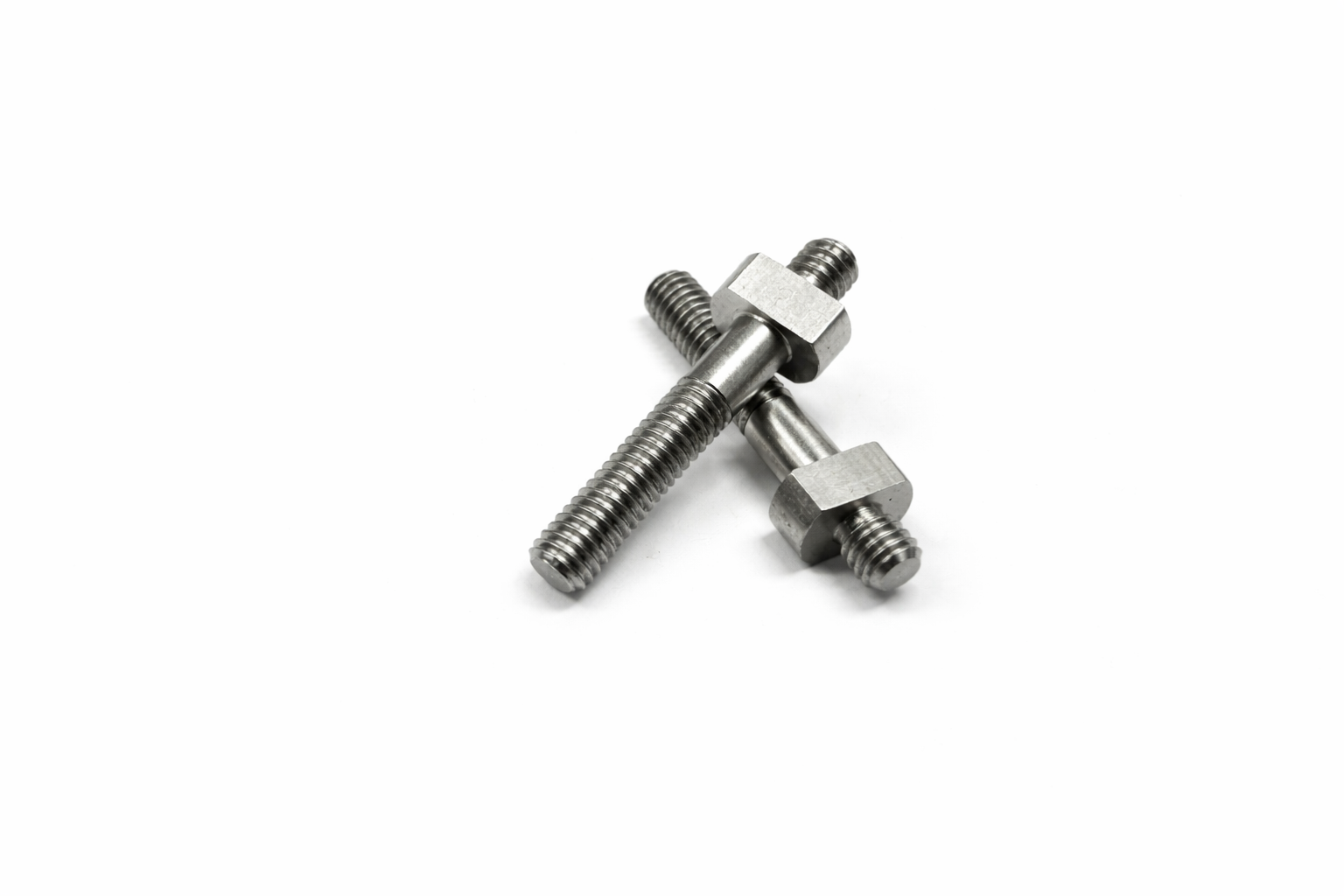
공차 수준에 따른 가공 공정 변화와 정밀도 확보 메커니즘
일반적인 CNC 선삭 및 밀링 공정에서 확보 가능한 공차 범위는 약 ±0.05mm에서 ±0.1mm 수준입니다. 이는 대부분의 산업용 기계 부품, 구조 부품, 하우징 등에 적용 가능한 범위이며 생산성과 비용 측면에서 가장 효율적인 구간입니다. 정밀 가공 영역에서는 ±0.02mm에서 ±0.05mm 수준의 공차가 요구되며, 이 경우 장비의 열 안정성 확보, 공구 경로 최적화, 절삭 조건 제어가 필수적으로 동반됩니다.
초정밀 가공 단계로 진입하면 공차는 ±0.005mm 수준까지 축소됩니다. 이 구간에서는 고강성 장비, 정밀 스핀들, 저진동 환경, 온도 제어된 작업 공간이 필요합니다. 추가적으로 연삭, 방전가공, 지그 보링과 같은 정밀 마감 공정이 적용되며, 측정 역시 항온 환경에서 수행되어야 합니다. 극한 정밀 영역에서는 ±0.001mm 이하의 공차가 요구되며, 초정밀 연마 및 다이아몬드 터닝과 같은 특수 공정이 적용됩니다. 이 단계에서는 소재 내부 응력, 미세 열변형, 공구 날끝 반경까지 고려해야 하는 수준의 정밀 제어가 필요합니다.
이러한 공차 수준의 변화는 단순한 수치 차이를 넘어 공정 체계 전반의 변화를 의미합니다. 공차가 축소될수록 절삭 공정만으로 목표 치수를 확보하기 어려워지며, 마감 공정과 정밀 측정 공정의 비중이 증가합니다. 또한 가공 중 발생하는 미세 변형을 최소화하기 위해 클램핑 방식, 공구 돌출 길이, 절삭력 방향 등 세부 공정 조건이 정밀하게 관리되어야 합니다.
공차 강화에 따른 제조 비용 상승 구조
공차와 제조 비용 사이에는 비선형적 관계가 존재합니다. 공차를 절반으로 줄이는 경우 비용이 단순히 두 배로 증가하는 것이 아니라, 공정 추가, 장비 고도화, 검사 강화 등의 복합 요인으로 인해 지수적으로 상승합니다. 이는 가공 시간 증가뿐 아니라 공정 안정화를 위한 준비 시간, 측정 시간, 품질 관리 비용이 동시에 증가하기 때문입니다.
초정밀 공차 영역에서는 공정 중 실시간 치수 측정을 위한 인프로세스 측정 장비가 활용됩니다. 또한 가공 후에는 3차원 측정기, 형상 측정기, 표면 거칠기 측정기 등을 이용한 정밀 검사가 수행됩니다. 이러한 측정 과정은 생산 리드타임 증가와 함께 숙련 인력 투입을 요구하며, 결과적으로 총 제조 비용 상승으로 이어집니다.
더불어 공차가 엄격할수록 불량 발생 시 재작업 또는 폐기 가능성이 높아집니다. 이는 재료 비용과 가공 시간 손실뿐 아니라 납기 지연 위험까지 동반합니다. 따라서 설계 단계에서 기능적으로 필요하지 않은 공차를 과도하게 지정하는 것은 제조 경쟁력을 저하시킬 수 있는 요소로 작용합니다.
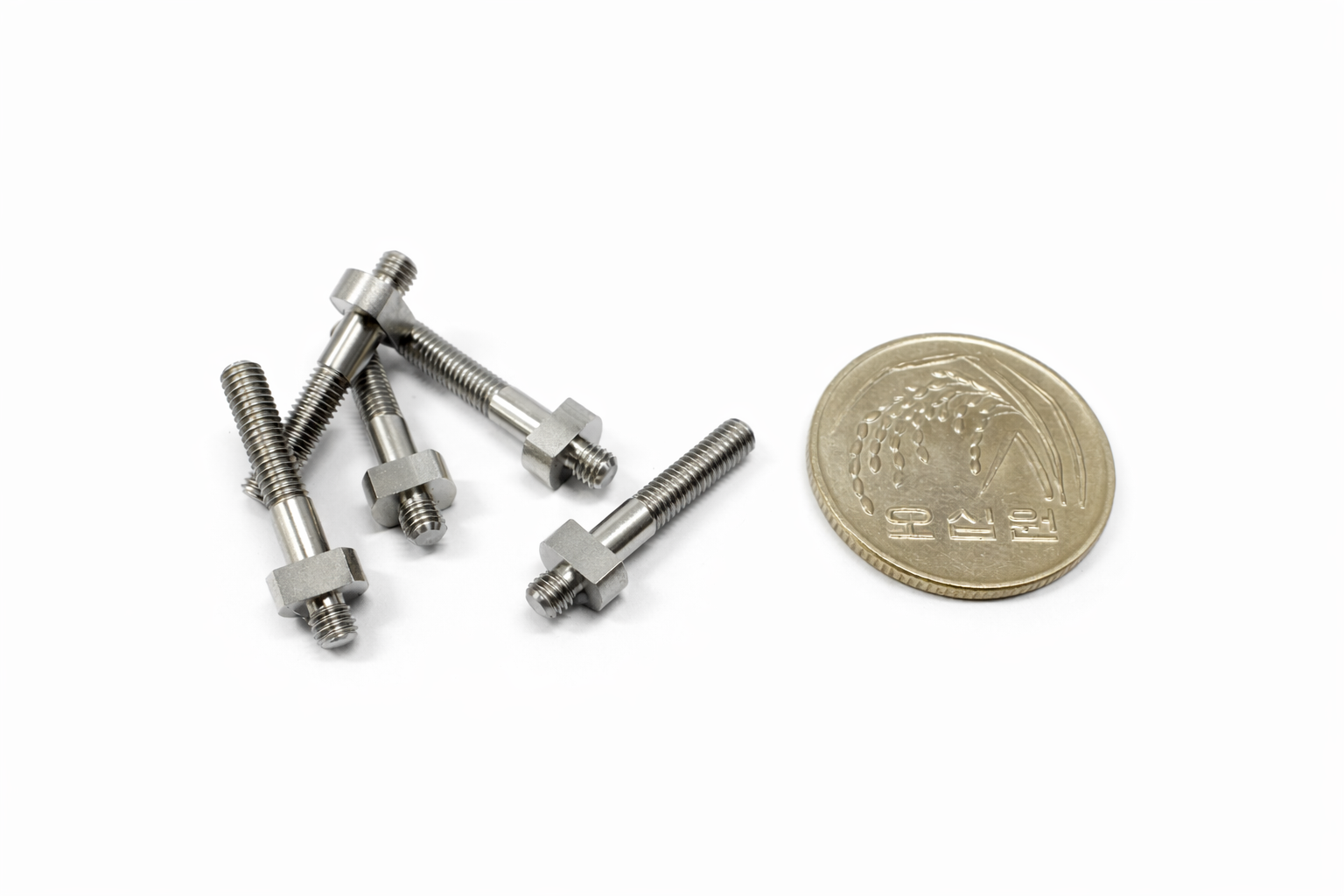
DFM 기반 경제적 공차 설계 전략
효율적인 공차 설계를 위해서는 DFM 개념을 기반으로 기능적 중요도에 따른 공차 차등 적용이 필요합니다. 회전 운동, 베어링 결합, 씰링 접촉면 등 기능적 핵심 부위에는 정밀 공차를 적용하고, 외형 치수나 비기능 부위에는 상대적으로 넓은 공차를 설정하는 방식이 일반적입니다. 이러한 접근은 가공 공정 단순화와 비용 절감 효과를 동시에 확보할 수 있습니다.
조립체 설계에서는 공차 누적 분석이 중요한 역할을 합니다. 여러 부품이 결합될 때 각 부품의 공차가 누적되어 최종 간극이나 위치 오차를 형성하게 됩니다. 통계적 공차 분석을 활용하면 최악 조건 기반 설계보다 현실적인 공차 분배가 가능하며, 기능적 안정성을 유지하면서 제조 비용을 낮출 수 있습니다. 이는 대량 생산 환경에서 특히 효과적인 설계 전략입니다.
또한 설계 단계에서 가공 가능성 검토를 수행하는 것이 중요합니다. 특정 공차가 현재 장비와 공정 조건에서 안정적으로 구현 가능한지 확인하지 않은 채 설계가 진행되면, 후속 공정에서 반복 수정이 발생할 수 있습니다. 설계자와 가공 엔지니어 간 협업은 공차 설계의 실현 가능성과 경제성을 동시에 확보하는 핵심 요소입니다.
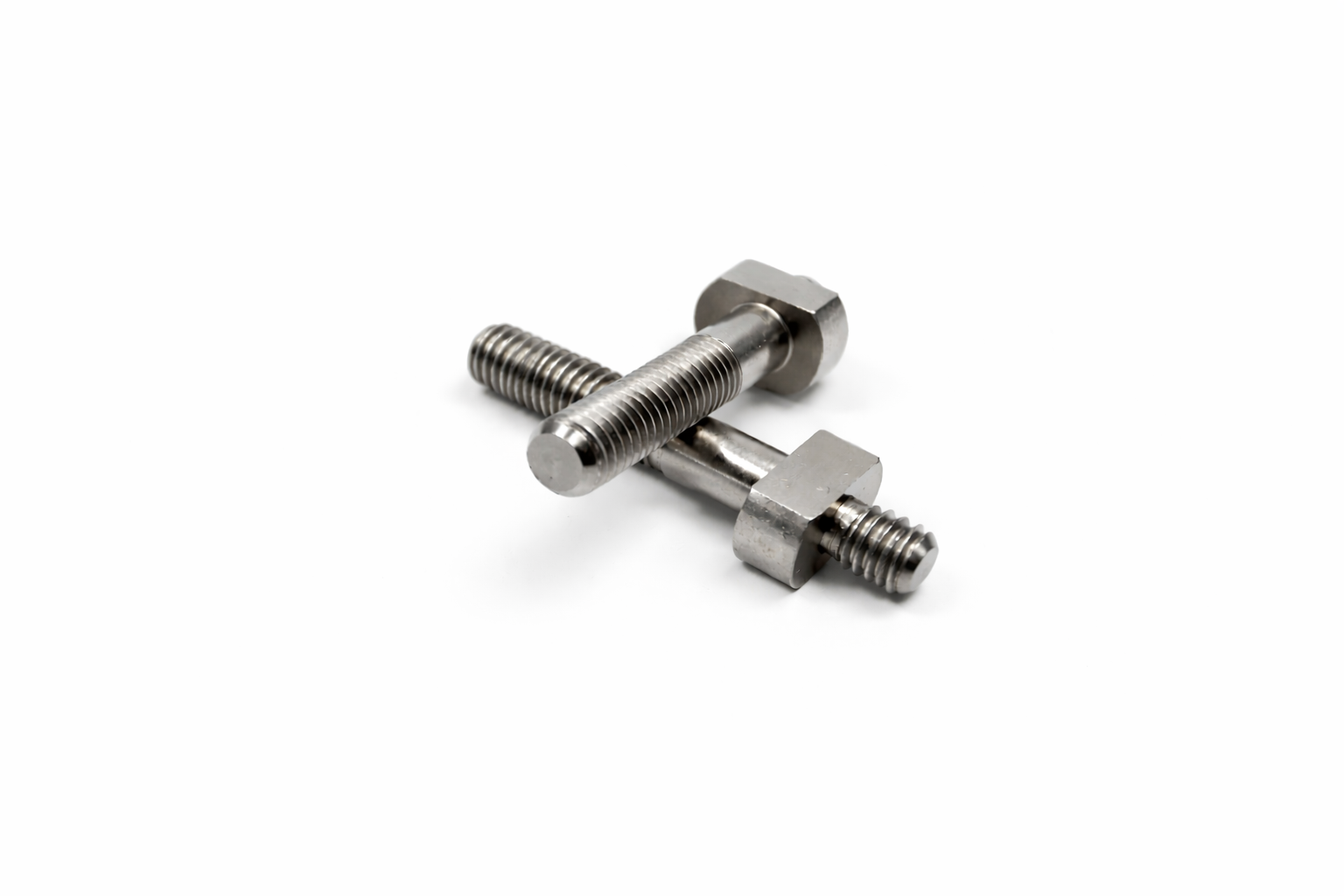
열팽창 특성과 공차 유지 한계
정밀 가공에서 공차 유지에 영향을 미치는 주요 변수 중 하나는 소재의 열팽창 특성입니다. 알루미늄은 상대적으로 높은 열팽창 계수를 가지며, 온도 변화에 따른 치수 변동이 쉽게 발생합니다. 예를 들어 100mm 길이의 알루미늄 부품은 온도가 10도 변할 경우 약 0.02mm 이상의 치수 변화가 발생할 수 있습니다. 이는 ±0.01mm 이하의 공차 요구 조건에서 치명적인 오차 요인이 됩니다.
이러한 문제를 해결하기 위해 초정밀 가공 환경에서는 작업장 온도 관리와 소재 안정화 시간이 필수적으로 확보됩니다. 가공 전 소재를 작업 환경에 일정 시간 노출시켜 온도 균형을 맞추는 과정이 필요하며, 가공 후 측정 역시 동일 온도 조건에서 수행되어야 합니다. 열팽창 영향이 큰 부품의 경우 저열팽창 합금이나 세라믹 소재를 적용하는 재료 공학적 접근도 고려됩니다.
또한 장비 자체의 열변형 역시 공차 유지에 영향을 미칩니다. 스핀들 발열, 서보 모터 발열, 냉각수 온도 변화는 장비 구조의 미세 변형을 유발할 수 있으며, 이는 가공 오차로 연결됩니다. 따라서 고정밀 장비에서는 열보정 기능과 온도 모니터링 시스템이 적용됩니다.
공정 안정성과 측정 기술의 역할
정밀 공차를 안정적으로 확보하기 위해서는 가공 공정과 측정 공정이 통합적으로 관리되어야 합니다. 공정 중 치수 변화 추이를 분석하여 공구 마모 보정, 오프셋 수정, 절삭 조건 조정을 수행하는 공정 관리 체계가 필요합니다. 이러한 접근은 단순한 결과 검사 중심의 품질 관리에서 벗어나 공정 자체의 안정성을 확보하는 방향으로 전환된 방식입니다.
측정 기술 역시 공차 관리에서 중요한 요소입니다. 3차원 측정기는 복잡한 형상과 위치 공차를 정밀하게 평가할 수 있으며, 형상 측정기는 원통도, 평면도, 진원도 등 기하 공차 분석에 활용됩니다. 표면 거칠기 측정은 기능적 접촉 성능과 내마모성을 평가하는 데 필수적입니다. 측정 데이터의 피드백은 공정 개선과 공차 재설정의 근거로 활용됩니다.
실무적 관점에서의 공차 최적화 방향
CNC 정밀 부품 가공의 경쟁력은 최소 공차를 달성하는 능력보다, 기능 요구를 만족하는 범위 내에서 가장 경제적인 공차를 설정하는 능력에 있습니다. 불필요한 초정밀 요구는 가공 시간 증가, 검사 강화, 불량 위험 상승으로 이어지며 프로젝트 수익성에 부정적인 영향을 미칠 수 있습니다.
설계 단계에서부터 가공 파트너와 협력하여 장비 성능, 공정 능력, 측정 환경을 고려한 공차 설정이 이루어져야 합니다. 또한 기능 분석을 통해 공차 요구의 우선순위를 명확히 정의하는 과정이 필요합니다. 이러한 접근은 품질 안정성과 생산 효율을 동시에 확보하는 기반이 됩니다.
정밀도와 공차에 대한 체계적인 이해는 도면 검토 단계에서 잠재적 문제를 사전에 식별하고 설계 개선 방향을 도출하는 데 중요한 역할을 합니다. 기능성과 경제성을 동시에 고려한 공차 설계는 현대 정밀 제조 환경에서 핵심적인 기술 역량으로 평가됩니다.
CNC Precision Component Machining Tolerance Design
Fundamental Concepts of Tolerance Design in CNC Precision Machining
In CNC machining environments, precision and tolerance are the primary technical factors that define component quality. Precision represents the level of agreement between design intent and actual machining results, while tolerance specifies the allowable dimensional variation from the nominal size defined on engineering drawings. These two elements extend beyond simple dimensional control and directly influence functionality, assembly compatibility, durability, and overall system reliability. Precision is typically categorized into positional accuracy, repeatability, and dimensional accuracy. Positional accuracy refers to the machine’s capability to reach a defined coordinate, repeatability reflects the consistency of returning to the same position under identical conditions, and dimensional accuracy evaluates how closely the machined geometry matches the design specification. These precision characteristics are affected by machine structural rigidity, servo control performance, tool condition, and cutting parameters operating simultaneously within the process environment.
Tolerance serves as the physical boundary ensuring proper fit and operational performance between mating components. Excessively tight tolerances significantly increase manufacturing complexity and cost, whereas overly loose tolerances may result in functional defects, vibration, noise, and reduced product lifespan. Therefore, tolerance design represents an engineering decision-making process that balances functional requirements with manufacturing feasibility.
Process Transition and Precision Control Across Tolerance Levels
Standard CNC turning and milling operations typically achieve tolerance ranges between ±0.05 mm and ±0.1 mm. This range supports the majority of industrial mechanical components, structural parts, and housings, providing an optimal balance between productivity and cost efficiency. In precision machining, tolerance requirements shift toward ±0.02 mm to ±0.05 mm, necessitating improved thermal stability, optimized tool paths, and controlled cutting conditions.
As machining requirements enter the ultra-precision domain, tolerances may reach approximately ±0.005 mm. At this stage, high-rigidity machines, precision spindles, low-vibration environments, and temperature-controlled workspaces become essential. Additional finishing processes such as grinding, electrical discharge machining, and jig boring are commonly integrated, while dimensional verification must be conducted under controlled environmental conditions. In extreme precision applications where tolerances fall below ±0.001 mm, advanced processes including ultra-fine polishing and single-point diamond turning are implemented. These operations require detailed consideration of internal material stress, micro thermal deformation, and even tool edge geometry.
The progression toward tighter tolerances represents more than a numerical reduction. As tolerance limits shrink, conventional cutting alone becomes insufficient, leading to increased reliance on finishing processes and precision metrology. Furthermore, minimizing machining-induced deformation requires careful control of clamping strategy, tool overhang length, and cutting force direction.
Manufacturing Cost Structure Under Tight Tolerance Requirements
A non-linear relationship exists between tolerance tightness and manufacturing cost. Reducing tolerance by half does not simply double production cost; instead, it triggers exponential increases due to process additions, equipment upgrades, and intensified inspection requirements. Increased machining time, process stabilization efforts, measurement activities, and quality assurance all contribute to this cost escalation.
Within ultra-precision tolerance ranges, in-process measurement systems are often deployed to monitor dimensional variation during machining. Post-process inspection typically involves coordinate measuring machines, form measurement instruments, and surface roughness analyzers. These inspection procedures extend production lead time and require skilled personnel, ultimately increasing total manufacturing expenditure.
Additionally, strict tolerances elevate the risk of scrap or rework. Material waste, extended machining cycles, and potential delivery delays may occur when tolerance margins are exceeded. Consequently, specifying unnecessarily tight tolerances during design can undermine manufacturing competitiveness and operational efficiency.
DFM-Oriented Strategies for Economical Tolerance Allocation
Effective tolerance design is closely associated with Design for Manufacturing principles. Functional critical areas such as rotating interfaces, bearing seats, and sealing surfaces should be assigned precise tolerances, while non-functional features and external dimensions can accommodate wider tolerance ranges. This selective tolerance allocation simplifies machining processes while maintaining functional integrity.
Tolerance stack-up analysis plays a vital role in assembly design. As multiple components are integrated, individual tolerance variations accumulate, influencing final clearance or positional accuracy. Statistical tolerance analysis enables realistic tolerance distribution by acknowledging the low probability of worst-case accumulation, allowing designers to relax individual tolerances while preserving assembly performance. This approach is particularly beneficial in high-volume production environments.
Early-stage manufacturability evaluation is equally important. Assigning tolerances without confirming process capability may lead to repeated design revisions and production inefficiencies. Close collaboration between design engineers and machining specialists ensures that tolerance specifications remain both achievable and economically viable.
Thermal Expansion Effects and Dimensional Stability Limitations
Material thermal expansion represents a critical factor in maintaining tight tolerances. Aluminum alloys, for instance, exhibit relatively high thermal expansion coefficients, making them sensitive to temperature fluctuations. A 100 mm aluminum component may experience dimensional variation exceeding 0.02 mm with a 10°C temperature shift, which becomes significant when tolerance requirements fall below ±0.01 mm.
To mitigate this effect, ultra-precision machining environments implement strict temperature control and allow material stabilization prior to machining. Components are conditioned to the machining environment to minimize thermal gradients, and measurement is performed under identical temperature conditions. In cases where thermal sensitivity must be minimized, low-expansion alloys or ceramic materials may be considered.
Machine tool thermal behavior also influences dimensional stability. Heat generated from spindles, servo motors, and coolant systems can induce structural deformation, contributing to machining error. Advanced precision machines incorporate thermal compensation systems and temperature monitoring technologies to address this challenge.
Integration of Process Stability and Metrology Technologies
Maintaining consistent tolerance performance requires integrated management of machining and measurement processes. Monitoring dimensional trends during machining enables tool wear compensation, offset adjustments, and parameter optimization, shifting quality control from inspection-based evaluation toward process stability assurance.
Metrology technologies serve as fundamental tools in tolerance management. Coordinate measuring machines facilitate complex geometric verification, form measurement instruments assess roundness and flatness, and surface roughness measurement evaluates functional contact performance. Measurement feedback supports continuous process improvemental improvement and tolerance refinement strategies.
Practical Direction for Tolerance Optimization in Precision Manufacturing
The competitive advantage of CNC precision machining lies not in achieving the tightest possible tolerance, but in identifying the widest tolerance range that satisfies functional requirements. Excessively stringent tolerances increase machining time, inspection intensity, and defect risk, potentially impacting overall project profitability.
Collaborative tolerance planning during the design stage enables alignment with machine capability, process stability, and measurement infrastructure. Functional analysis further clarifies tolerance priorities, ensuring that critical performance characteristics are preserved without imposing unnecessary manufacturing constraints.
A structured understanding of precision and tolerance supports proactive identification of potential design issues and facilitates continuous improvement throughout the product lifecycle. Functionally driven and economically optimized tolerance design remains a defining capability within modern precision manufacturing environments.
추가 정보
CNC 정밀 부품 가공 공차 설계는 기능 요구를 만족하는 범위에서 제조 리스크와 비용을 함께 관리하는 설계·공정 의사결정입니다. 공차 수준이 미세해질수록 열·진동·공구 마모·측정 체계의 영향이 커지므로, 도면 단계에서 공정 가능성과 검사 전략까지 함께 정리하는 방식이 유리합니다.
핵심 포인트
- 정밀도는 위치 정확도·반복성·치수 정확도로 구분되며, 기계 강성·서보 제어·가공 조건에 의해 좌우됩니다.
- 공차는 조립성과 기능을 보장하는 허용 범위이며, 불필요한 과도 공차는 검사·재작업·스크랩 위험을 키웁니다.
- 표준 CNC 절삭으로 가능한 구간과 정밀 마감(연삭·EDM 등)이 필요한 구간의 경계를 도면에서 구분하는 방식이 효율적입니다.
- 공차가 좁아질수록 공정이 늘어나고 측정 빈도가 증가하여 제조 원가가 비선형적으로 상승합니다.
- 조립체에서는 공차 누적(스택업) 분석을 통해 기능부 공차를 집중하고 비기능부 공차는 완화하는 분배가 중요합니다.
- 열팽창은 미크론 단위 공차에서 결정적 변수이며, 소재 안정화 시간과 동일 온도 조건 측정이 전제됩니다.
- 공정 안정화를 위해 공구 마모 보정·오프셋 관리·치수 추세 관리 같은 피드백 루프를 운용하는 방식이 실무에 적합합니다.
FAQ
공차(tolerance)와 정밀도(precision)는 무엇이 다릅니까?
공차는 도면 기준 치수에서 허용되는 변동 범위를 뜻하며, 합격/불합격 판단의 기준이 됩니다. 정밀도는 가공 결과가 설계 의도에 얼마나 근접하고 일관되게 재현되는지를 나타내며, 공정 성능을 설명하는 지표입니다.
CNC 선삭/밀링에서 일반적으로 적용되는 공차 범위는 어느 정도입니까?
표준적인 절삭 기반 CNC 공정에서는 대체로 ±0.05 mm에서 ±0.1 mm 수준이 현실적인 범위입니다. 기능부·결합부는 공정 조건과 측정 체계를 강화하여 ±0.02 mm대 접근이 가능하나, 안정성 검토가 필요합니다.
왜 공차를 더 엄격하게 하면 비용이 급격히 증가합니까?
공차를 줄이면 가공 시간만 늘어나는 것이 아니라, 공정 자체가 마감 공정 중심으로 재구성되는 경우가 많습니다. 추가 공정(연삭, 래핑, 호닝 등)과 항온 측정, 전수 검사 비중이 커지면서 총비용이 비선형적으로 상승합니다.
초정밀 공차(예: ±0.005 mm)는 절삭만으로 달성할 수 있습니까?
형상·재질·치수 조건에 따라 가능성이 달라지며, 일반적으로는 절삭 후 정밀 마감 공정과 엄격한 측정 환경이 함께 요구됩니다. 공구 날끝 형상, 장비 열 안정성, 클램핑 변형 관리가 맞물리지 않으면 재현성이 떨어질 수 있습니다.
공차 누적(스택업) 분석은 언제 필요합니까?
조립체에서 간극, 위치 정합, 회전 편심, 씰링 성능처럼 누적 오차가 기능을 좌우하는 경우에 필요합니다. 스택업을 고려하면 핵심 기능부 공차를 보호하면서도 다른 부위 공차를 완화하여 제조성을 개선할 여지가 생깁니다.
열팽창이 공차 관리에 미치는 영향은 어느 정도입니까?
미크론 단위 공차에서는 작업장 온도 변화만으로도 치수 변화가 공차 범위를 넘어설 수 있습니다. 소재 특성(열팽창 계수)과 가공·측정 온도 조건을 맞추는 방식이 공차 유지의 전제 조건이 됩니다.
측정(검사)은 언제, 어떤 수준으로 계획해야 합니까?
기능부·결합부는 공정 중 측정(인프로세스/중간 검사)과 가공 후 정밀 측정을 조합하는 방식이 안정적입니다. CMM, 형상 측정, 표면 거칠기 측정은 요구 공차/기하공차/접촉 성능에 따라 선택하며, 측정 환경(온도)도 함께 정의하는 것이 중요합니다.
도면 단계에서 공차를 어떻게 “경제적으로” 설정할 수 있습니까?
기능적으로 필요한 면(회전·밀봉·정밀 결합)에만 공차를 집중하고, 비기능부는 가공 가능한 범위로 완화하는 방식이 기본입니다. 공정 능력(장비·공구·측정)과 리스크(재작업·스크랩·납기)를 함께 고려하여 공차 목표를 단계적으로 설정하는 접근이 유효합니다.
관련 주제 확장
기하공차(GD&T)와 공차 설계의 연결
치수 공차만으로 조립 안정성을 담보하기 어려운 경우가 많습니다. 위치도, 동심도, 평면도, 원통도 같은 기하공차는 실제 기능 불량의 원인이 되는 형상·위치 편차를 직접 제어합니다. 기능부에서는 치수 공차와 기하공차를 함께 설정하여 측정 기준과 합격 판정 기준을 명확히 하는 방식이 필요합니다.
표면 거칠기(Ra)와 치수 공차의 상호 영향
같은 치수 공차라도 표면 거칠기 요구가 높아지면 공정 선택이 달라질 수 있습니다. 접촉 면, 씰링 면, 마찰 면은 거칠기 조건이 기능을 좌우하므로 치수와 함께 관리해야 합니다. 거칠기 목표가 높아질수록 마감 공정 비중이 증가하며, 측정 항목도 추가되는 경향이 있습니다.
클램핑(고정) 변형과 공정 재현성
공차가 좁아질수록 클램핑 하중과 고정 방식이 치수 편차의 주요 원인이 됩니다. 얇은 벽 두께, 비대칭 형상, 장축 부품은 고정 변형과 가공 후 스프링백을 함께 고려해야 합니다. 지그 설계, 지지 방식, 공정 순서 최적화는 공차 재현성 확보에 직접적인 영향을 미칩니다.
공구 마모·열·진동의 복합 영향 관리
공구 마모는 치수 드리프트를 유발하며, 절삭열과 진동은 형상 오차와 표면 품질 저하로 연결됩니다. 공차 목표가 엄격한 경우, 공구 수명 기준을 보수적으로 설정하고 오프셋 보정 주기를 짧게 가져가는 방식이 유리합니다. 가공 조건은 단일 변수 최적화가 아니라 열·진동·칩 배출까지 포함한 안정화 관점에서 조정되는 편이 현실적입니다.
공차 설계와 연계되는 가공 사례 및 공정 관점의 기술 자료는 인사이트에서 함께 확인하는 방식이 유용합니다. 전기적 접촉 신뢰성과 치수·표면 조건이 맞물리는 부품군은 전기접점 항목에서 공차 관점으로 비교해볼 수 있습니다. 치수 재현성과 측정 체계가 중요한 적용 분야는 CNC 정밀가공부품에서 공정 흐름과 함께 검토할 수 있습니다. 조립 강성과 체결 안정성이 핵심인 결합 구조는 구조연결용 부품에서 공차 누적과 체결 품질 관점으로 확인할 수 있습니다. 반복 생산에서 변동 관리가 중요한 공정은 정밀프레스가공 부품과 비교하여 공정 선택 기준을 정리하는 데 도움이 됩니다. 하네스 조립 품질은 단자·하우징·가이드 형상 정합이 좌우하므로 케이블와이어 하네스 영역에서 치수 정합 관점으로 함께 살펴볼 수 있습니다. 열 영향과 접합부 품질이 요구되는 제품군은 브레이징 및 금속접합소재의 접합 변형과 치수 관리 포인트를 함께 확인하는 방식이 적합합니다.