
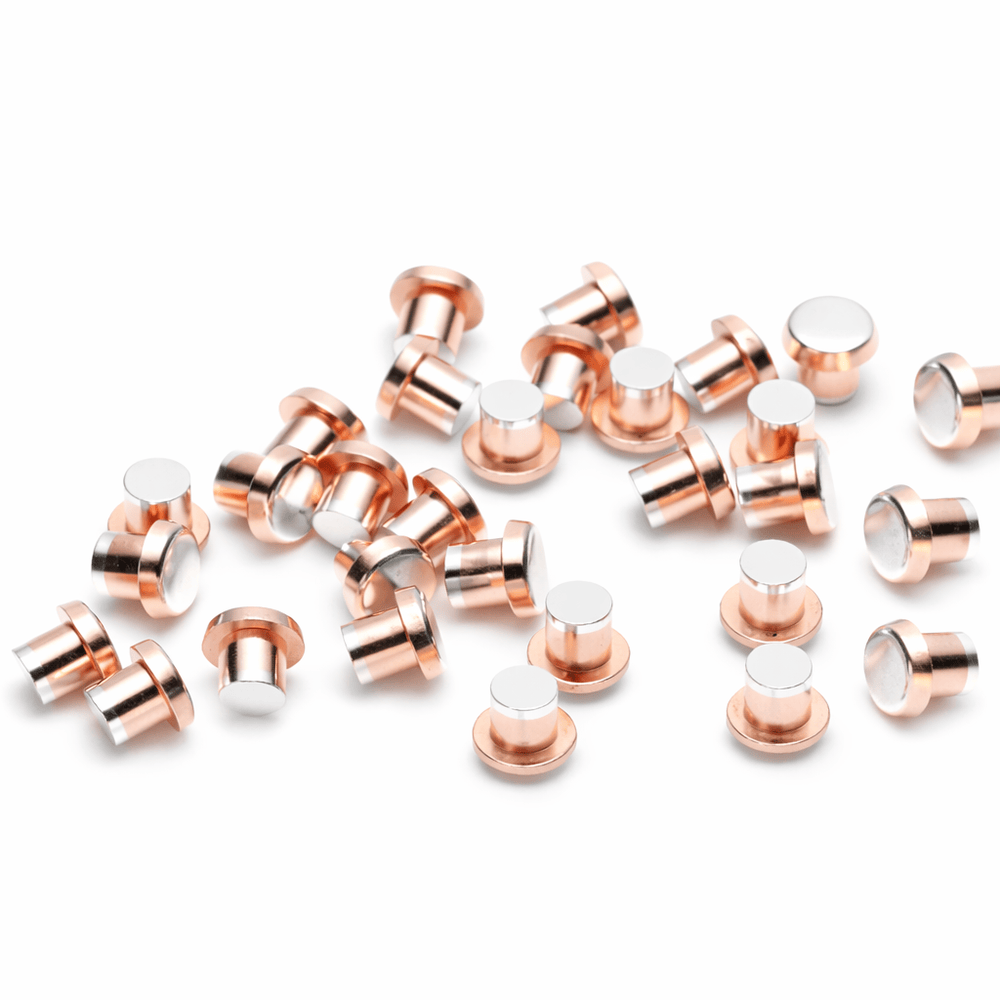
AgSnO₂ 전기 접점 소재의 구조적 특성과 AgCdO 대체 기술
은(Ag) 기반 금속산화물 접점 소재는 전기 개폐 시 발생하는 아크, 접촉 저항 변화, 열적 피로, 용착 및 마모에 지속적으로 노출되는 핵심 기능 재료입니다. 특히 저전압 스위치, 릴레이, 차단기, 접촉기와 같은 개폐 장치에서는 접점의 안정성과 내구성이 장치 수명과 직결됩니다. 오랜 기간 산업 표준으로 사용되어 온 AgCdO 접점은 우수한 내아크성과 용착 저항을 제공하였으나, 카드뮴(Cd)의 독성과 환경 규제 강화로 인해 사용 제한이 확대되면서 대체 소재 개발이 필수적인 기술 과제가 되었습니다. 이러한 흐름 속에서 AgSnO₂ 접점은 비독성 조성과 우수한 전기적·열적 특성을 동시에 확보한 환경 대응형 접점 소재로 자리 잡았습니다.
AgCdO 접점의 한계와 AgSnO₂ 대체 필요성
AgCdO 접점은 CdO 입자가 아크 에너지를 효과적으로 분산시키고 용융 금속의 이동을 억제하여 뛰어난 내아크성과 내용착 특성을 발휘합니다. 그러나 카드뮴은 인체 및 환경에 대한 유해성이 높은 중금속으로 분류되며, 전기전자 제품에 대한 환경 규제 강화로 인해 적용 범위가 점차 축소되었습니다. 특히 폐기 및 재활용 과정에서 카드뮴의 용출 문제가 부각되면서 산업계 전반에서 카드뮴 프리(Cadmium-free) 접점 소재 전환이 가속화되었습니다.
AgSnO₂ 접점은 이러한 규제 대응을 위한 대표적인 대체 소재로 평가됩니다. SnO₂는 열 안정성이 높고 화학적으로 안정한 산화물로, 고전류 아크 환경에서도 구조적 안정성을 유지합니다. 또한 CdO와 달리 독성이 없어 환경 친화적 소재로 분류되며, 전기적 신뢰성과 내구성을 동시에 확보할 수 있다는 점에서 적용 범위가 확대되었습니다. 특히 DC 회로, 램프 부하, 커패시터 부하와 같이 돌입 전류가 큰 조건에서 재료 이동이 적고 용착 발생이 낮은 특성이 강조됩니다.
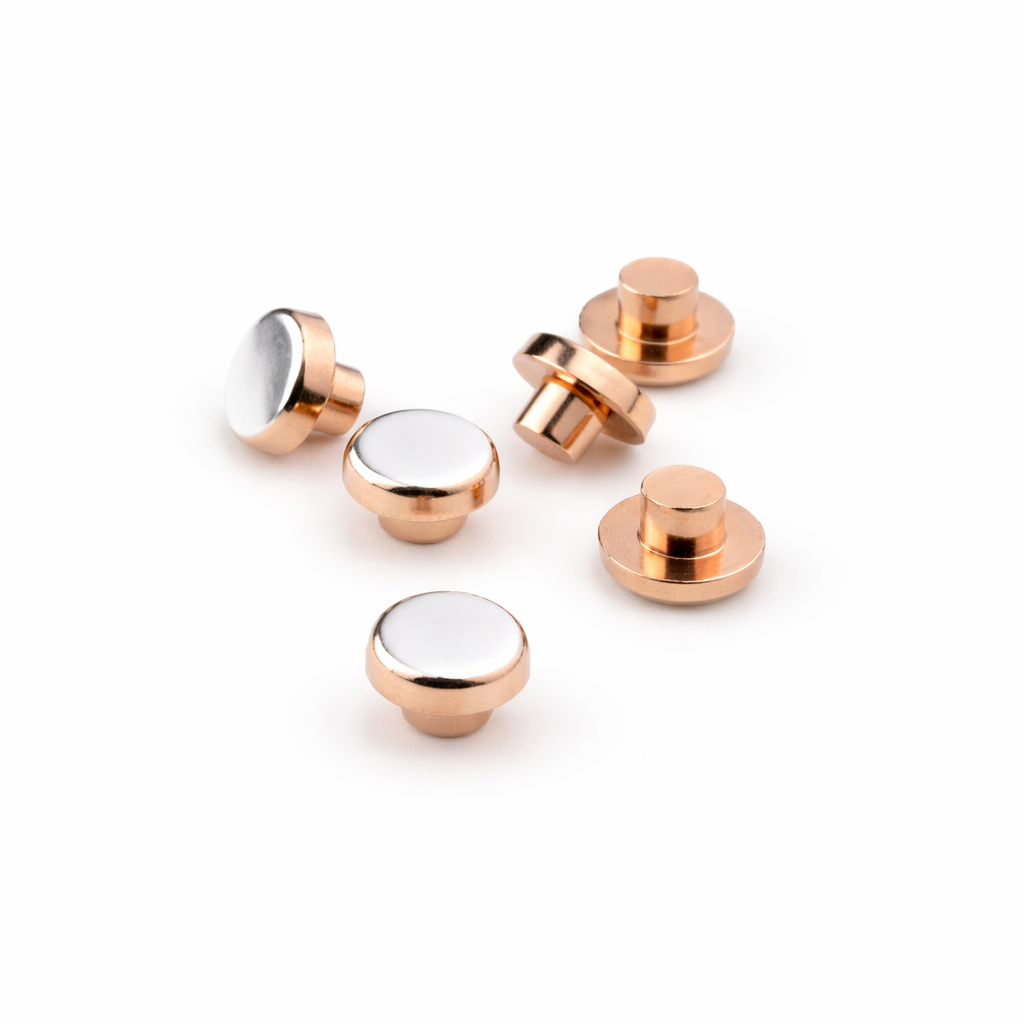
AgSnO₂ 접점의 미세조직과 성능 지배 인자
AgSnO₂ 접점의 성능은 단순 조성보다 산화물 분산 상태와 계면 구조에 의해 크게 좌우됩니다. SnO₂ 입자의 크기와 분포 균일성, Ag 매트릭스와의 계면 결합력, 기공의 존재 여부, 미세조직의 치밀도는 접촉 저항, 열 확산, 아크 침식 저항, 기계적 내구성에 직접적인 영향을 미칩니다. 특히 접점에서 발생하는 열은 국부적으로 집중되는 경향이 있기 때문에 연속적인 Ag 전도 경로 확보와 산화물의 균일 분산이 중요합니다.
SnO₂는 전기 전도성이 낮은 산화물이므로 분산 상태가 불균일할 경우 접촉 저항 상승과 국부 발열이 발생할 수 있습니다. 반대로 미세하게 분산된 SnO₂ 입자는 아크 루트의 이동을 촉진하여 아크 에너지 집중을 억제하고 용융 금속의 국부 응집을 방지합니다. 따라서 AgSnO₂ 접점 설계에서는 산화물의 미세 분산과 계면 안정성이 핵심 기술 요소로 작용합니다.
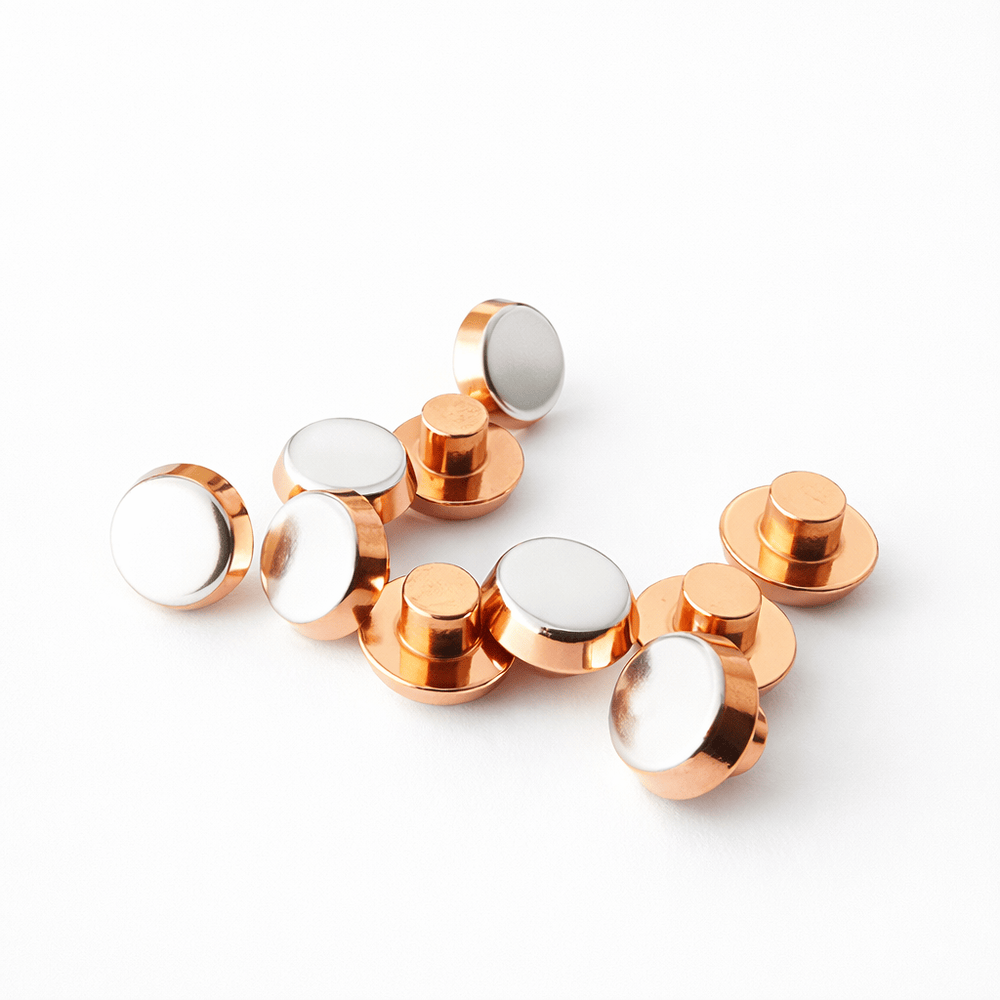
전산화법(Internal Oxidation) 기반 AgSnO₂ 접점의 특성
전산화법은 Ag-Sn 합금 내부로 산소를 확산시켜 Sn을 선택적으로 산화함으로써 Ag 매트릭스 내부에 SnO₂ 입자를 형성하는 공정입니다. 합금 내부에서 직접 산화물이 생성되기 때문에 SnO₂ 입자는 나노에서 서브마이크론 수준으로 미세하게 분산되며, Ag와의 계면 결합력이 매우 강한 특징을 가집니다. 이러한 구조는 전기적 연속성을 확보하고 열 확산 경로를 안정적으로 형성하여 접촉 저항과 온도 상승을 억제하는 효과를 나타냅니다.
전산화 AgSnO₂ 접점은 치밀한 미세조직과 연속적인 Ag 매트릭스를 기반으로 높은 내아크성과 우수한 내용착 특성을 발휘합니다. 특히 아크 침식 과정에서 SnO₂ 입자가 수지상 또는 침상 구조로 분포하는 경향이 있으며, 이는 아크 루트 이동을 촉진하여 국부적인 열 집중을 완화합니다. 또한 내부 산화에 의해 형성된 화학적 계면 결합은 반복 개폐에 따른 기계적 충격이나 열 피로 환경에서도 박리 및 균열 발생을 억제하는 역할을 수행합니다.
그러나 전산화법은 Sn 함량 증가 시 산소 확산 제한으로 인해 산화 균일성이 저하될 수 있으며, 공정 시간이 길어 생산성이 낮다는 단점이 존재합니다. 산화 후 경도가 증가하여 후가공 난이도가 상승하는 점 역시 제조 측면에서 고려되어야 할 요소입니다.
분말야금법(Powder Metallurgy) 기반 AgSnO₂ 접점의 특성
분말야금법은 Ag 분말과 SnO₂ 분말을 혼합한 후 성형과 소결을 통해 복합재를 제조하는 방식으로, 조성 설계 자유도와 대량 생산성이 높은 공정입니다. 최근에는 기계적 합금화, 열간 등압 압착, 진공 소결 등 다양한 기술이 적용되며 산화물 분산 제어와 밀도 향상이 이루어지고 있습니다. 또한 첨가제를 활용한 계면 개질과 나노 분말 적용을 통해 전기적 성능 개선이 진행되고 있습니다.
분말 AgSnO₂ 접점은 산화물 함량을 높게 설계할 수 있어 고부하 조건에서 용착 억제 효과가 뛰어나며, 다양한 복합 구조 설계가 가능하다는 장점을 가집니다. 특히 램프 부하나 모터 부하와 같이 돌입 전류가 큰 환경에서 균일 분산된 SnO₂ 입자는 아크 루트를 분산시키고 용융 금속의 국부 응집을 억제하여 접점 고착을 방지합니다. 또한 대량 생산 시 품질 균일도가 높고 제조 비용 경쟁력이 확보된다는 점에서 범용 릴레이 및 스위치 분야에서 폭넓게 적용됩니다.
반면 물리적 혼합 기반 공정 특성상 SnO₂ 입자의 응집과 Ag 계면 젖음성 부족이 발생할 수 있으며, 이로 인해 초기 접촉 저항 상승과 국부 발열 문제가 나타날 수 있습니다. 또한 미세 기공이 존재할 경우 전산화 소재 대비 내아크 성능이 낮아질 수 있어 공정 최적화와 계면 개질 기술이 중요합니다.
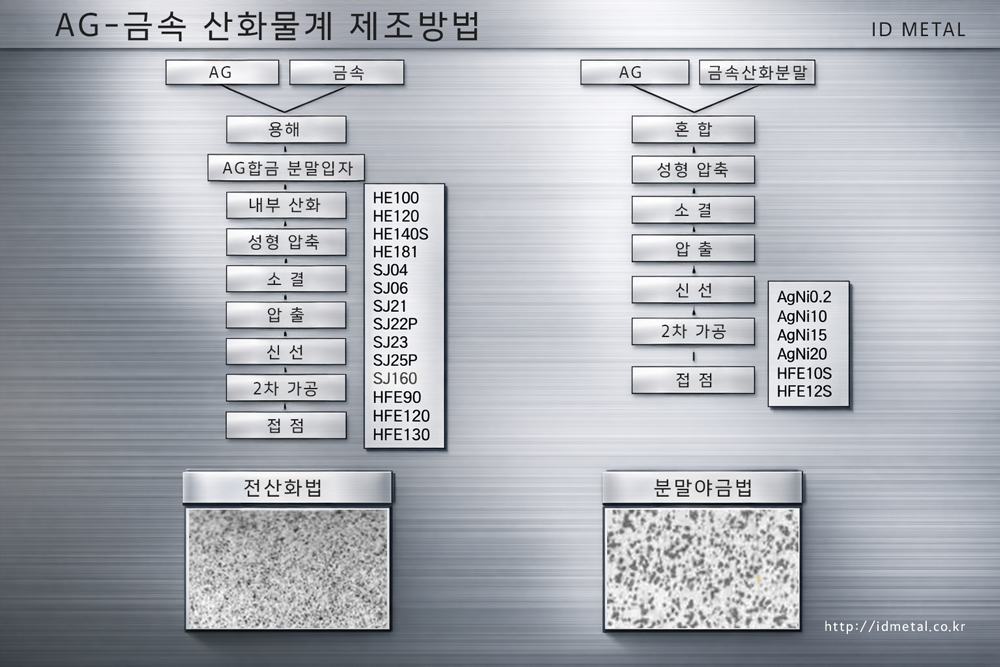
전산화 AgSnO₂와 분말 AgSnO₂의 전기적 거동 차이
전산화 AgSnO₂는 낮은 접촉 저항과 안정적인 전기 전도성을 기반으로 중간 부하 조건에서 높은 신뢰성을 제공하는 특성을 보입니다. 반복 개폐 환경에서도 접촉 저항 변동이 비교적 작고 열 확산 경로가 안정적이기 때문에 장수명 릴레이 및 스위치에 적합합니다. 또한 내부 산화 기반 계면 결합은 기계적 충격이 반복되는 환경에서 접점 박리 발생을 억제합니다.
분말 AgSnO₂는 초기 접촉 저항이 다소 높게 형성될 수 있으나 사용 과정에서 접촉면 재배열과 산화물 분산 안정화로 인해 저항이 점차 안정화되는 특성을 보입니다. 특히 고농도 산화물 설계가 가능하여 고전류 조건에서 내용착성이 우수하며, 대전류 차단 장치에서 접점 고착을 방지하는 효과가 강조됩니다. 전산화 소재에 비해 경도가 높은 경향이 있어 내마모성이 향상되는 측면도 존재합니다.
열적 특성과 온도 민감성
AgSnO₂ 접점은 Ag의 높은 열전도성과 SnO₂의 내열성이 결합된 구조로 기본적인 열적 안정성이 우수합니다. 전산화 소재의 경우 연속적인 Ag 매트릭스가 형성되어 열 확산이 원활하며 국부 발열이 억제되는 특징이 있습니다. 이에 따라 온도 상승이 제한되고 접촉 저항 안정성이 확보됩니다.
분말 소재는 계면 접촉 저항과 기공 존재로 인해 국부 발열이 발생할 가능성이 있으며, 이는 온도 민감 접점에서 열화와 저항 상승으로 이어질 수 있습니다. 이러한 문제를 개선하기 위해 Bi₂O₃, CuO, WO₃ 등의 첨가제를 활용한 계면 개질과 미세조직 치밀화 기술이 적용되고 있습니다. 첨가제는 산화물 분산 안정화와 계면 젖음성 개선을 통해 전기적 연속성을 확보하는 역할을 수행합니다.
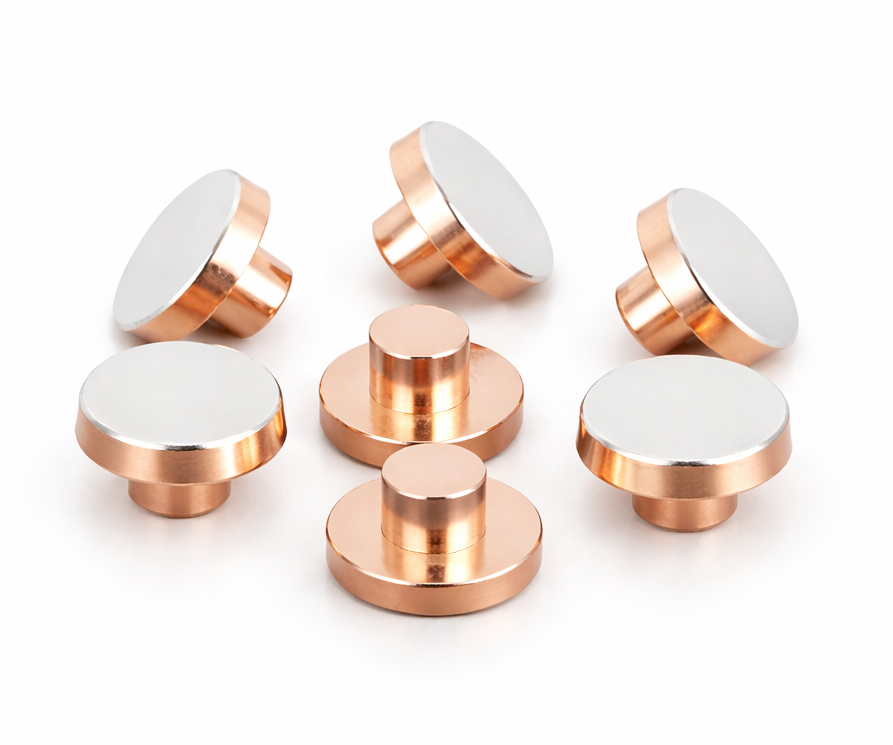
적용 분야별 공정
전산화 AgSnO₂ 접점은 낮은 접촉 저항과 우수한 계면 결합을 기반으로 자동차 릴레이, 가전 메인 스위치, 통신 릴레이와 같이 기계적 충격과 반복 개폐가 많은 환경에서 높은 신뢰성을 제공합니다. 또한 연성이 상대적으로 우수하여 복잡 형상의 단자 가공이 요구되는 제품에 적용하기에 적합합니다.
분말 AgSnO₂ 접점은 고농도 산화물 설계와 비용 경쟁력을 기반으로 산업용 접촉기, 차단기, 대전류 스위치 등 고부하 차단 장치에서 폭넓게 활용됩니다. 특히 돌입 전류가 큰 부하에서 내용착성과 내아크 특성이 요구되는 환경에서 장점을 발휘합니다.
AgSnO₂ 접점 소재
최근에는 전산화법과 분말법의 장점을 결합한 하이브리드 공정이 시도되고 있습니다. 분말로 제조된 잉곳을 후속 전산화 처리하여 산화물 분산 균일성과 계면 결합력을 동시에 확보하는 방식이나, 나노 복합 분말을 활용하여 산화물 응집을 억제하는 기술이 대표적입니다. 또한 산화물 입자의 형상 제어와 계면 반응 조절을 통해 접촉 저항 안정성과 내아크 성능을 동시에 향상시키는 연구가 진행되고 있습니다.
AgSnO₂는 단순한 AgCdO 대체 소재를 넘어 고성능 환경 대응형 접점 재료로 발전하고 있으며, 장치의 정격 전류, 예상 수명, 개폐 빈도, 접촉력, 열 환경 등을 종합적으로 고려한 소재 및 공정 선택이 요구됩니다. 접점 설계에서는 단일 성능 지표보다 전기적 신뢰성, 열적 안정성, 기계적 내구성을 균형 있게 확보하는 접근이 중요하며, 이는 곧 전기기기의 장기 안정성과 직결되는 핵심 요소로 작용합니다.
AgSnO₂ Electrical Contact Materials: Structural Characteristics and Replacement Strategy for AgCdO
Silver-based metal oxide contact materials serve as critical functional components continuously exposed to arc discharge, contact resistance fluctuation, thermal stress, welding, and wear during switching operations. In low-voltage switching devices such as relays, circuit breakers, and contactors, the performance of the contact material directly determines electrical reliability and service life. AgCdO has long been used as an industry standard due to its excellent arc resistance and anti-welding behavior. However, the toxicity of cadmium and tightening environmental regulations have driven the industry toward cadmium-free alternatives. In this context, AgSnO₂ has emerged as a representative eco-compliant contact material capable of maintaining high electrical and thermal performance.
Limitations of AgCdO and the Need for AgSnO₂ Replacement
AgCdO contacts exhibit strong arc erosion resistance because CdO particles effectively disperse arc energy and suppress molten metal transfer. Despite these advantages, cadmium is classified as a hazardous heavy metal with significant environmental and health concerns. Restrictions on cadmium usage in electrical and electronic equipment have resulted in reduced applicability and increased pressure for alternative solutions.
AgSnO₂ addresses these concerns through a non-toxic composition combined with high thermal stability. SnO₂ is chemically stable and retains structural integrity under high-current arc conditions. Compared with CdO-based systems, AgSnO₂ demonstrates lower material transfer and improved stability in DC switching environments. The material is particularly effective in applications involving capacitive or lamp loads where inrush current is significant. Additionally, the higher welding resistance of AgSnO₂ reduces the risk of contact sticking, improving operational safety and durability.
Microstructural Factors Governing AgSnO₂ Contact Performance
The performance of AgSnO₂ contacts is strongly influenced by oxide dispersion characteristics and interfacial bonding rather than composition alone. The size and distribution of SnO₂ particles, bonding strength at the Ag–oxide interface, porosity level, and microstructural uniformity collectively determine contact resistance stability, thermal diffusion behavior, arc erosion resistance, and mechanical durability.
Because SnO₂ is electrically insulating, non-uniform dispersion can lead to localized resistance increase and heat concentration. Conversely, finely dispersed oxide particles promote arc root movement and prevent localized melting, reducing erosion and material transfer. For this reason, uniform oxide dispersion and stable interfacial bonding represent the most critical design parameters in AgSnO₂ contact engineering.
Characteristics of Internal Oxidation AgSnO₂ Contacts
Internal oxidation processing forms SnO₂ particles by selectively oxidizing Sn within an Ag–Sn alloy through oxygen diffusion. Since oxide formation occurs inside the alloy matrix, SnO₂ particles are distributed at nano to submicron scale with strong metallurgical bonding to the Ag matrix. This structure ensures continuous electrical conduction paths and stable heat dissipation.
Internal oxidation AgSnO₂ contacts are characterized by dense microstructures and continuous Ag networks, resulting in excellent arc erosion resistance and anti-welding behavior. During arc exposure, SnO₂ particles often develop dendritic or needle-like morphologies that encourage arc root migration and reduce localized thermal concentration. The chemically bonded interface also enhances resistance to mechanical fatigue and delamination under repeated switching cycles.
However, internal oxidation presents limitations including reduced oxidation uniformity at higher Sn contents, long processing times, and relatively low production efficiency. Post-oxidation hardness increases may also complicate secondary forming and machining operations.
Characteristics of Powder Metallurgy AgSnO₂ Contacts
Powder metallurgy processing involves blending Ag and SnO₂ powders followed by compaction and sintering. This method offers high compositional flexibility, scalability for mass production, and compatibility with additive-based microstructural tailoring. Advances in mechanical alloying, hot pressing, and vacuum sintering have significantly improved oxide dispersion and density control.
Powder-based AgSnO₂ contacts allow higher oxide loading, which enhances anti-welding performance under high-current conditions. Uniformly dispersed SnO₂ particles effectively distribute arc roots and limit localized molten metal accumulation. This makes powder metallurgy contacts particularly suitable for applications with severe inrush currents such as motor loads and lighting systems. The method also provides cost advantages and consistent quality in large-scale manufacturing.
Despite these benefits, physical mixing processes may result in oxide agglomeration and limited wettability at the Ag interface. These factors can cause higher initial contact resistance and localized heating. Residual porosity may further reduce arc resistance compared with internally oxidized materials, highlighting the importance of microstructural densification and interface modification.
Electrical Behavior Differences Between Internal Oxidation and Powder Metallurgy AgSnO₂
Internally oxidized AgSnO₂ contacts typically exhibit lower and more stable contact resistance due to their continuous Ag matrix and strong interfacial bonding. This stability supports reliable performance in moderate load switching environments and long-life relay applications. Mechanical durability is also enhanced, minimizing the risk of delamination under repetitive mechanical stress.
Powder metallurgy AgSnO₂ contacts may show slightly higher initial resistance but tend to stabilize through surface conditioning and microstructural rearrangement during operation. The ability to incorporate higher oxide fractions provides superior anti-welding performance under high-current switching. Increased hardness can also improve wear resistance, contributing to extended service life in demanding applications.
Thermal Characteristics and Temperature Sensitivity
AgSnO₂ contacts benefit from the combination of high thermal conductivity of silver and the heat resistance of SnO₂, resulting in inherently strong thermal stability. Internally oxidized materials offer efficient heat dissipation through continuous Ag pathways, suppressing localized overheating and maintaining resistance stability.
Powder metallurgy contacts may experience localized heating due to interfacial resistance and residual porosity. To address these challenges, additives such as Bi₂O₃, CuO, and WO₃ are frequently introduced to enhance wettability, stabilize oxide dispersion, and improve electrical continuity. These modifications contribute to reduced contact resistance fluctuation and improved thermal performance.
Application-Oriented Process Selection
Internal oxidation AgSnO₂ contacts are well suited for automotive relays, household appliance switches, and communication relays where repeated mechanical stress and stable electrical performance are required. Their relatively good ductility before oxidation also supports complex terminal forming processes.
Powder metallurgy AgSnO₂ contacts are widely applied in industrial contactors, circuit breakers, and high-current switching devices. Their superior anti-welding characteristics under inrush current conditions make them advantageous for heavy-duty applications. The process flexibility and cost competitiveness further support broad market adoption.
Emerging Development Trends in AgSnO₂ Contact Technology
Recent developments focus on hybrid processing approaches that integrate the strengths of both internal oxidation and powder metallurgy. Techniques such as post-oxidation treatment of powder-based ingots and nano-composite powder utilization aim to achieve uniform oxide dispersion alongside strong interfacial bonding. Additional efforts target oxide morphology control and interface reaction engineering to simultaneously enhance arc resistance and contact resistance stability.
AgSnO₂ has evolved beyond a simple replacement for AgCdO and now represents a high-performance, environmentally compliant contact material platform. Optimal material and process selection requires consideration of rated current, switching frequency, mechanical stress, thermal environment, and expected service life. Effective contact design depends on balancing electrical reliability, thermal stability, and mechanical durability, all of which directly influence the long-term performance of switching devices.
추가 정보
요약
AgCdO는 내아크성과 내용착성 측면에서 오랫동안 표준 접점 소재로 사용되어 왔으나, 카드뮴의 유해성과 규제 이슈로 대체 전략이 중요해졌습니다. AgSnO₂ 접점 소재는 비독성 조성과 아크 침식 저항을 동시에 고려할 수 있는 선택지이며, 제조 공정(전산화·분말)에 따라 전기적 거동과 열 안정성이 달라집니다.
핵심 포인트
- 접점 성능은 조성보다 산화물 분산 상태, 계면 결합, 기공, 미세조직 균일성에 의해 크게 좌우됩니다.
- 전산화(Internal Oxidation)는 합금 내부에서 SnO₂가 형성되어 치밀한 Ag 매트릭스와 강한 계면 결합이 형성되는 경향이 있습니다.
- 분말야금(Powder Metallurgy)은 조성 설계 자유도가 높고 대량 생산성이 우수하나, 응집·기공·젖음성 이슈 관리가 중요합니다.
- AgSnO₂는 고전류 및 돌입전류 환경에서 재료 이동을 줄이고 용착을 억제하는 방향으로 설계가 진행됩니다.
- 온도 상승과 접촉저항은 열 확산 경로(연속 Ag 네트워크)와 계면 저항에 민감하게 반응합니다.
- 부하 특성(램프, 모터, 커패시터)과 개폐 빈도, 접촉력에 따라 공정 선택 기준이 달라집니다.
- 첨가제 및 공정 개선은 접촉저항 안정화와 내용착성 개선에 활용되며 과도한 첨가로 인한 전도도 저하를 함께 고려해야 합니다.
FAQ
AgCdO 접점 소재는 왜 대체가 필요한가요?
AgCdO는 성능 관점에서 장점이 있으나, 카드뮴 성분이 환경 및 인체 유해성 이슈로 규제 대상이 되는 경우가 많습니다. 적용 산업에서는 규제 대응과 제품 포트폴리오 지속성을 위해 카드뮴 프리 접점으로의 전환이 추진됩니다.
AgSnO₂ 접점은 어떤 장치에서 주로 사용되나요?
저전압 개폐기기, 릴레이, 스위치, 차단기, 접촉기 등에서 사용됩니다. 특히 돌입전류가 큰 부하 조건에서 내용착성(anti-welding) 확보가 중요할 때 적용이 확대되는 흐름입니다.
전산화(Internal Oxidation) AgSnO₂의 강점은 무엇인가요?
합금 내부 산화로 SnO₂가 형성되어 산화물 분산이 미세화되기 쉬우며, Ag 매트릭스가 연속적으로 유지되는 경향이 있습니다. 결과적으로 접촉저항과 열 확산 경로가 안정화되면서 내아크성과 내구성 측면의 이점이 논의됩니다.
분말야금(Powder Metallurgy) AgSnO₂의 장점은 무엇인가요?
조성 및 산화물 함량 조절이 용이하고 대량 생산에 적합하며, 복잡 형상 성형과 기능성 첨가제 적용이 비교적 유연합니다. 다만 산화물 응집과 기공 관리가 접촉저항 및 온도 상승에 영향을 줄 수 있어 공정 제어가 중요합니다.
AgSnO₂ 접점에서 접촉저항이 높아질 수 있는 원인은 무엇인가요?
SnO₂는 전기 전도성이 낮아 입자 응집, 불균일 분산, 계면 접촉저항 증가가 발생하면 초기 접촉저항이 상승할 수 있습니다. 또한 기공이 남아 있으면 전류 경로가 단절되거나 국부 발열이 증가해 저항 변동이 커질 수 있습니다.
고온 환경에서 AgSnO₂ 접점이 민감한 이유는 무엇인가요?
접점은 개폐 시 아크로 인해 순간적인 고온이 발생하며, 이때 열 확산 경로와 계면 안정성이 성능에 직접 영향을 줍니다. 열이 국부적으로 집중되면 표면 상태 변화와 접촉저항 상승으로 이어질 수 있어 미세조직 치밀도와 분산 균일성이 중요합니다.
내아크성과 내용착성은 어떻게 구분해서 이해해야 하나요?
내아크성은 아크에 의해 발생하는 침식(마모, 재료 손실)을 얼마나 억제하는지에 가깝고, 내용착성은 접점이 용융·접합되어 떨어지지 않는 현상을 얼마나 방지하는지에 가깝습니다. 부하 조건에 따라 두 성능의 우선순위가 달라지며, 공정 및 분산 설계로 균형을 맞추는 접근이 사용됩니다.
AgSnO₂에서 첨가제는 어떤 목적에 사용되나요?
첨가제는 산화물 분산 안정화, 계면 젖음성 개선, 접촉저항 안정화, 용착 억제 거동 조절 등에 활용됩니다. 다만 과도한 첨가로 전도도 저하나 미세조직 취약성이 발생할 수 있어 목적 중심의 조합 설계가 필요합니다.
전산화 공정과 분말 공정 선택 기준은 어떻게 잡아야 하나요?
정격 전류, 부하 형태(모터·램프·커패시터), 개폐 빈도, 접촉력, 예상 수명, 형상 가공 난이도 등을 함께 고려하는 방식이 일반적입니다. 상대적으로 안정적 저항과 치밀도를 우선하면 전산화 계열이, 조성 설계 자유도와 고함량 산화물 설계가 필요하면 분말 계열이 검토됩니다.
관련 주제 확장
아크 루트(Arc Root) 거동과 산화물 분산의 관계
개폐 시 아크는 접점 표면의 특정 지점에 집중되기 쉬우며, 이를 아크 루트의 정착으로 설명하는 경우가 많습니다. 산화물 분산이 균일할수록 아크 루트 이동이 촉진되어 국부적인 용융과 침식을 줄이는 방향으로 작동할 수 있습니다. 반대로 산화물 응집이나 기공이 존재하면 전류 경로가 불균일해지며 국부 발열이 증가할 수 있습니다. 따라서 산화물의 크기, 간격, 분포 균일성은 내아크성과 접촉저항 안정성의 공통 기반이 됩니다.
접촉저항 안정화와 열 확산 경로 설계
접촉저항은 표면 상태와 미세조직뿐 아니라 열 확산 경로의 연속성에 영향을 받습니다. 연속적인 Ag 네트워크가 형성되면 열이 빠르게 확산되어 온도 상승이 억제되는 경향이 있습니다. 계면 저항이 큰 구조에서는 국부 발열이 발생하기 쉬워 표면 산화 및 접촉 상태 변화가 가속될 수 있습니다. 공정 최적화에서는 밀도 향상, 기공 저감, 계면 개질을 통해 열-전기적 안정성을 함께 확보하는 접근이 사용됩니다.
부하 유형별 요구 특성: 모터·램프·커패시터
모터와 램프 부하는 돌입전류가 크기 때문에 용착 억제와 아크 침식 저항이 중요해집니다. 커패시터 부하는 충전 과정에서 순간 전류가 집중되며, 접점 표면의 미세 용융과 재료 이동이 누적될 수 있습니다. 따라서 부하 유형에 따라 산화물 함량, 분산 설계, 첨가제 조합, 공정(전산화·분말) 선택 기준이 달라집니다. 설계 단계에서 실제 스위칭 파형과 열 프로파일을 함께 고려하는 방식이 기술적으로 합리적입니다.
내부 링크
접점 소재 선택과 공정 설계를 더 넓은 관점에서 확인하려면 인사이트 영역에서 관련 기술 글을 함께 검토하는 방식이 유용합니다.
전기 개폐 신뢰성과 접점 소재 적용 범위를 중심으로는 전기접점 페이지의 적용 분야 정리를 참고하는 흐름이 자연스럽습니다.
접점 부품의 형상 구현 및 일체 가공 관점에서는 CNC 정밀가공부품에서 가공 공정 조건과 품질 요인을 함께 연결해 볼 수 있습니다.
기계적 결합 신뢰성이 함께 요구되는 어셈블리에서는 구조연결용 부품 관련 내용을 통해 구조 설계 관점을 확장할 수 있습니다.
대량 생산과 반복 정밀 성형 관점에서는 정밀프레스가공 부품 내용을 함께 확인하면 공정 선택의 근거를 정리하기 쉽습니다.
전기 신호 전달과 접점 주변 배선 품질까지 고려해야 한다면 케이블와이어 하네스에서 연결 신뢰성 요인을 함께 점검할 수 있습니다.
접점 소재 관점과 함께 금속 접합 기술까지 확장하려면 브레이징 및 금속접합소재 페이지의 접합 원리와 적용 범위를 참고하는 방식이 적합합니다.