
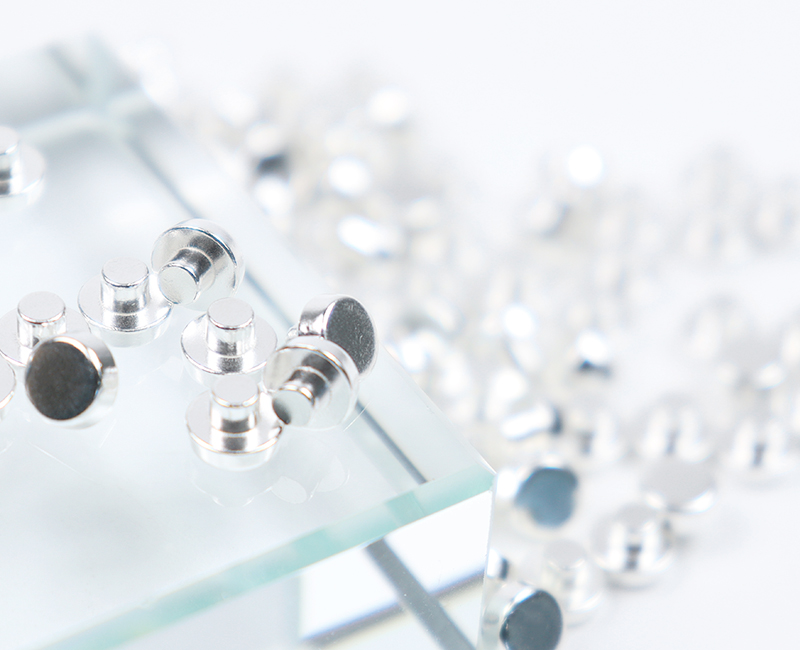
정밀 금속 가공 후 바렐 피니싱은 전기접점의 버와 표면 편차를 줄여 도금과 조립 품질을 안정시키는 공정입니다.
바렐 공정이 전기접점에서 중요한 이유
전기접점은 스위치, 릴레이, 커넥터, 컨택터에서 전류와 신호를 통전·차단하는 기능성 표면입니다. 접점 성능은 재질과 도금만으로 결정되지 않으며, 바탕면의 미세 결함, 오염 상태, 모서리 형상, 표면 거칠기 분포가 달라지면 접촉저항의 산포, 프레팅 거동, 아크 손상 양상, 도금 결함률이 크게 달라집니다.
바렐 공정(Barrel Finishing)은 다수의 소형 접점을 미디어(media)와 함께 회전 또는 진동시키면서 표면 결함과 오염을 제거하고, 모서리 형상과 표면 거칠기 분포를 목표 범위로 정규화하는 대량 정밀 표면 처리 공정입니다. 단순히 “광택을 내는 폴리싱”으로 정의하면 공정의 핵심을 놓치게 됩니다. 전기접점에서 바렐 공정은 접촉저항 안정화, 아크 손상 억제, 도금 품질 확보를 위한 신뢰성 공정으로 보는 것이 적절합니다.
접촉저항을 낮추는 것보다 산포를 줄이는 공정입니다
전기접점의 전도는 겉보기 면적 전체에서 균일하게 일어나지 않습니다. 금속 접촉은 미세 돌기(asperity)들이 만드는 국부 접촉점에서 전류가 흐르는 형태로 지배됩니다. 이때 표면에 버(burr), 날카로운 에지(edge), 깊은 가공흔, 국부 스파이크가 남아 있으면 실접촉점 분포가 불균일해집니다. 그 결과 접촉저항의 초기 산포가 커지고, 반복 동작 이후 저항 드리프트가 증가하는 방향으로 이어집니다.
바렐 공정의 실질적 가치는 접촉저항의 평균값을 낮추는 효과보다도, 로트(LOT) 간 편차와 반복 후 변화량을 줄여 품질을 재현 가능하게 만드는 데 있습니다. 생산 현장에서 불량을 어렵게 만드는 요인은 “평균 성능이 낮음”보다 “산포가 큰 상태”인 경우가 많습니다. 바렐은 표면의 극단 결함을 제거하고 표면 분포를 정돈함으로써 저항 편차를 줄일 수 있는 기반을 만듭니다.
아크 집중과 국부 과열의 기점을 줄입니다
날카로운 모서리와 버는 전계 집중을 유발하기 쉬우며, 이 전계 집중은 아크(arc) 발생 및 국부 발열을 키우는 방향으로 작용할 수 있습니다. 아크가 특정 지점에 집중되면 국부 용융과 재응고가 반복되고, 그 과정에서 용착(welding) 및 미세 용융 손상이 가속될 수 있습니다. 접점 파괴 모드의 진행 속도를 늦추려면, 아크가 “발생하지 않게” 만드는 접근뿐 아니라 “집중되기 쉬운 기점을 줄이는” 접근이 필요합니다.
바렐 공정에서 디버링과 라운딩은 외관 목적의 모서리 다듬기가 아니라, 전계·열 집중 기점을 줄이는 기능적 처리입니다. 다만 과라운딩은 접촉 형상 자체를 바꿀 수 있으므로 목표 에지 R을 명확히 두고, 에너지 레벨과 시간을 제한하는 방식으로 접근하는 것이 필요합니다.
파티클 발생원을 사전에 줄여 장기 신뢰성을 높입니다
전기접점의 장기 신뢰성에서 파티클(이물)은 반복 불량과 드리프트를 만드는 대표적 요인입니다. 버가 남아 있으면 작동 반복 중 부러져 파티클로 전환될 수 있으며, 접촉면 이물 끼임을 유발하거나 프레팅(fretting) 마모를 가속할 수 있습니다. 특히 밀폐 릴레이처럼 내부 환경이 제한되는 구조에서는 파티클의 누적이 장기 성능 저하로 이어질 가능성이 높습니다.
바렐의 중요한 가치는 세정으로 “없애는 것”에만 있지 않습니다. 애초에 “생기지 않게” 만드는 방향으로 파티클 생성원을 줄이는 데 공정 설계의 목적을 두어야 합니다. 버 제거, 극단 결함 제거, 표면 분포 정돈은 파티클의 발생 가능성을 구조적으로 낮추는 접근입니다.
도금 품질의 전제 조건을 만드는 공정입니다
전기접점 도금은 Ni 언더, Ag, Au, Pd계, Sn 등 다양한 조합으로 구성되며, 도금 품질은 바탕면 형상과 청정도에 매우 민감합니다. 에지는 과두께(Edge buildup)가 발생하기 쉬운 위치이며, 과두께는 균열 또는 박리의 기점이 될 수 있습니다. 오염막이나 깊은 가공흔, 국부 결함은 핀홀, 접착력 저하, 막의 불균일 성장으로 이어질 수 있습니다.
바렐 공정은 바탕면을 균일화함으로써 도금 결함률을 줄이는 전제 조건을 만들 수 있습니다. 이 과정은 품질만이 아니라 원가에도 직접 영향을 줍니다. 바탕면이 거칠거나 결함이 많으면 귀금속 도금에서 과도한 사용량으로 결함을 “덮는” 방향의 설계가 발생하기 쉽습니다. 반대로 바탕면이 정돈되면 도금층의 설계 두께를 기능적으로 최적화할 여지가 커지고, 비용/품질 리스크를 동시에 낮출 수 있습니다.
전기접점에 적용되는 바렐 공정 유형과 선택 기준
전기접점은 형상이 다양하고, 요구 신뢰성 수준과 도금 사양이 달라 공정 선택이 단순하지 않습니다. 바렐 장비의 종류를 나열하기보다, 각 방식이 만들어내는 에너지 전달 형태와 접촉 메커니즘을 기준으로 선택하는 것이 유리합니다.
회전 바렐을 적용할 때의 특징과 조건 창
회전 바렐(Rotary)은 대량 소형 부품에서 경제성이 높고 디버링·연마력이 강한 편입니다. 다만 충격성 접촉이 상대적으로 크기 때문에 박막, 정밀 형상, 예민한 에지 조건에서는 공정 조건 창이 좁아질 수 있습니다. 치수 감소나 과라운딩이 성능에 직접 영향을 주는 접점에서는 에너지 레벨과 시간을 보수적으로 설정하고, 충전율과 미디어 조합을 촘촘히 고정하는 접근이 필요합니다.
진동 바렐이 정밀 접점에 유리한 이유
진동 바렐(Vibratory)은 부품 간 충격이 상대적으로 적어 정밀 접점이나 복잡 형상에서 안정적인 선택이 될 수 있습니다. 표면 정규화 목적이 강할 때, 진동 방식은 조건의 재현성이 확보되기 쉽고 과공정 리스크를 관리하기 유리합니다. 다만 원하는 라운딩과 결함 제거 수준을 달성하기 위해 미디어의 종류, 컴파운드, 공정 시간을 체계적으로 설계해야 합니다.
원심 바렐의 장점과 과공정 리스크 관리
원심 바렐(Centrifugal)은 고에너지 단시간 처리가 가능하여 경면 연마나 도금 전 고품질 표면 준비에 적합합니다. 그러나 에너지가 크기 때문에 과공정 시 치수 감소, 과라운딩, 미세 찍힘이 빠르게 진행될 수 있습니다. 원심 바렐은 “짧은 시간에 원하는 표면 상태를 만드는 능력”이 장점인 만큼, 짧은 사이클 단위의 관리와 공정 종료 조건을 명확히 두는 방식으로 운영해야 합니다.
자기 바렐의 적용 영역과 오염 관리 포인트
자기 바렐(Magnetic)은 자성 핀을 활용하여 미세 홀, 틈새, 내측 코너까지 처리가 가능하므로 마이크로 접점이나 복잡 내부 형상에서 강점을 가질 수 있습니다. 다만 핀 잔류, 이종금속 오염, 회수 과정에서의 혼입 리스크를 관리해야 합니다. 접점은 표면 오염에 매우 민감하므로, 공정 후 회수·세정·검사 체계를 설계 단계에서 함께 고정하는 것이 필요합니다.
바렐 공정 후 기대되는 전기적·기계적 이점의 실제 의미
바렐 공정을 도입할 때 “효과”를 광택과 같은 외관 기준으로 정의하면, 공정이 과도해지거나 품질 지표와 분리되는 문제가 발생하기 쉽습니다. 전기접점에서 기대해야 하는 효과는 다음의 형태로 정리하는 것이 합리적입니다.
접촉저항의 평균보다 산포가 줄어드는 효과가 큽니다
표면 분포가 정돈되면 초기 저항이 낮아질 수 있으나, 더 중요한 변화는 로트 간 편차와 반복 후 변화량이 줄어드는 방향입니다. 이는 검사 합격률을 올리는 차원을 넘어, 시스템 수준에서의 성능 변동성, 현장 불량, 보증 리스크를 낮추는 결과로 연결됩니다. 접점 설계에서 목표는 “최저 저항”이 아니라 “지속 가능한 저항 분포”로 설정되어야 합니다.
프레팅 마모와 이물 끼임 리스크가 낮아집니다
파티클 생성원 제거와 표면 정규화는 미세진동 환경에서 저항 변동과 마모를 완화하는 방향으로 작동합니다. 프레팅은 단순 마모가 아니라 산화막 형성, 파티클 생성, 재접촉의 반복으로 저항 변동을 키우는 복합 현상입니다. 바렐은 이 복합 현상의 시작점이 되는 표면 결함과 버를 줄이고, 잔류물을 관리함으로써 장기 변동성을 낮추는 쪽으로 기여할 수 있습니다.
도금 결함률이 낮아지고 도금층의 접착·내마모가 안정화됩니다
균일한 바탕면은 핀홀, 박리, 에지 결함을 줄이는 데 유리합니다. 특히 귀금속 도금은 비용이 크기 때문에 결함률이 낮아지는 효과가 품질과 원가 모두에서 의미가 큽니다. 도금 공정 자체의 최적화만으로 해결되지 않는 문제들이 바탕면 상태에서 비롯되는 경우가 많으므로, 바렐을 도금 전처리로 보고 연계 관리하는 방식이 필요합니다.
조립성과 공정성이 개선됩니다
버 제거는 삽입 불량, 스크래치, 도금층 손상 같은 조립 불량을 줄이는 효과로 이어질 수 있습니다. 또한 세정이 강화되면 후공정 불량률이 낮아질 수 있습니다. 다만 이 효과는 “세정 강도”만으로 얻어지지 않으며, 잔류막, 금속 미분, 건조 스팟 같은 보이지 않는 변수를 함께 관리해야 안정적으로 나타납니다.
접점용 바렐 공정 설계에서 반드시 관리해야 하는 핵심 포인트
바렐은 강력한 공정이지만, 동시에 과공정 위험도 명확합니다. 과공정 시 접촉 형상 변화, 치수 손실, 미세 찍힘, 금속 미분 잔류, 컴파운드 잔류막이 발생할 수 있으며 이는 성능과 결함률을 악화시킬 수 있습니다. 따라서 공정 설계에서는 외관 광택을 합격 기준으로 두기보다 기능 지표와 직결되는 관리 항목을 표준화해야 합니다.
에지 R 목표치를 정의하고 과라운딩을 방지해야 합니다
에지 라운딩은 아크 기점과 결함 기점을 줄이는 데 유리하지만, 과도하면 접촉 형상이 바뀌어 접촉 메커니즘 자체가 달라질 수 있습니다. 목표 에지 R을 설정하고, 미디어 조합과 에너지 레벨, 시간으로 이를 달성하도록 설계해야 합니다. 목표값이 없는 상태에서 “더 매끈하게”를 추구하면, 치수 손실과 과라운딩이 누적되는 방향으로 흐르기 쉽습니다.
평균 거칠기만 보지 말고 분포와 극단 결함을 함께 봐야 합니다
접점 성능은 평균 거칠기(Ra)만으로 설명되지 않는 경우가 많습니다. 평균은 낮아졌는데도 특정 스파이크 결함이 남아 있으면 실접촉점 분포가 불안정해질 수 있습니다. 공정 전에는 불규칙 요철과 방향성 가공흔이 남아 있을 수 있으며, 공정 후에는 정규화가 진행되고 극단값이 줄어드는 방향이 목표가 되어야 합니다. 방향성, 극단 결함, 잔존 흠집의 존재 여부를 함께 관리하는 체계를 갖추는 것이 필요합니다.
충전율, 부품/미디어 비율, 시간, 에너지 레벨을 고정해야 합니다
바렐 공정은 조건이 조금만 흔들려도 결과가 변합니다. 특히 충전율과 부품/미디어 비율, 처리 시간, 회전·진동 에너지 레벨은 결과에 직접적인 영향을 줍니다. 이 항목들은 작업자 감각에 맡기면 산포가 커질 수밖에 없으므로, 배치 구성과 조건을 표준화하고 편차가 생기면 즉시 원인 추적이 가능하도록 기록 체계를 갖추어야 합니다.
세정·수세·건조는 별도의 검증 항목으로 설계되어야 합니다
바렐 이후 표면이 정돈되어도, 잔류막이나 금속 미분이 남으면 접촉저항 안정성이나 도금 접착에 악영향을 줄 수 있습니다. 컴파운드 잔류막은 통전 시 탄화와 저항 불안정의 기점이 될 수 있고, 금속 미분 잔류는 접촉면 오염과 마모를 유발할 수 있습니다. 건조 스팟은 얼룩으로 보이는 수준을 넘어 표면 상태 불균일을 만들 수 있으므로, 세정·수세·건조는 “부수 작업”이 아니라 공정의 일부로서 검증되어야 합니다.
접촉저항 분포와 도금 결함률을 공정 조건과 연계해야 합니다
바렐의 성과를 외관으로 판정하면 공정이 흔들립니다. 바렐 공정의 합격 기준은 접촉저항의 초기 분포와 사이클 후 변화량, 도금 결함률, 에지 두께 편차, 접착력 등의 기능 지표로 연결되어야 합니다. 공정 조건을 바꾸면 이 지표가 어떻게 움직이는지 상관관계를 축적하고, 그 상관관계를 표준 조건으로 고정하는 방식이 장기적으로 강합니다.
바렐 전후 상태를 텍스트로 정리한 관리 관점의 변화
바렐 적용 전에는 1.5~3.2 μm 수준의 불규칙 요철과 방향성 가공흔이 남아 있을 수 있으며, 이 상태에서는 실접촉점 분포가 불안정해 접촉저항 산포와 드리프트가 커지기 쉽습니다. 바렐 적용 후에는 0.1~0.4 μm 수준으로 표면이 정규화되고 극단값이 감소하는 방향이 목표가 됩니다. 이때 중요한 것은 “평균값”이 아니라 스파이크 결함, 방향성, 국부 흠집이 얼마나 줄어들었는지입니다.
모서리/버 측면에서는, 공정 전에는 미세 버가 잔존하고 날카로운 에지가 남아 전계·열 집중의 기점이 될 수 있습니다. 공정 후에는 균일 라운딩과 버 제거가 이루어져 아크 손상과 용착 리스크를 낮추는 방향이 됩니다. 다만 목표 에지 R 없이 진행하면 과라운딩으로 접촉 형상 변화가 생길 수 있으므로, 목표치 설정과 에너지 레벨 제한이 필요합니다.
오염 측면에서는, 공정 전에는 프레스유·절삭유·산화막·잔류 유기물의 가능성이 존재하며 통전 시 탄화, 저항 불안정, 도금 박리의 기점이 될 수 있습니다. 공정 후에는 세정·탈지로 청정 표면 확보가 목표가 되지만, 컴파운드 잔류막, 금속 미분 잔류, 건조 스팟이 남지 않도록 별도 점검 항목으로 관리해야 합니다.
표면층의 치밀도와 가공경화 관점에서는, 공정 전에는 표면 결함 기점이 많고 국부 변형이 불균일할 수 있으며, 공정 후에는 국부 소성변형에 의해 표면이 정돈되고 치밀화되는 효과가 나타날 수 있습니다. 다만 에너지가 과하면 미세 찍힘과 손상이 증가할 수 있으므로 에너지 레벨을 제한하는 운용이 필요합니다.
도금 전처리 적합성 관점에서는, 공정 전에는 에지 과도 도금, 핀홀, 접착력 편차 리스크가 존재하고, 공정 후에는 균일 조도와 청정도로 도금 결함률이 낮아지는 방향을 기대할 수 있습니다. 이때 도금과 연계하여 에지 두께 편차, 접착력, 결함률을 함께 관리하면 귀금속 도금의 품질과 원가 안정성을 동시에 개선할 수 있습니다.
파티클/이물 관점에서는, 공정 전에는 버 파손 및 마모분 생성 가능성이 있고 조립 중 이물 전이가 발생할 수 있습니다. 공정 후에는 파티클 생성원이 감소하고 세정으로 잔류물이 저감되는 방향이 되며, 간헐 불량과 장기 성능 저하 요인을 사전에 줄일 수 있습니다. 이를 위해 배치 충전율, 미디어 마모 상태, 수세·건조, 회수 공정을 표준화해야 합니다.
전기접점 바렐 공정은 표면 미관이 아니라 신뢰성 설계 요소입니다
전기접점은 동일 재질, 동일 도금 조건에서도 바탕면의 미세 결함과 오염 상태, 모서리 형상, 표면 분포가 달라지면 성능 산포와 파괴 모드가 크게 달라질 수 있습니다. 바렐 공정은 이 변동성을 제조 현장에서 통제 가능한 범위로 묶어주며, 대량 생산 조건에서 품질의 재현성을 확보하는 핵심 공정으로 기능합니다.
접점용 바렐을 설계할 때는 광택을 목표로 두기보다, 목적을 디버링, 정규화, 버니싱, 세정으로 분해하고, 도금 및 신뢰성 시험과 직결되는 관리 항목을 공정 조건과 함께 표준화하는 방식이 가장 강합니다. 접촉저항의 초기 분포와 사이클 후 변화량, 에지 R, 잔류막과 금속 미분, 도금 결함률, 파티클 리스크를 공정 변수와 함께 묶어 관리하면, 외관 중심의 합격 판단보다 훨씬 안정적인 품질 경쟁력을 만들 수 있습니다.

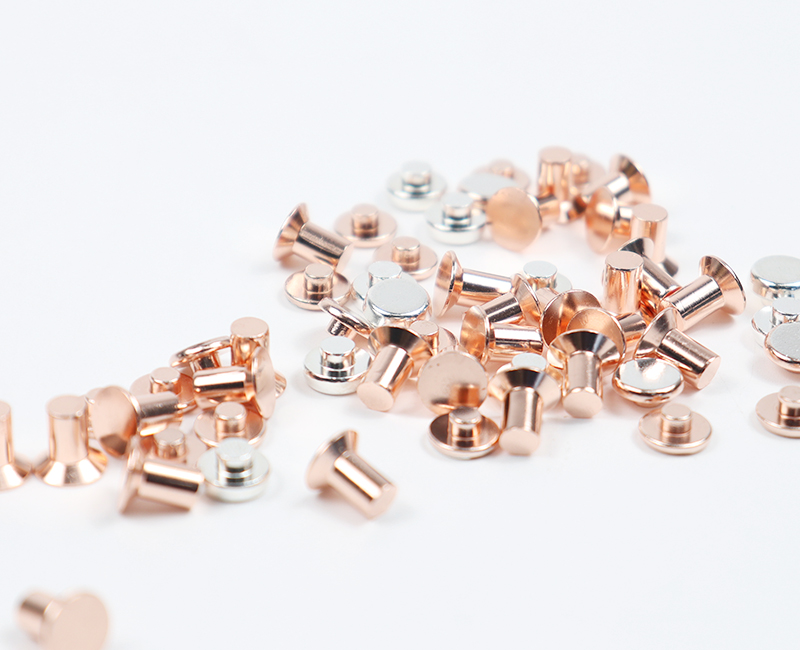
Why Barrel Finishing Matters for Electrical Contact Reliability
Electrical contacts are functional surfaces that conduct and interrupt current or signals in switches, relays, connectors, and contactors. Contact performance is not determined only by base material and plating. Small differences in substrate defects, surface contamination, edge geometry, and the statistical distribution of surface roughness can significantly change contact-resistance dispersion, fretting behavior, arc damage patterns, and plating defect rates.
Barrel finishing is a high-throughput precision surface treatment in which many small contacts are tumbled or vibrated together with media. The process removes surface defects and contaminants, and normalizes edge geometry and surface roughness distribution into a target window. Defining it as a simple “polishing for shine” misses the point. In electrical contacts, barrel finishing is more appropriately treated as a reliability process for stabilizing contact resistance, suppressing arc-driven damage, and enabling robust plating quality.
It Is a Process That Reduces Variability More Than It Lowers the Average Contact Resistance
Electrical conduction across a contact interface does not occur uniformly over the apparent area. Metal-to-metal conduction is dominated by localized micro-contact spots formed by asperities. If burrs, sharp edges, deep machining marks, or local spikes remain on the surface, the real-contact distribution becomes uneven. This increases the initial spread in contact resistance and tends to amplify resistance drift after repeated operations.
The practical value of barrel finishing is often less about lowering the average contact resistance and more about reducing lot-to-lot variation and the magnitude of change after cycling so that quality becomes repeatable. In manufacturing, the more difficult problem is frequently “wide dispersion” rather than “low average performance.” By removing extreme defects and organizing the surface distribution, barrel finishing establishes the foundation for tightening resistance variation.
It Reduces Initiation Sites for Arc Concentration and Local Overheating
Sharp corners and burrs can promote electric-field concentration, which can increase the likelihood of arc initiation and intensify localized heating. When arcing concentrates at specific points, repeated local melting and resolidification can occur, accelerating welding and micro-melting damage. Slowing down contact failure modes requires not only reducing the probability of arcing, but also reducing the number of sites where arcing is prone to concentrate.
In this context, deburring and edge rounding in barrel finishing are not cosmetic operations. They are functional treatments that reduce electric and thermal concentration sites. Over-rounding, however, can alter the contact geometry itself, so it is important to define a clear edge-radius target and control the energy level and processing time accordingly.
It Prevents Particle Generation at the Source and Improves Long-Term Reliability
Particles are a major driver of intermittent failures and long-term drift in electrical contacts. If burrs remain, they can fracture during repeated actuation and turn into debris. This debris can become trapped at the interface, accelerate fretting wear, or accumulate inside sealed devices such as hermetic relays, where contaminants cannot easily escape.
The key value of barrel finishing is not only “removing what is already there” through cleaning, but also “preventing it from forming in the first place” by eliminating particle generation sources. Deburring, removing extreme defects, and normalizing the surface distribution collectively reduce the structural likelihood of particle formation.
It Establishes Prerequisites for High-Quality Plating
Electrical contact plating often involves combinations such as a nickel underlayer with silver, gold, palladium-based alloys, or tin. Plating quality is highly sensitive to substrate geometry and cleanliness. Edges are prone to thickness buildup, and excessive edge thickness can become a crack or delamination origin. Contamination films, deep machining marks, and local defects can lead to pinholes, poor adhesion, and non-uniform growth.
By equalizing the substrate surface, barrel finishing can create the conditions needed to reduce plating defect rates. This is not only a quality issue but also a cost issue. When the substrate is rough or defect-prone, precious-metal plating may be increased as a way to “cover” problems. When the substrate is well normalized, there is more room to optimize plating thickness for function, reducing both cost risk and quality risk.
Barrel Finishing Types and Practical Selection Criteria for Electrical Contacts
Electrical contacts vary widely in geometry, required reliability level, and plating specification, so process selection is not trivial. Instead of choosing by name alone, selection is more effective when based on how each method delivers energy and how it drives contact mechanics between parts and media.
Rotary Barrel Characteristics and the Process Window
Rotary barrel finishing is economically attractive for high-volume small parts and provides strong deburring and abrasive capability. Because impact-type contact can be relatively high, the process window may be narrower for thin coatings, precision geometries, or edge-sensitive designs. For contacts where dimensional loss or over-rounding directly affects performance, a conservative approach to energy and time is needed, along with tight standardization of fill ratio and media combinations.
Why Vibratory Finishing Is Often Favorable for Precision Contacts
Vibratory finishing tends to produce less part-to-part impact, which can be advantageous for precision contacts and complex geometries. When the main objective is surface normalization, vibratory methods can be more stable and easier to manage against over-processing. However, achieving a specific rounding level and defect removal outcome still requires systematic design of media type, compound chemistry, and processing time.
Centrifugal Finishing Advantages and Over-Processing Risk Control
Centrifugal finishing enables high-energy, short-cycle processing, making it suitable for high-quality surface preparation before plating or for near-mirror finishing requirements. Because the energy is high, dimensional loss, over-rounding, and micro-denting can progress rapidly if the process is pushed too far. Effective operation relies on short-cycle control and clear end-point criteria rather than extended run times.
Magnetic Finishing Application Range and Contamination Control
Magnetic finishing uses magnetic pins and can reach micro-holes, narrow gaps, and internal corners, which is advantageous for micro-contacts or difficult internal geometries. It requires careful control of risks such as pin retention, dissimilar-metal contamination, and inclusion during recovery. Because contacts are highly sensitive to surface contamination, a post-process recovery, cleaning, and inspection system should be fixed from the process design stage.
What “Benefits” After Barrel Finishing Mean in Real Contact Performance
If the effects of barrel finishing are defined only by appearance such as shine, the process tends to drift toward over-processing and becomes disconnected from performance metrics. For electrical contacts, expected benefits are best described in functional terms.
Reduced Dispersion Often Matters More Than Lower Average Resistance
Surface normalization can reduce initial resistance, but the more meaningful change is typically a reduction in lot-to-lot variation and a smaller change after cycling. This goes beyond improving pass rates and can reduce system-level performance variability, field failures, and warranty risk. The design target in contact systems should be a sustainable resistance distribution, not merely the lowest possible resistance.
Lower Fretting Wear and Lower Risk of Debris Entrapment
Reducing particle sources and normalizing the surface can help reduce resistance fluctuation and wear under micro-vibration conditions. Fretting is not only mechanical wear. It also involves oxide formation, debris generation, and repeated re-contact that amplify resistance variation. Barrel finishing can reduce the initial triggers of this mechanism by minimizing burrs and defects, and by controlling residual contamination.
Lower Plating Defect Rates and More Stable Adhesion and Wear Performance
A uniform substrate helps reduce pinholes, delamination, and edge-related defects. In precious-metal plating, defect reduction has a meaningful impact on both quality and cost. Many issues cannot be solved by plating optimization alone when the underlying cause is substrate condition, so barrel finishing should be managed as a plating pre-treatment process with linked quality indicators.
Improved Assembly Robustness and Processability
Deburring can reduce insertion defects, scratches, and plating damage during assembly. Stronger cleaning can reduce downstream defect rates. These gains are not achieved by “more cleaning” alone. They require explicit control of less visible variables such as residual films, metallic fines, and drying spots.
Key Control Items That Must Be Standardized in Barrel Finishing for Contacts
Barrel finishing is powerful, but over-processing risk is clear. Excessive processing can change contact geometry, reduce dimensions, create micro-dents, leave metallic fines, or leave residual compound films, which can worsen performance and defect rates. Process design should therefore standardize control items that directly link to functional indicators rather than using surface gloss as the acceptance standard.
Define an Edge-Radius Target and Prevent Over-Rounding
Edge rounding can reduce arc initiation and defect initiation sites, but excessive rounding can change contact geometry and alter the contact mechanism. A specific edge-radius target should be defined, and media selection, energy level, and time should be designed to reach it. Without a target, a vague pursuit of “smoother” surfaces can accumulate dimensional loss and over-rounding.
Control Distribution and Extreme Defects, Not Only Average Roughness
Contact performance often cannot be explained by average roughness (Ra) alone. Even if Ra improves, remaining spike-type defects can destabilize real-contact distribution. Before finishing, irregular asperities and directional machining marks may remain. After finishing, the target is normalization and reduction of extremes. Directionality, extreme defects, and localized scratches should be included in the control plan.
Lock Fill Ratio, Part-to-Media Ratio, Time, and Energy Level
Small changes in conditions can change outcomes. Fill ratio, part-to-media ratio, processing time, and rotational or vibratory energy level are direct drivers of results. If these are left to operator judgment, dispersion will expand. Batch composition and parameters should be standardized, recorded, and traceable so deviations can be linked to causes quickly.
Treat Cleaning, Rinsing, and Drying as Independent Verification Items
Even when surfaces are normalized, residual films or metallic fines can degrade resistance stability and plating adhesion. Residual compound films can become origins for carbonization and resistance instability during current flow. Metallic fines can contaminate interfaces and accelerate wear. Drying spots can create non-uniform surface conditions. Cleaning, rinsing, and drying should be treated as part of the process with explicit verification, not as auxiliary steps.
Link Contact-Resistance Distribution and Plating Defect Rate to Process Parameters
If results are judged by appearance alone, the process will drift. Acceptance criteria should connect to functional indicators such as initial contact-resistance distribution, change after cycling, plating defect rate, edge-thickness variation, and adhesion. Building correlations between parameter changes and these indicators, then fixing standard conditions based on those correlations, produces stronger long-term control.
Text Summary of Condition Changes Before and After Barrel Finishing
Before barrel finishing, irregular asperities and directional machining marks may remain at a roughness level around 1.5 to 3.2 μm, which can destabilize real-contact distribution and increase resistance dispersion and drift. After finishing, a target outcome is surface normalization around 0.1 to 0.4 μm with reduced extremes. The important point is not only the average value, but how spike defects, directionality, and localized scars are reduced.
For edges and burrs, the pre-finish state can include micro-burrs and sharp edges that act as electric and thermal concentration sites. After finishing, uniform rounding and burr removal reduce arc damage and welding risk. Without an edge-radius target, however, over-rounding can change contact geometry, so targets and energy limits are necessary.
For contamination, the pre-finish state can include press oils, cutting fluids, oxides, and organic residues that can become origins for carbonization, resistance instability, or plating delamination. After finishing, cleaning and degreasing aim to secure a clean surface, but residual compound films, metallic fines, and drying spots must be checked separately.
For surface densification and work hardening, the pre-finish surface can have more defect initiation sites and uneven local deformation. After finishing, local plastic deformation can help organize and densify the surface and may slow early damage progression under wear and fretting conditions. Excessive energy can increase micro-denting and damage, so energy level limits are necessary.
For plating readiness, the pre-finish state can carry risks such as edge over-plating, pinholes, and adhesion variation. After finishing, uniform roughness and cleanliness can reduce plating defect rates. When managed together with plating metrics such as edge-thickness variation, adhesion, and defect rate, both quality stability and cost stability in precious-metal plating can improve.
For particle and debris risk, the pre-finish state can allow burr fracture and wear debris formation and contamination transfer during assembly. After finishing, particle generation sources are reduced and residual contamination can be lowered through cleaning. This reduces drivers of intermittent defects and long-term degradation. To sustain that effect, batch fill ratio, media wear condition, rinsing and drying, and recovery processes should be standardized.
Barrel Finishing for Electrical Contacts Is a Reliability Design Element, Not a Cosmetic Step
Even with the same base material and plating, changes in substrate defects, contamination, edge geometry, and surface distribution can significantly change performance dispersion and failure modes. Barrel finishing binds these variables into a controllable window in production and functions as a core process for ensuring repeatable quality in high-volume manufacturing.
A stronger approach is to set objectives as deburring, normalization, burnishing, and cleaning rather than chasing shine, and to standardize control items linked directly to plating and reliability testing. Managing initial resistance distribution and post-cycle change together with edge radius, residual films and metallic fines, plating defect rate, and particle risk creates more robust competitiveness than appearance-based acceptance criteria.
추가 정보
전기접점 신뢰성을 결정하는 바렐 공정은 접점 표면의 버, 에지, 오염, 극단 결함을 제거하고 거칠기 분포와 모서리 형상을 목표 범위로 정규화하여 접촉저항 산포와 드리프트, 아크 손상 기점, 도금 결함률을 제조 현장에서 통제 가능한 수준으로 묶는 공정입니다. 핵심은 접촉저항의 평균값을 낮추는 것보다 변동성을 줄여 품질 재현성을 확보하는 데 있습니다.
핵심 포인트 체크리스트
- 실접촉점(asperity) 분포를 안정화해 접촉저항 산포와 반복 후 드리프트를 낮춥니다.
- 디버링과 에지 라운딩으로 전계 집중을 완화해 아크 집중 및 국부 과열 기점을 줄입니다.
- 버 파손 기반 파티클 생성원을 줄여 프레팅(fretting) 마모와 이물 끼임 리스크를 낮춥니다.
- 도금 전처리 조건(조도·청정도)을 균일화해 핀홀, 박리, 에지 과두께 결함을 줄입니다.
- 목표 에지 R을 정의하고 과라운딩으로 인한 접촉 형상 변화를 방지합니다.
- Ra 평균뿐 아니라 분포, 방향성, 스파이크 결함 같은 극단값을 함께 관리합니다.
- 충전율, 부품/미디어 비율, 시간, 에너지 레벨을 고정해 로트 간 조건 편차를 억제합니다.
- 세정·수세·건조에서 잔류막, 금속 미분, 건조 스팟을 별도 항목으로 검증합니다.
FAQ
- 전기접점 바렐 공정은 단순 폴리싱과 무엇이 다른가요?
- 바렐 공정은 외관 광택이 목적이 아니라 표면 결함과 오염을 제거하고 거칠기 분포와 모서리 형상을 정규화하여 접촉저항 안정화와 도금 품질을 확보하는 신뢰성 공정입니다. 접점에서 중요한 것은 미관보다 변동성 통제입니다.
- 접촉저항은 왜 “값”보다 “산포”가 더 중요하나요?
- 전도는 겉보기 면적이 아니라 미세 돌기들의 국부 접촉점에서 지배됩니다. 표면 결함이 남으면 실접촉점 분포가 흔들려 초기 산포가 커지고 반복 후 드리프트가 증가하기 쉽습니다. 산포가 줄면 로트 간 재현성과 현장 안정성이 높아집니다.
- 버와 날카로운 에지가 아크 손상을 키우는 이유는 무엇인가요?
- 날카로운 모서리는 전계 집중을 유발해 아크가 특정 지점에 집중되기 쉬운 조건을 만들 수 있습니다. 집중된 아크는 국부 용융과 재응고를 반복시켜 용착과 미세 용융 손상을 가속할 수 있습니다. 디버링과 라운딩은 이러한 기점을 줄이는 기능적 처리입니다.
- 프레팅 환경에서 바렐 공정의 효과는 무엇인가요?
- 프레팅은 산화막 형성, 파티클 생성, 재접촉이 반복되며 저항 변동을 키우는 현상입니다. 바렐 공정은 버와 극단 결함 같은 시작점을 줄이고 잔류 오염을 관리하여 저항 변동과 마모 리스크를 완화하는 방향으로 작동합니다.
- 도금 결함과 바렐 공정은 어떻게 연결되나요?
- 도금은 바탕면 형상과 청정도에 민감하며, 에지는 과두께가 생기기 쉽고 오염막은 핀홀과 접착력 저하를 유발할 수 있습니다. 바렐 공정으로 바탕면을 균일화하면 결함률이 낮아지고 도금 두께를 기능적으로 최적화할 여지가 커집니다.
- 회전 바렐과 진동 바렐은 어떤 기준으로 선택하나요?
- 회전 바렐은 대량 소형 부품에 경제적이고 디버링·연마력이 강하지만 충격성 접촉이 커 정밀 형상에서는 조건 창이 좁을 수 있습니다. 진동 바렐은 충격이 상대적으로 적어 정밀 접점과 복잡 형상에서 안정적이며 표면 정규화 목적에 유리합니다.
- 원심 바렐은 어떤 경우에 적합하고 무엇을 주의해야 하나요?
- 원심 바렐은 고에너지 단시간 처리로 고품질 표면 준비에 유리하지만 과공정 시 치수 감소, 과라운딩, 미세 찍힘이 빠르게 진행될 수 있습니다. 짧은 사이클 단위로 관리하고 종료 조건을 명확히 두는 방식이 필요합니다.
- 자기 바렐 적용 시 가장 중요한 관리 항목은 무엇인가요?
- 자기 바렐은 미세 홀과 내측 코너까지 처리가 가능하지만 핀 잔류와 이종금속 오염, 회수 과정 혼입 리스크가 있습니다. 접점은 오염에 민감하므로 회수·세정·검사 체계를 공정 설계 단계에서 표준화해야 합니다.
- 바렐 과공정이 실제 성능에 미치는 대표적 영향은 무엇인가요?
- 과공정은 접촉 형상 변화, 치수 손실, 미세 찍힘, 금속 미분 잔류, 컴파운드 잔류막 같은 역효과를 만들 수 있습니다. 외관 광택을 기준으로 공정을 늘리기보다 에지 R, 저항 분포, 잔류물, 결함률 같은 기능 지표로 관리해야 합니다.
- 바렐 공정의 합격 기준은 무엇으로 잡는 것이 합리적인가요?
- 외관 중심 합격 기준은 공정이 흔들리기 쉽습니다. 초기 접촉저항 분포와 사이클 후 변화량, 도금 결함률, 에지 두께 편차, 접착력, 잔류막과 파티클 지표를 공정 변수와 연계해 표준화하는 방식이 장기적으로 안정적입니다.
관련 주제 확장
실접촉점 분포와 저항 드리프트 관리
접점 성능은 평균 거칠기만으로 설명되기 어렵고, 스파이크 결함과 방향성 가공흔이 실접촉점 분포를 흔들 수 있습니다. 바렐 공정의 목표는 Ra를 단순히 낮추는 것이 아니라 분포를 정규화하고 극단 결함을 줄여 초기 산포와 반복 후 드리프트를 함께 줄이는 데 있습니다.
에지 형상과 아크 집중 기점의 관계
에지는 전계 집중과 열 집중이 일어나기 쉬운 영역이며, 과두께 도금이나 박리 기점으로도 작동할 수 있습니다. 목표 에지 R을 기반으로 라운딩 수준을 고정하고, 과라운딩으로 접촉 형상 변화가 생기지 않도록 에너지 레벨과 시간을 제한하는 운용이 필요합니다.
세정·수세·건조의 잔류물 리스크
컴파운드 잔류막은 통전 시 탄화와 저항 불안정의 원인이 될 수 있고, 금속 미분 잔류는 접촉면 오염과 마모를 유발할 수 있습니다. 건조 스팟은 표면 상태 불균일을 만들 수 있으므로, 세정·수세·건조는 부수 작업이 아니라 검증 항목으로 설계되어야 합니다.
도금 전처리로서의 바렐과 비용 안정성
바탕면이 불균일하면 귀금속 도금에서 결함을 덮기 위해 두께를 늘리는 방향의 운영이 발생하기 쉽습니다. 반대로 바탕면이 정돈되면 결함률이 낮아지고 도금 두께를 기능적으로 최적화할 여지가 커져 품질과 원가 리스크를 동시에 낮출 수 있습니다.
관련 키워드
이 섹션은 본문 흐름을 방해하지 않도록 접혀 있으나, 바렐 공정의 신뢰성 관점 핵심 키워드와 실무 질문(FAQ)을 구조화해 제공합니다.
추가 정보
전기접점 바렐 공정 신뢰성은 단순한 가공명보다 넓은 제조 기준으로 봐야 합니다. 전기접점 신뢰성을 좌우하는 바렐 피니싱 공정 설계에서는 소재 특성, 공정 조건, 치수 안정성, 표면 품질, 조립 환경이 함께 맞아야 실제 부품 신뢰성이 확보됩니다.
ID METAL의 제조 기술 콘텐츠는 한 가지 장비나 공정만 분리해서 설명하기보다, 도면 요구사항과 소재 선택, 가공 순서, 후처리, 검사 기준이 어떻게 연결되는지를 중심으로 다룹니다. 작은 공차 차이나 표면 상태도 전기접점, 판금, CNC 부품에서는 기능 품질로 이어질 수 있습니다.
전기접점 바렐 공정 신뢰성 검토 기준
- 소재 규격과 실제 사용 환경을 함께 확인합니다.
- 치수 공차, 위치도, 평탄도, 표면 거칠기 같은 도면 요구를 공정 기준으로 연결합니다.
- 가공 후 버, 변형, 잔류응력, 표면 오염이 기능면에 남지 않도록 관리합니다.
- 후처리와 세척, 포장 조건까지 품질 흐름에 포함합니다.
- 반복 생산에서는 초품 기준과 양산 중 측정 기준을 분리해 관리합니다.
- 전기적 기능이 있는 부품은 접촉저항, 체결 압력, 표면막, 사용 온도까지 함께 봅니다.
제조 현장에서 함께 보는 요소
CNC 가공은 치수 정밀도만으로 끝나지 않습니다. 기준면을 어디로 잡는지, 클램핑 과정에서 변형이 생기지 않는지, 공구 마모가 표면에 어떤 흔적을 남기는지까지 봐야 합니다. 판금과 NCT 가공에서는 타공 배열, 절곡 순서, 도금이나 도장 후 치수 변화까지 연결해서 봅니다.
전기접점이나 전장 부품은 소재와 표면 상태가 더욱 민감합니다. 접촉저항이 안정적으로 유지되는지, 반복 개폐나 진동 조건에서 체결 상태가 흔들리지 않는지, 후처리 과정이 전기적 특성에 영향을 주지 않는지 확인해야 합니다.